How The Vale Teaches Us to Trust Our Other Senses

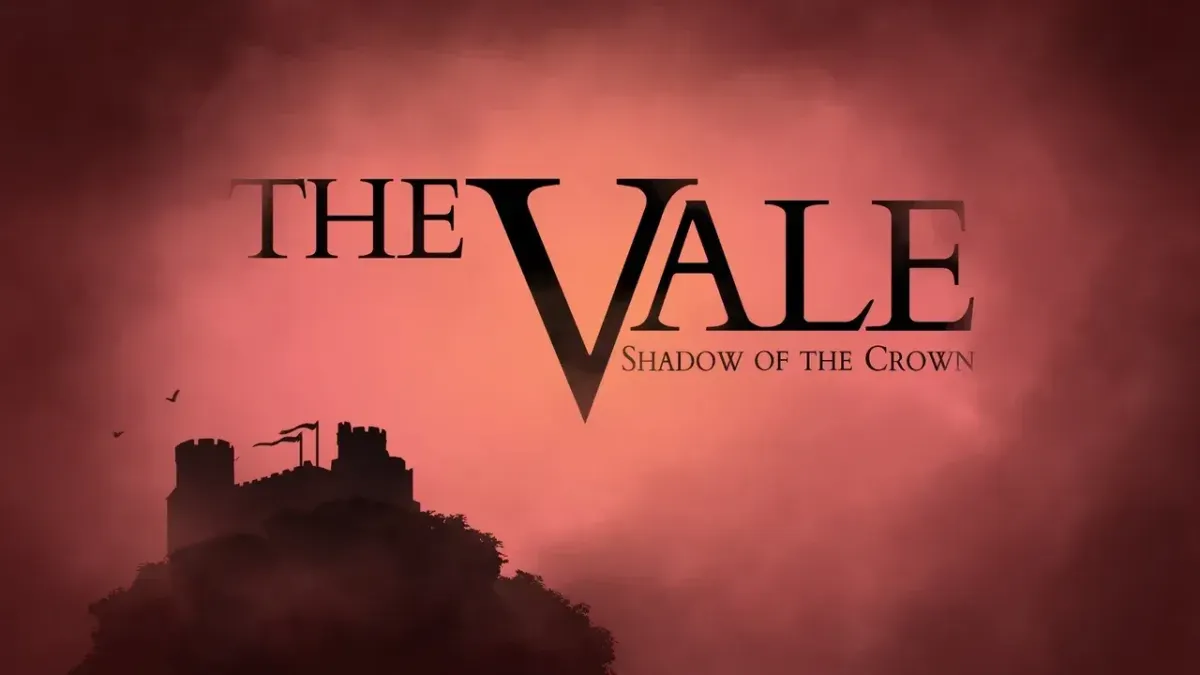
A Game That Refuses to Show You Anything
Most video games ask players to take in more. More visual detail, more icons, more motion competing for attention. Progress often depends on how quickly you can scan, prioritize, and react. For many people, especially those already managing sensory overload in daily life, this constant demand feels less like play and more like endurance.
The Vale: Shadow of the Crown takes a radically different approach. When the game begins, the screen goes dark. There is almost nothing left to look at. You play as a blind princess navigating the world entirely through sound. Footsteps change with distance and direction. Enemies announce themselves through breath, movement, and timing. Space is understood through echoes and environmental cues rather than visuals.
This isn't a novelty or accessibility add on. It is the core mechanic.
The Vale was built this way from the start. Falling Squirrel developed it in partnership with the Canadian National Institute for the Blind, tested it with blind and low-vision players through production, and cast visually impaired actors to voice it. The studio took spatial audio tools first made for virtual reality and used them to construct full 3D soundscapes, so position, distance, and direction all live in what you hear. Menus, health, inventory, and story text are narrated aloud. Navigation runs on sonar-style pings that grow louder as you close on a target. A blind player can boot the game, learn its systems, fight, explore, and reach the ending with no sighted help at all. The darkness carries the whole experience because the game was designed for the players who live in it.
From a therapeutic perspective, it opens a door to understanding how presence, overwhelm, and trust actually work.
Overwhelm Is Usually a Mismatch, Not a Flaw
In therapy, people often describe overwhelm as a personal failing. They talk about being too sensitive, too slow, or incapable of handling what others seem to manage easily. Over time, this belief hardens into identity.
But overwhelm is rarely about weakness. Much more often, it's about mismatch. We're being asked to process more input than our brains can reasonably organize, and we respond the only way we know how.
Modern environments are saturated with visual noise. Screens demand constant scanning. Attention is pulled in multiple directions at once. Many games mirror this intensity, assuming stimulation equals engagement. The Vale challenges that assumption by removing the most dominant sensory channel entirely.
What Happens When Vision Steps Aside
When vision is no longer in charge, the brain reallocates attention. Sound becomes directional. Timing matters more than speed. Instead of reacting impulsively, players must orient first.
Combat in The Vale is a good example of this shift. Players often describe it as intense yet surprisingly regulating. That combination feels strange until you consider what the nervous system is being asked to do. There is less to track, fewer competing signals, and more space to stay present in the body.
By narrowing sensory input, the game reduces cognitive load. This mirrors many effective grounding practices in therapy. Regulation doesn't come from forcing calm, but from creating conditions where the nervous system can organize itself without being overwhelmed.
Learning to Trust Without Visual Proof
As players move through the world of The Vale, they are repeatedly asked to trust what they sense without confirmation. You hear an enemy approach, orient your body, and act based on timing rather than certainty.
Notice what the princess does not do. When you steer her into a wall or a crate while you are still learning the audio, she doesn't scold herself or narrate the moment as failure. The contact registers, and she keeps moving. Bumping a wall tells you where the wall is. Collision is information, part of building a map through sound and touch. The game never frames it as clumsiness. That neutrality does clinical work, because so many clients treat every fumble as evidence of something wrong in them. She meets the wall, learns from it, and goes on.
For many people, this is incredibly unfamiliar. Trauma survivors, neurodivergent individuals, trans clients, and people of color often carry a long history of having their perceptions questioned or dismissed.
The game offers a counter narrative. It reinforces that perception can be reliable, that skill develops through attention, and that competence doesn't require perfect information. Trust grows not through certainty, but through repeated experiences of getting it right often enough.
Why Less Information Can Feel Safer
There is a strong cultural belief that more information leads to more control. For many though, the opposite is true. Too much input creates hypervigilance, paralysis, or shutdown.
By intentionally limiting sensory information, The Vale creates containment. The world feels navigable rather than chaotic. The rules are consistent. Feedback is immediate. Safety comes from attunement, not constant scanning.
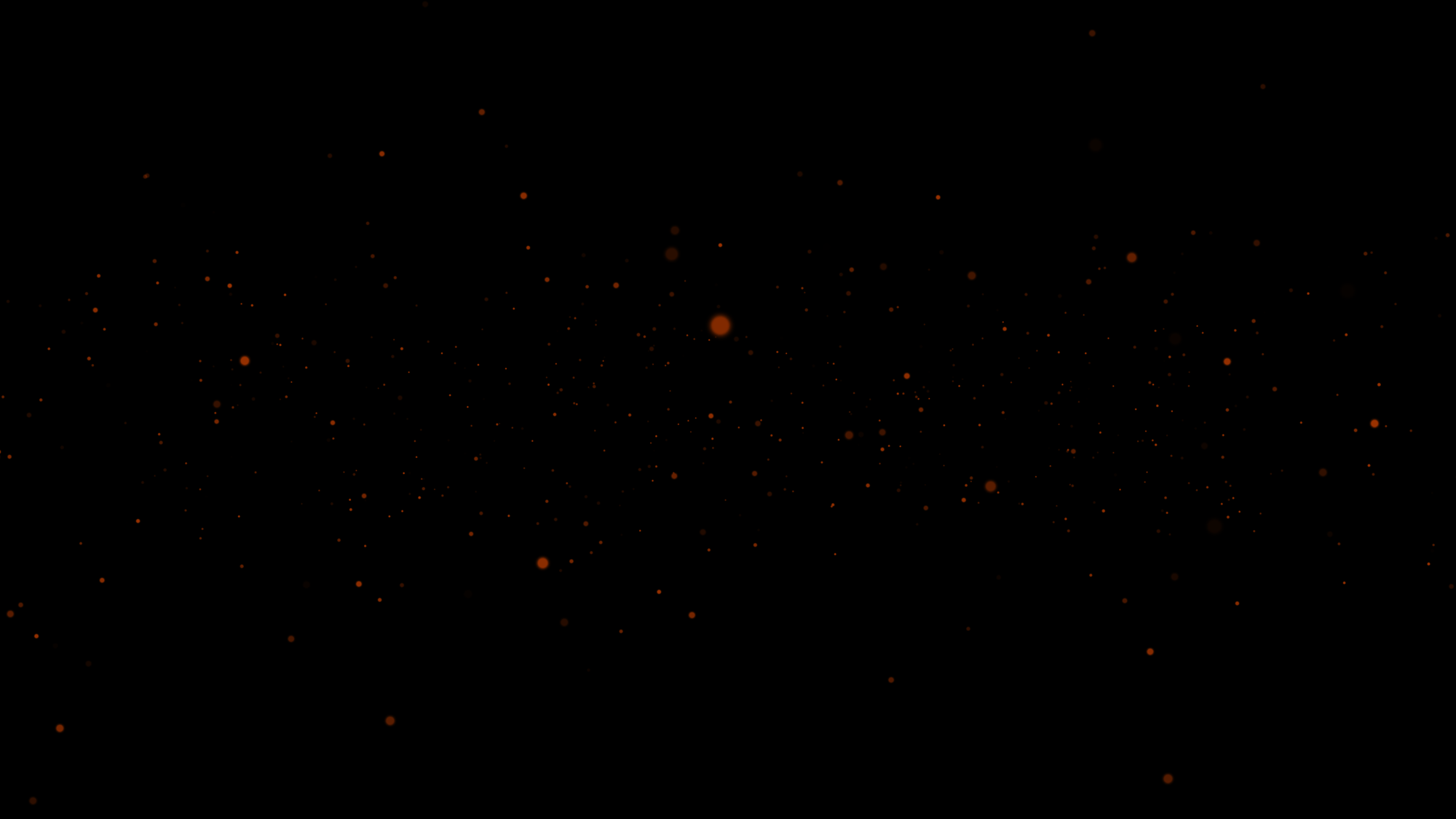
The game keeps one thin visual thread. Small colored particles drift across the black, the only light in all that dark. They never form a map or a warning. In my playthrough, they scattered into many fine points when nothing stood close, then thinned and swelled larger as I neared the edge of a room or the face of a wall. The shift gave a sense of enclosure, a soft visual echo of what the audio already told me. Even this stays quiet. It never sharpens into detail you could scan or lean on.
For players who struggle with anxiety, this is especially meaningful. Anxiety feeds on endless possibility and imagined threat. In The Vale, attention keeps returning to the present moment. What do you hear right now? Where is it coming from? What response fits this moment?
Each return to the present interrupts the spiral.
A Reframe Worth Taking Beyond the Game
One of the most valuable lessons The Vale offers is a reframing of overwhelm itself. If you feel overwhelmed, the problem may not be you. It may be the environment asking too much, too quickly, and through the wrong channels.
Strength is not always built through endurance. Sometimes it's built through subtraction. Fewer inputs. Slower pacing. Clearer signals.
The Vale doesn't empower players by flooding them with challenge. It empowers them by teaching them how to listen. In the absence of sight, another kind of presence emerges.
It's important to note who this game was made for first. Falling Squirrel built The Vale with blind players and for blind players. For them, moving through the world by sound is ordinary skill. They are the audience the darkness was designed to serve, and the rest of us get to learn from a world that was never built to leave them out.
When the screen goes dark, many players discover that nothing essential is missing. Something essential has finally been given room to surface.