Avatar: Frontiers of Pandora - Therapist's Companion Guide

Why Avatar: Frontiers of Pandora?
In the bioluminescent forests of Pandora, a different kind of healing story unfolds. Avatar: Frontiers of Pandora does not follow a chosen hero destined for greatness. Instead, it traces the journey of a Sarentu—one of a group of Na'vi children taken from their families as infants, raised in a sterile RDA facility called the TAP (The Ambassador Program), and conditioned to serve human colonial interests. When the facility falls, these young Na'vi must learn to become themselves again: to reconnect with a world they were taught to distrust, to rebuild relationships with clans who remember their lost lineage, and to inhabit bodies they were never taught to understand.
For therapists, this premise offers extraordinary clinical richness. The Sarentu's journey mirrors the real experiences of clients navigating identity reconstruction after institutional harm, cultural disconnection, or early relational trauma. The game does not shy away from the complexity of this work. It acknowledges that reconnection is not a single triumphant moment but a slow, sometimes painful process of learning what was taken and choosing what to reclaim.
At its heart, Frontiers of Pandora is about embodiment. The player inhabits a Na'vi body—nine feet tall, blue-skinned, with a neural queue that allows direct connection to Pandora's living network. This is not metaphor. The game constantly asks players to attend to their body: to feel the wind, to sense the health of plants, to recognize when exhaustion or injury limits capacity. For clients who have learned to dissociate from somatic experience, this embodied gameplay can serve as a gentle reintroduction to body awareness.
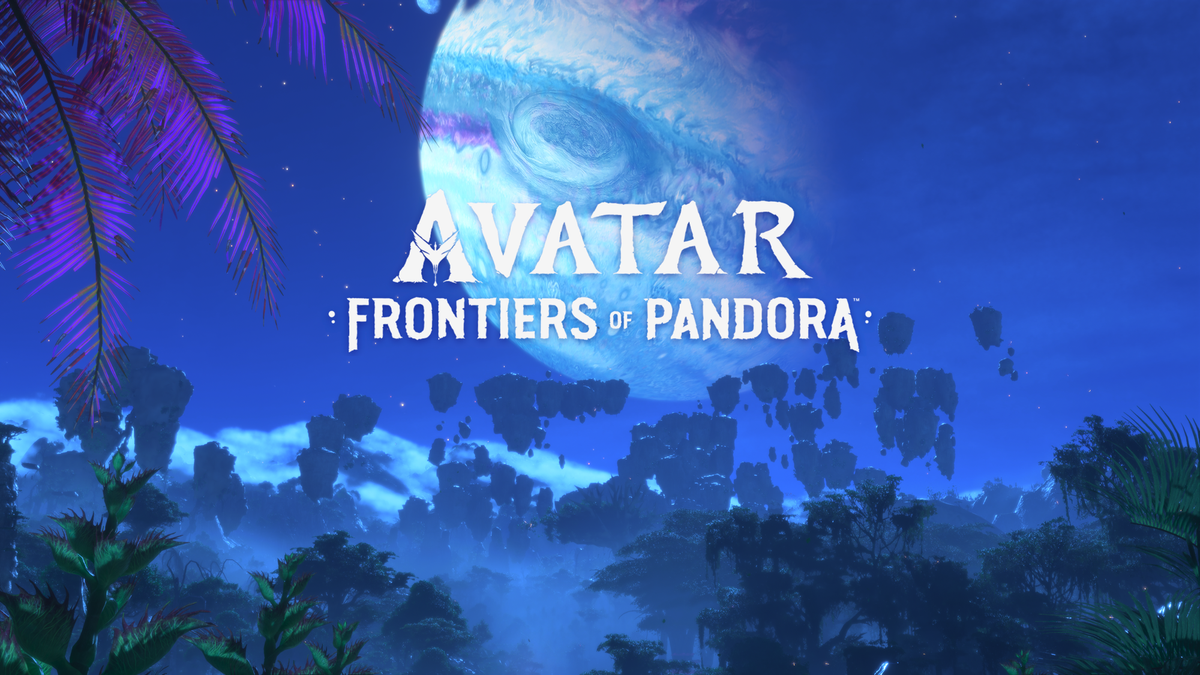
The world itself becomes a co-regulator. Pandora is designed to soothe. Its forests hum with life. Bioluminescent flora respond to presence. Creatures call across valleys. The gathering system—hunting, foraging, crafting—creates rhythmic, grounding loops that mirror regulation practices in trauma-informed care. Players learn that attending to the world with curiosity and patience yields better results than rushing or forcing. The land teaches presence.
Beyond individual healing, Frontiers of Pandora explores collective trauma and ecological grief. The RDA's extraction operations scar the land visibly. Toxic zones spread. Sacred sites fall silent. The player witnesses environmental destruction that echoes real-world climate anxiety, yet the game also models resistance, restoration, and hope. Clearing a toxic zone and watching life return offers a visceral experience of repair that can validate the grief many clients carry about our own wounded world.
The game's trust-building system deserves particular attention. Each clan—the Aranahe, Zeswa, and Kame'tire—requires the Sarentu to prove themselves through action, not words. Trust is earned slowly, through demonstrated respect, completed tasks, and cultural learning. This mirrors the therapeutic alliance itself: trust built through consistency, attunement, and genuine care rather than promises or credentials.
Perhaps most powerfully, Frontiers of Pandora validates the experience of not knowing who you are. The Sarentu begins disconnected from clan, culture, and even their own body's capabilities. They must learn everything—how to hunt, how to pray, how to bond with an ikran. This learning curve is not presented as shameful but as necessary and even beautiful. For clients rebuilding identity after trauma, this framing offers profound validation: starting over is not failure. It is survival becoming growth.
Part I: Game Foundations
Section 1. Introduction to Frontiers of Pandora
Avatar: Frontiers of Pandora, developed by Massive Entertainment and published by Ubisoft in 2023, is a first-person action-adventure game set in the universe of James Cameron's Avatar films. Unlike the film's protagonist Jake Sully, who transfers his consciousness into a Na'vi body, the player character is a native Na'vi—a member of the lost Sarentu clan who was abducted as an infant and raised in captivity by the human Resources Development Administration (RDA).
The game takes place on a previously unexplored region of Pandora called the Western Frontier, encompassing three distinct biomes: the Kinglor Forest (dense, humid rainforest), the Upper Plains (open grasslands and floating mountains), and the Clouded Forest (misty, vertical terrain with ancient trees). Each region is home to a different Na'vi clan, and each clan carries its own cultural practices, values, and relationship to the land.
The Sarentu Story
The Sarentu were a clan known for their role as storytellers and cultural bridges between Na'vi peoples. When the RDA identified their potential value, they targeted Sarentu children for the TAP—a program designed to raise Na'vi in human environments, teaching them human language, values, and loyalty while suppressing their Na'vi identity. The player character and their fellow survivors spent their formative years in this facility, cut off from Pandora's living world.
When the TAP facility is destroyed during a Na'vi resistance operation, the surviving Sarentu escape into a world they do not know how to navigate. They must learn to hunt, gather, and survive. More importantly, they must learn who they are—reconnecting with Na'vi spirituality, culture, and community after a lifetime of systematic disconnection.
Core Gameplay Loop
Frontiers of Pandora weaves together several interconnected systems that create its therapeutic richness. The core loop alternates between exploration, gathering, crafting, combat, and story progression, with each element reinforcing themes of connection, presence, and growth.
- Exploration: Traversing Pandora's three biomes on foot, by direhorn mount, or by ikran (flying creature). The world rewards curiosity with discoveries, resources, and lore.
- Gathering: Hunting animals and harvesting plants using a sophisticated system that rewards ethical, attentive practice. Quality depends on technique, timing, and respect.
- Crafting: Creating weapons, gear, and consumables from gathered materials. Higher-quality ingredients yield better results, encouraging mindful gathering.
- Combat: Fighting RDA forces using Na'vi weapons (bows, spears, slings) and liberated human technology. Combat emphasizes mobility, positioning, and environmental awareness.
- Story Progression: Completing quests that advance the main narrative, build clan trust, and reveal the Sarentu's history and the Western Frontier's secrets.
The Na'vi Senses
A distinctive feature of the game is its "Na'vi senses" system. By activating this mode, players perceive the world differently—seeing the energy signatures of plants and animals, tracking scent trails, and sensing the health of living things. This mechanic externalizes attunement and presence, making mindfulness a visible, practical skill.
The senses system also highlights Pandora's interconnected ecosystem. Players can see how plants, animals, and the environment exist in relationship. This visibility reinforces the Na'vi worldview—that all life is connected through Eywa, the guiding force of Pandora—and provides a framework for discussing ecological thinking and relational models in therapy.
Why Frontiers of Pandora in Therapy
Frontiers of Pandora offers therapeutic potential across multiple domains. Its core premise validates the experience of identity disruption while modeling the slow, nonlinear process of reconnection. Its gameplay mechanics teach presence, patience, and somatic awareness. Its world provides both beauty and grief, allowing clients to process complex emotions about nature, loss, and hope.
- Identity Reconstruction: The Sarentu's journey mirrors clients rebuilding sense of self after institutional harm, cultural disconnection, or early trauma.
- Embodiment Practice: First-person Na'vi gameplay emphasizes body awareness, physical sensation, and inhabiting one's form.
- Ecological Connection: The living world of Pandora models interconnection, providing language for relational and systems thinking.
- Regulation Through Gathering: Hunting and foraging create rhythmic, grounding loops that teach presence and patience.
- Trust-Building: Clan relationships model how trust is earned through consistent action over time.
- Environmental Processing: Witnessing and reversing ecological destruction provides space for climate grief and restoration hope.
Even therapists unfamiliar with gaming can use Frontiers of Pandora as a structured metaphor for reconnection, presence, and healing. The game's systems turn abstract therapeutic concepts—attunement, regulation, trust, identity—into visible, interactive experiences.
Section 2. The Sarentu and Na'vi Systems
The TAP and Institutional Trauma
The Ambassador Program (TAP) represents a specific form of institutional harm: the systematic erasure of cultural identity in service of colonial goals. The Sarentu children were not simply held captive—they were actively taught to distrust their own nature. Human language replaced Na'vi. Clinical environments replaced forest. The neural queue—the physical connection to Pandora's network—was never activated. These children grew up disconnected from everything that would have made them Na'vi.
For therapy, the TAP provides a clear metaphor for institutional trauma, forced assimilation, and identity suppression. Clients who experienced similar dynamics—whether through residential schools, foster systems, conversion programs, or controlling families—may find the Sarentu's story validates their own experience. The game does not minimize this harm. It names it clearly and shows that recovery requires both grief and active rebuilding.
Embodiment and the Na'vi Body
The player experiences Pandora through a Na'vi body that is fundamentally different from a human one. Nine feet tall, with enhanced senses, a prehensile tail, and the neural queue (tsaheylu) that allows direct connection to other living beings. This body can run tirelessly, leap great distances, climb with agility, and perceive the world in ways humans cannot.
The game constantly draws attention to this embodiment. Environmental cues emphasize scale—human structures feel cramped, while Na'vi spaces accommodate the larger body. Movement feels different: more fluid, more powerful. The first-person perspective means players see their blue hands reaching for plants, their feet on unfamiliar ground. This embodied perspective can serve as practice for clients learning to inhabit their own bodies more fully.
The Tsaheylu Bond
The neural bond (tsaheylu) is central to Na'vi life. Through the queue at the end of their braid, Na'vi can connect directly to other creatures, sharing sensations, intentions, and sometimes memories. The most significant bond is with an ikran—a flying creature that becomes a lifelong partner. This bond is mutual, permanent, and intimate.
For the Sarentu, learning to bond represents reclaiming a birthright that was denied. The ikran taming sequence is a pivotal moment: the player must find an ikran that chooses them, survive the bonding attempt, and establish mutual trust. This mirrors attachment work in therapy—the vulnerability of reaching out, the fear of rejection, the transformative power of genuine connection.
Clan Systems and Belonging
The three clans of the Western Frontier each offer different models of community and different pathways to belonging:
- The Aranahe: Forest dwellers who value harmony, cooking, and nurturing life. They represent the healing potential of care and community.
- The Zeswa: Plains hunters who value skill, endurance, and direct action. They represent the power of capability and self-reliance.
- The Kame'tire: Mountain mystics who value wisdom, patience, and spiritual connection. They represent the depth of contemplative practice.
Each clan begins wary of the Sarentu. They remember when these children were taken. Some blame the Sarentu for surviving when others did not. Trust must be earned through demonstrated respect, completed tasks, and cultural learning. This slow process of acceptance mirrors real-world experiences of joining communities after displacement or stigma.
Skill Progression and Learning
Unlike many games where characters begin competent, the Sarentu starts genuinely unskilled. They must learn basic Na'vi practices that clan-born children would know from infancy. This learning curve is not presented as shameful—characters in the game treat the Sarentu with patience, teaching them traditions that were stolen from them.
Skills develop through practice and ancestral memories. The game uses collectible "Tarsyu Saplings" that unlock memories of Sarentu ancestors demonstrating traditional techniques. These sequences frame skill acquisition as reclaiming heritage rather than learning something new—the knowledge was always there, waiting to be remembered.
Therapist Note
The Sarentu systems provide frameworks for multiple therapeutic applications:
By attending to how clients engage with these systems—what feels validating, what triggers resistance, what opens curiosity—therapists can gain insight into the client's relationship with identity, belonging, and the possibility of reconnection.
Section 3. Quests and Narrative Structure
The Architecture of Reconnection
Frontiers of Pandora structures its narrative around the Sarentu's gradual return to Na'vi life. Unlike revenge-driven plots or chosen-one narratives, the story centers on reconnection: with culture, with community, with the land, and with self. Each quest layer supports this theme, creating a cohesive therapeutic arc from displacement to belonging.
1. Main Quests: The Journey Home
What they are: The main questline traces the Sarentu's path from escaped captive to recognized member of Na'vi society. Key milestones include first contact with each clan, earning the right to bond with an ikran, confronting the RDA's ongoing destruction, and ultimately claiming a place in Na'vi culture.
Therapeutic Insight: Main quests represent the overarching work of identity reconstruction. They mirror what clients must navigate when rebuilding after significant disruption: establishing safety, building relationships, reclaiming cultural connection, and integrating a coherent sense of self. The nonlinear availability of many quests reflects how healing is not a straight path.
Guiding question: What does "coming home" mean for you—and what milestones would mark that journey?
2. Clan Quests: Earning Trust
What they are: Each clan offers a series of quests that build relationship over time. Early quests involve proving basic competence and respect. Later quests require deeper engagement with clan values and traditions. Trust meters track progress, unlocking new interactions, resources, and story content.
Therapeutic Insight: Clan quests model how trust develops through consistent action rather than words alone. They show that different communities value different things—and that belonging requires learning what matters to each group. For clients navigating new social environments after trauma or displacement, this provides a framework for patient, respectful relationship-building.
Guiding question: What actions demonstrate respect in the communities you want to belong to?
3. Resistance Quests: Fighting Back
What they are: Many quests involve direct action against RDA operations: sabotaging equipment, rescuing captured Na'vi, destroying extraction machinery, and clearing toxic zones. These quests frame the player as part of a resistance movement protecting Pandora from colonial exploitation.
Therapeutic Insight: Resistance quests channel anger into purposeful action. They validate the desire to fight back against harm while demonstrating that individual action connects to collective movement. For clients processing anger about injustice, these quests provide a model of constructive resistance—action that protects rather than merely destroys.
Guiding question: When does your anger become protection, and when does it become something else?
4. Gathering Quests: Learning the Land
What they are: Numerous quests involve learning to gather resources: finding specific plants, hunting particular animals, mastering new techniques. These quests teach the gathering system while reinforcing connection to Pandora's ecosystem.
Therapeutic Insight: Gathering quests slow the pace and demand presence. They represent the small, repeated practices that build competence and confidence over time. For clients learning new skills or rebuilding capability after setback, these quests normalize the learning curve and celebrate incremental progress.
Guiding question: What small practices are you learning that might become second nature with time?
5. Memory Quests: Recovering the Past
What they are: Tarsyu Saplings trigger ancestral memories—visions of Sarentu elders demonstrating traditional practices. Collecting these memories expands the player's understanding of their heritage and unlocks new abilities.
Therapeutic Insight: Memory quests frame personal history as resource rather than burden. They suggest that even after cultural disruption, connection to heritage can be recovered. For clients exploring their own family or cultural histories, these quests model how engaging with the past can strengthen present identity.
Guiding question: What wisdom from your ancestors or heritage might you want to recover?
Therapist Note
The quest structure in Frontiers of Pandora maps onto therapeutic goals:
By discussing which quest types clients find most engaging or difficult, therapists can identify therapeutic priorities and resistances. The quests become a shared language for talking about the work of reconnection.
Section 4. Major Themes in Gameplay
The Living World
Pandora is not a backdrop—it is a character. Every system in Frontiers of Pandora reinforces the theme of interconnection between self, community, and environment. The major gameplay themes each offer entry points for therapeutic exploration.
1. Embodiment and Presence
In-game: The first-person perspective places players inside a Na'vi body. Movement, perception, and interaction all emphasize physical experience. The Na'vi senses mode makes attention itself visible—players literally see differently when they focus.
Therapeutic Insight: For clients who dissociate or struggle with body awareness, this embodied gameplay provides gentle exposure to somatic experience. The game rewards presence—being fully attentive to the current moment improves outcomes in gathering, combat, and exploration.
Guiding question: When do you feel most "in" your body? What helps you stay present?
2. Connection and Interdependence
In-game: The tsaheylu bond allows direct neural connection with other beings. The gathering system requires understanding how plants and animals exist in relationship. Clan belonging depends on mutual aid. Even combat against the RDA is framed as protecting interconnected life.
Therapeutic Insight: The game models interdependence as strength rather than weakness. Na'vi power comes through connection, not isolation. For clients who have learned to see dependence as dangerous, Pandora offers a different paradigm—one where reaching out creates capability.
Guiding question: Where in your life does connection create strength?
3. Ecological Grief and Climate Trauma
In-game: RDA operations create visible environmental destruction: toxic zones where nothing grows, extraction sites that scar the land, animals displaced or killed. The game does not hide this grief. Characters mourn what is lost. Sacred sites fall silent.
Therapeutic Insight: Many clients carry unprocessed grief about environmental destruction on Earth. Frontiers of Pandora provides a safe container for this grief—a fictional world where the harm is visible but containable. More importantly, the game also shows restoration: clearing toxic zones and watching life return.
Guiding question: What losses in our world do you grieve? What restoration gives you hope?
4. Cultural Reclamation
In-game: The Sarentu must actively reclaim Na'vi identity: learning language, practicing traditions, understanding spirituality. This is framed not as becoming something new but as recovering what was taken—the knowledge was always theirs by right.
Therapeutic Insight: For clients from communities that experienced cultural suppression, this theme can be profoundly validating. The game shows that cultural reconnection is possible after disruption—difficult, yes, but not impossible. Heritage survives in memory, practice, and community.
Guiding question: What parts of your cultural heritage would you want to recover or strengthen?
5. Trust Earned Through Action
In-game: Clan trust increases through demonstrated behavior: completing tasks, showing respect, learning traditions. Words alone do not build trust. Relationship develops through consistent, visible action over time.
Therapeutic Insight: This system mirrors therapeutic understanding of trust-building. It validates clients who distrust easy promises while modeling patient relationship development. Trust meters make the invisible visible—showing that even when progress feels slow, it accumulates.
Guiding question: How do you know when someone has earned your trust? What actions matter most?
6. Patience and Quality
In-game: The gathering system rewards patience and technique. Rushing produces poor-quality resources. Waiting for the right moment—the right time of day, the right weather, the right approach—yields superior results.
Therapeutic Insight: In a world that often rewards speed and volume, Frontiers of Pandora values slowness and attention. This can model regulation for anxious clients who default to rushing. The game teaches that sometimes the most effective action is waiting.
Guiding question: When does slowing down improve your results? What makes patience difficult?
7. The Sacredness of Life
In-game: Na'vi culture treats all life as sacred. Hunting requires thanks to the animal. Gathering requires respect for the plant. Taking more than needed disrupts balance. This is not sentimental—it is practical. Sustainable relationship with the land ensures survival.
Therapeutic Insight: For clients seeking meaning or spiritual grounding, the Na'vi worldview offers a coherent framework of sacredness without requiring specific religious beliefs. It models how daily actions can carry spiritual weight—how presence and gratitude transform routine into practice.
Guiding question: What in your daily life could you approach with more reverence?
Therapist Note
Frontiers of Pandora's themes adapt to multiple therapeutic frameworks:
By attending to which themes resonate most strongly with each client, therapists can tailor discussions to individual needs while using the game's rich world as shared vocabulary.
Part II: Therapy Applications
Section 5. Grounding and Regulation
Pandora is designed to soothe. Its bioluminescent forests glow with gentle light. Ambient sounds layer into a continuous, living soundscape. The rhythm of gathering creates predictable, satisfying loops. For clients who struggle with dysregulation, Frontiers of Pandora offers an immersive environment where grounding happens through engagement with beauty and rhythm rather than through conscious effort.
1. Gathering as Regulation Practice
In-game: The gathering system requires presence and patience. Players must observe conditions (time of day, weather), approach correctly, and execute precise movements. Rushing yields poor results. The rhythm of gathering—search, approach, harvest, repeat—creates a meditative loop.
Therapy Use: Gathering provides structured regulation practice disguised as gameplay. The focus required displaces rumination. The rhythmic quality activates parasympathetic response. Success reinforces the value of presence, creating positive associations with slowing down.
Practice Prompt: Invite the client to spend ten minutes gathering without any goal except noticing. Ask them to describe what they observe: colors, sounds, movements. Afterward, discuss how this focused attention affected their body state.
2. The Bioluminescent Environment
In-game: Pandora's night cycle transforms the world into a symphony of soft light. Plants glow. Creatures pulse with color. The environment becomes actively beautiful, rewarding players who explore at night.
Therapy Use: The visual gentleness of bioluminescent environments can be genuinely calming. For clients who struggle with harsh stimuli or find typical gaming environments overstimulating, Pandora's night forest offers soothing engagement. Therapists can use this as a guided visualization starting point.
Practice Prompt: Ask the client to find a peaceful spot in Pandora at night and simply observe for a few minutes. What do they notice? How does their body respond to this environment?
3. Flying and Freedom
In-game: Once bonded with an ikran, players can fly freely across Pandora. The flight mechanics emphasize freedom and flow—soaring, diving, gliding. The perspective shift from ground to sky changes everything.
Therapy Use: Flight can evoke feelings of expansion and liberation. For clients feeling constricted or trapped, ikran flight offers a visceral experience of freedom. The trust required—both in the ikran and in oneself—adds relational depth to the regulation experience.
Practice Prompt: Encourage free flying with no destination. Ask: "What does it feel like to have no particular goal except movement? Where in your life could you use this kind of freedom?"
4. Soundscape Attunement
In-game: Pandora's audio design layers environmental sounds into a rich tapestry: creature calls, wind through vegetation, water movement, and subtle musical cues. The soundscape changes with location, time, and weather.
Therapy Use: Sound attunement practices can strengthen auditory grounding. Having clients close their eyes and name distinct sounds trains focused attention while providing calming sensory input. The world's audio design rewards this kind of listening.
Practice Prompt: Ask the client to pause in one location and count how many different sounds they can identify. What sounds feel calming? What sounds increase alertness?
5. Cooking and Crafting Rituals
In-game: The crafting system transforms gathered materials into useful items. Cooking creates consumables with various effects. Both systems provide clear inputs and satisfying outputs—the completion of a tangible cycle.
Therapy Use: The crafting loop mirrors real-world regulation rituals: the satisfaction of making something, the predictability of process, the tangible result. Clients can use these moments as practice for finding similar rituals in their own lives.
Practice Prompt: After crafting something in-game, ask: "What activities in your life give you this same sense of completion? What could?"
6. The Na'vi Senses as Mindfulness Mode
In-game: Activating Na'vi senses changes perception: highlighting plants and animals, revealing trails, making the invisible visible. This mode requires slowing down and focusing attention.
Therapy Use: Na'vi senses provide a visual metaphor for mindful attention. "Turning on" focused awareness is exactly what mindfulness practice cultivates. The game makes this shift visible and rewards it with useful information.
Practice Prompt: "If you could activate 'senses mode' in your own life, what would you see that you normally miss? What would change if you could switch this on at will?"
Therapist Note
Grounding in Frontiers of Pandora works best when therapists emphasize the parallel between game mechanics and real-world regulation practices:
By connecting in-game experiences to bodily states and real-world equivalents, the game becomes a bridge between understanding and practice.
Section 6. Trauma, Shame, and Identity
The Sarentu's Wound
The Sarentu begin the game carrying a specific kind of trauma: institutional harm that targeted identity itself. They were not merely imprisoned—they were reshaped. This distinction matters clinically. Many clients carry similar wounds from systems designed to suppress, erase, or "correct" their authentic selves.
Frontiers of Pandora does not minimize this harm or rush past it. The game acknowledges that the Sarentu's conditioning runs deep. Other characters occasionally express frustration, even anger, at behaviors the Sarentu cannot help. Yet the game also shows that this history does not determine the future. Identity can be reconstructed. Connection can be rebuilt. The wound can become part of a larger story of survival and reclamation.
1. Validating Institutional Trauma
In-game: The TAP is portrayed without ambiguity: it was a program designed to erase Na'vi identity in service of colonial exploitation. The game names this harm clearly through dialogue, environmental storytelling, and the Sarentu's own confusion about who they are.
Therapy Use: For clients who experienced institutional harm—whether through schools, foster systems, religious organizations, or controlling families—the Sarentu's story can validate experiences that are often minimized. The game makes visible what such systems actually do: not just restrict behavior, but shape identity.
Reflection Prompt: "What did the systems you grew up in teach you about who you were supposed to be? What parts of yourself did you have to hide or suppress?"
2. The Shame of Not Knowing
In-game: The Sarentu lacks basic Na'vi knowledge that clan-born individuals would have from infancy. They must ask questions that might seem obvious. Some NPCs react with impatience or pity. The player may feel this shame directly.
Therapy Use: This mechanic normalizes the experience of not knowing what "everyone else" seems to know. For clients who feel ashamed of gaps in knowledge or skill—whether from disrupted education, cultural displacement, or trauma-related developmental interruptions—the Sarentu models that these gaps are not personal failures but consequences of circumstance.
Reflection Prompt: "What do you feel you 'should' know that you don't? How might you approach learning it without shame?"
3. Learning Who You Are
In-game: The Sarentu discovers their identity through experience rather than being told who they are. They learn through doing: through gathering, through bonding, through relationship, through ancestral memories. Identity emerges from accumulated action.
Therapy Use: This experiential approach to identity formation mirrors narrative therapy principles. Identity is not a fixed essence to discover but a story to construct through lived experience. Clients can use this framework to approach identity work with curiosity rather than anxiety.
Reflection Prompt: "What experiences have taught you the most about who you are? What experiences might help you learn more?"
4. Belonging After Displacement
In-game: The Sarentu seeks belonging with clans who remember their lost lineage. This process is complicated: some clan members are welcoming, others suspicious, some outright hostile. Belonging must be earned and is never guaranteed.
Therapy Use: For clients navigating community reintegration after trauma, displacement, or long periods of isolation, the clan system provides a realistic model. Belonging takes time. Not everyone will welcome you. Consistency matters more than charm. This can help calibrate expectations and sustain patience.
Reflection Prompt: "Where do you most want to belong? What would help you feel you truly belong there?"
5. Reclaiming the Body
In-game: The TAP disconnected the Sarentu from their Na'vi bodies. They never learned to use the neural queue, never bonded with an ikran, never felt Eywa's presence. Reclaiming these bodily capacities is central to the game's arc.
Therapy Use: Trauma often disconnects people from their bodies. The Sarentu's journey of bodily reclamation—learning to trust physical sensations, to use capacities that were always present but suppressed—mirrors somatic work with trauma survivors.
Reflection Prompt: "What capacities does your body have that you don't fully trust or use? What would it mean to reclaim them?"
6. Survivor Complexity
In-game: The Sarentu's fellow survivors are not uniformly heroic. Some struggle more than others. Some make choices the player might not agree with. The game shows that surviving institutional trauma does not automatically confer virtue—it simply means you survived.
Therapy Use: This complexity can validate clients who struggle with idealized survivor narratives. Not all trauma survivors become advocates. Not all healing looks triumphant. The game normalizes the range of responses to harm.
Reflection Prompt: "What does 'surviving' mean to you—beyond just staying alive? What kind of survivor do you want to be?"
Therapist Note
The Sarentu's journey provides a structured narrative for trauma and identity work:
By engaging with these themes through gameplay, clients can process difficult material at a safe distance while building vocabulary and frameworks for understanding their own experiences.
Section 7. Emotional Regulation and Coping Skills
The Regulation Landscape
Beyond its explicit grounding features, Frontiers of Pandora contains numerous mechanics that model and teach emotional regulation. The game's emphasis on patience, presence, and responsive action creates a continuous practice environment for building coping skills.
1. Window of Tolerance Through Gameplay
In-game: The game naturally alternates between activation (combat, urgent quests) and restoration (exploration, gathering, camp activities). Players must learn when to engage and when to withdraw, when to fight and when to retreat.
Therapy Use: This rhythm models the window of tolerance concept—the zone between hyperarousal and hypoarousal where optimal functioning occurs. Players learn through experience that sustainable action requires cycling between activation and restoration.
Reflection Prompt: "When do you know you've pushed too hard and need to restore? What signals tell you it's time to step back?"
2. Frustration Tolerance in Combat
In-game: Combat against RDA forces can be challenging. Players die, fail, and must retry. The game does not punish failure harshly but does require persistence and learning from mistakes.
Therapy Use: Repeated combat attempts provide low-stakes practice in frustration tolerance. Players must manage the impulse to rage-quit, learning instead to pause, reassess, and try again. This mirrors the emotional regulation required when facing real-world setbacks.
Reflection Prompt: "How do you typically respond when you fail at something? What helps you try again rather than give up?"
3. The Ikran as Co-Regulator
In-game: The ikran bond creates a relationship with a creature that responds to the player's state. The ikran waits when called, carries the player to safety, and provides partnership in exploration. This relationship is steady and reliable.
Therapy Use: The ikran functions as an attachment figure—consistently available, responsive, and safe. For clients learning about secure attachment or practicing co-regulation, the ikran relationship provides a model of reliable connection.
Reflection Prompt: "Who or what in your life provides the kind of steady presence your ikran does? What would help you access that more often?"
4. Quality Over Speed
In-game: The gathering system explicitly rewards patience. Rushing produces low-quality resources. Optimal results require waiting for the right conditions and executing techniques carefully.
Therapy Use: This mechanic directly counters the anxious impulse to rush. It teaches that in many contexts, slower is actually faster—that taking time to do something well produces better outcomes than hurrying through it.
Reflection Prompt: "Where in your life does rushing make things worse? What would change if you prioritized quality over speed there?"
5. Environmental Responsiveness
In-game: Pandora responds to player presence. Plants light up when approached. Creatures react to movement and sound. The environment is not passive—it is engaged.
Therapy Use: Environmental responsiveness models attunement. The world "sees" the player and responds. This can be therapeutic for clients who feel invisible or who struggle to recognize when others are responding to them.
Reflection Prompt: "When do you feel most 'seen' by your environment? What helps you notice when others are responding to you?"
6. Anger and Resistance
In-game: Combat against the RDA is framed as righteous resistance rather than random violence. The player fights to protect land, community, and life. Anger serves a purpose.
Therapy Use: For clients who struggle with anger, the resistance framing offers a model of channeled emotion. Anger can be energy for protection rather than destruction. This doesn't excuse harmful expression but validates the emotion itself.
Reflection Prompt: "What makes you angry enough to fight? How do you channel that energy into protection rather than harm?"
Therapist Note
Frontiers of Pandora offers numerous regulation skill-building opportunities:
By naming these parallels explicitly, therapists can help clients transfer in-game learning to real-world regulation challenges.
Section 8. Values, Legacy, and Meaning
The Larger Story
Frontiers of Pandora situates individual action within larger systems of meaning. The Sarentu's personal healing cannot be separated from clan restoration, ecological protection, and resistance to exploitation. This interconnection offers rich material for values clarification and meaning-making work.
1. The Na'vi Way as Values Framework
In-game: Na'vi culture provides a coherent worldview: all life is connected through Eywa, balance must be maintained, community matters more than individual accumulation, and the land is sacred. This framework guides decision-making throughout the game.
Therapy Use: For clients seeking values clarification, the Na'vi way offers a complete alternative to dominant cultural values. Even without adopting it wholesale, clients can use it as a comparison point—identifying where their own values align or diverge.
Reflection Prompt: "Which aspects of the Na'vi way resonate with your own values? Which challenge them?"
2. Individual Action and Collective Impact
In-game: The player's actions ripple outward: clearing toxic zones restores ecosystems, building clan trust strengthens community, defeating RDA operations protects land. Individual choices aggregate into systemic change.
Therapy Use: This structure counters the paralysis that can come from feeling individually insignificant. It models how consistent, value-aligned action creates collective impact over time—relevant for clients struggling with hopelessness about systemic problems.
Reflection Prompt: "What small actions in your life might accumulate into larger impact? What change would you most want to contribute to?"
3. Restoration as Hope
In-game: Clearing RDA toxic zones allows Pandora to heal. Players witness this restoration: plants return, animals reappear, the land recovers. This visual transformation demonstrates that environmental damage, while serious, is not always permanent.
Therapy Use: For clients carrying climate grief, witnessing restoration can be genuinely therapeutic. The game validates the grief while also modeling hope—not naive optimism, but evidence-based possibility that recovery can occur when harm is stopped.
Reflection Prompt: "What restoration have you witnessed—in nature, in communities, in people? How does seeing healing change your sense of what's possible?"
4. Legacy and Lineage
In-game: The Sarentu carry their clan's legacy even after displacement. Ancestral memories reveal what the Sarentu tradition meant. The player's actions determine whether that tradition continues or dies.
Therapy Use: For clients thinking about legacy—what they've inherited, what they'll pass on—the Sarentu's position offers perspective. Legacy is not just what we receive but what we choose to carry forward and transform.
Reflection Prompt: "What have you inherited—from family, culture, or experience—that you want to pass on? What do you want to transform?"
5. Meaning in Resistance
In-game: Fighting the RDA is not just survival—it is meaningful action. The resistance protects something sacred. This framing transforms combat from violence into purpose.
Therapy Use: For clients who struggle to find meaning in difficult circumstances, the resistance framing offers a model. Sometimes meaning comes from standing against harm, even when victory is uncertain.
Reflection Prompt: "What would you resist even if you weren't sure you could win? What makes that resistance meaningful?"
6. Community as Meaning
In-game: The game's most meaningful moments often involve community: being welcomed by a clan, participating in ceremony, seeing trust meters rise. Connection itself becomes the goal.
Therapy Use: For clients who have sought meaning in individual achievement and found it hollow, the game offers an alternative: meaning through belonging. This can support exploration of what communities clients want to join or build.
Reflection Prompt: "Where does belonging feel most meaningful to you? How might you deepen that connection?"
Therapist Note
Values and meaning in Frontiers of Pandora extend individual healing into larger systems:
By exploring how clients respond to these larger-scale themes, therapists can understand their relationship with meaning, purpose, and connection to systems beyond the individual self.
Part III: Practical Tools
Section 9. Session Outlines and Use Cases
The following outlines are designed to help therapists integrate Avatar: Frontiers of Pandora into structured sessions. Each can be adapted for in-person or telehealth settings and used as in-session experiences, reflective discussions, or between-session assignments.
1. First Flight — Attachment and Trust
Objective: To explore themes of attachment, vulnerability, and trust through the ikran bonding experience.
Setup: Either replay the ikran taming sequence or discuss it if already completed.
In-Game Task: Experience or recount the process of finding an ikran, making the bond, and the first flight.
Reflection Questions: What did it feel like to approach a creature that could reject or harm you? What made the bond possible? How does this compare to forming important relationships in your own life? What would it mean to have a connection this reliable?
2. Gathering Practice — Regulation and Presence
Objective: To use the gathering system as a mindfulness and regulation exercise.
Setup: Identify a calm area of Pandora with abundant gathering opportunities.
In-Game Task: Spend 15-20 minutes gathering with no other goal. Focus on technique and quality rather than quantity.
Reflection Questions: What did you notice about your breathing and body tension during gathering? When did you feel most present? What happens when you try to rush? How might you bring this quality of attention to activities in your daily life?
3. Clan Introduction — Belonging and Identity
Objective: To explore experiences of seeking belonging and navigating wariness from new communities.
Setup: Begin or discuss early interactions with any of the three clans.
In-Game Task: Complete initial trust-building quests and observe NPC reactions.
Reflection Questions: How did it feel to be treated with suspicion or wariness? What helped you persist despite not being immediately accepted? How do you typically respond when communities are slow to welcome you? What does trust-building look like in your own life?
4. TAP Memories — Processing Institutional Harm
Objective: To explore themes of institutional trauma and identity suppression through the Sarentu's backstory.
Setup: Discuss the TAP facility and what the Sarentu experienced there.
In-Game Task: Review any TAP-related memories or environmental storytelling elements.
Reflection Questions: What aspects of the TAP resonate with your own experiences of institutions? What was taken from the Sarentu, and how are they getting it back? What has been taken from you that you might want to reclaim? What would 'escape' from limiting systems look like in your own life?
5. Toxic Zone Clearing — Restoration and Hope
Objective: To process feelings about environmental destruction and witness restoration as a source of hope.
Setup: Locate a toxic zone that can be cleared.
In-Game Task: Clear the toxic source and observe the land's recovery.
Reflection Questions: What did it feel like to see the damage before you cleared it? What changed when you watched the land recover? How does this compare to your feelings about environmental destruction in our world? What gives you hope about restoration?
6. Night Exploration — Sensory Grounding
Objective: To use Pandora's bioluminescent night environment as a sensory grounding exercise.
Setup: Wait for night cycle in a forest area.
In-Game Task: Explore slowly, focusing on visual and audio details. No combat or urgent quests.
Reflection Questions: What details did you notice that you hadn't seen before? How did your body feel during this exploration? What makes certain environments calming for you? How could you create more of this kind of experience in your daily life?
7. Ancestor Memory — Heritage and Reclamation
Objective: To explore themes of heritage reclamation and ancestral connection.
Setup: Find and experience a Tarsyu Sapling ancestral memory.
In-Game Task: Observe the ancestor demonstrating traditional knowledge.
Reflection Questions: What did it feel like to see knowledge that was 'always yours' being demonstrated? What traditions or knowledge from your own heritage would you want to recover? How do you currently connect with your ancestors or cultural roots? What would 'remembering' something important look like for you?
8. Resistance Mission — Channeling Anger
Objective: To explore the relationship between anger and protective action.
Setup: Select a resistance quest involving RDA confrontation.
In-Game Task: Complete the mission while noticing emotional state.
Reflection Questions: What justified this action—what were you protecting? How did anger or frustration serve the mission? When does your anger become protective in real life? What would it mean to channel difficult emotions into meaningful action?
9. Learning a New Skill — Growth Mindset
Objective: To normalize the learning curve and practice self-compassion during skill acquisition.
Setup: Identify a game skill the client is still learning (hunting, combat, crafting).
In-Game Task: Practice the skill deliberately, noting mistakes and improvements.
Reflection Questions: How did you respond to making mistakes? What helped you improve? The Sarentu is learning things they 'should' already know—how does that feel? What are you learning in your own life that requires similar patience?
Therapist Note
Section 10. Prompts and Worksheets
The following worksheets help clients translate their Frontiers of Pandora experiences into personal reflection. Each can be used in session, between sessions, or as journaling tools alongside gameplay.
1. The TAP and What Was Taken
Prompt: The Sarentu grew up having their Na'vi identity systematically suppressed. Many people experience similar dynamics—systems that taught them to distrust their own nature.
Task: Draw two columns. In the first, list what the TAP took from the Sarentu (language, connection, culture, body knowledge, etc.). In the second, list what systems in your own life may have suppressed or limited.
Reflection: What patterns do you notice? What would reclaiming these things look like? What small steps might begin that process?
2. The Clan Trust Inventory
Prompt: Each clan values different things: the Aranahe value nurturing and care, the Zeswa value skill and action, the Kame'tire value wisdom and patience.
Task: Consider the communities you belong to or want to join. For each, identify: What does this community value? What actions demonstrate respect? Where is my trust level with them currently?
Reflection: Which community feels most like home? Where do you want to build more trust? What consistent actions might help?
3. The Body You Inhabit
Prompt: The Sarentu had to learn to trust and use their Na'vi body after years of disconnection. Many people have complicated relationships with their bodies.
Task: Write about your body as if it were a character in a story. What has it been through? What does it know how to do? What capacities might you not be fully using? What would full 'inhabitation' feel like?
Reflection: What would change if you trusted your body more? What one thing might help you reconnect?
4. The Gathering Quality Check
Prompt: In the game, rushing produces low-quality results. Patience and presence yield better outcomes.
Task: Think about areas of your life where you tend to rush. For each, consider: What would 'quality' look like here? What conditions would help me slow down? What gets in the way of patience?
Reflection: Where would slowing down most improve your results? What would you need to let go of to create that patience?
5. The Ikran Bond
Prompt: The ikran chooses its rider as much as the rider chooses it. The bond is mutual, permanent, and intimate.
Task: Think about your most important relationships. For each, reflect: Who chose whom? Is this bond mutual? What makes it reliable? What would deepen the connection?
Reflection: What qualities would you want in an 'ikran-level' relationship? What would you need to offer in return?
6. The Ancestor's Knowledge
Prompt: The Sarentu recovers skills through ancestral memories—the knowledge was always theirs, waiting to be remembered.
Task: Consider your own heritage and lineage. What skills, traditions, or wisdom do your ancestors carry? What would you want to learn from them? What might you already 'know' that just needs remembering?
Reflection: How could you access this ancestral knowledge? Who might help you remember?
7. The Toxic Zone Inventory
Prompt: Toxic zones are places where nothing can grow because of ongoing harm. Clearing the source allows restoration.
Task: Identify 'toxic zones' in your own life—areas where nothing seems to grow or improve. For each, consider: What is the source of toxicity? What would clearing it require? What might grow there if the toxicity stopped?
Reflection: Which toxic zone feels most urgent to address? What support would you need to clear it?
8. The Na'vi Senses Practice
Prompt: Na'vi senses allow the Sarentu to perceive what's normally invisible—to see the world more fully.
Task: Spend a day 'activating your senses' in daily life. Notice details you normally miss. Write down at least five observations you wouldn't have made without deliberate attention.
Reflection: What did you discover? How did focused attention change your experience? When would this kind of presence be most valuable?
9. The Resistance Inventory
Prompt: The Sarentu fights to protect land, community, and life. Their resistance has purpose.
Task: Consider what you would resist—what you would fight to protect. List these things. For each, identify: Why does this matter? What threatens it? What action could you take?
Reflection: How does having something to protect change how you think about conflict? When is resistance meaningful for you?
10. The Connection Map
Prompt: Na'vi believe all life connects through Eywa. The game constantly shows this interconnection.
Task: Draw a map with yourself at the center. Add connections radiating outward: people, communities, places, activities, beliefs. Draw lines showing how these connect to each other, not just to you.
Reflection: What patterns do you notice? Where are the strongest connections? Where might you want to build more connection?
Therapist Note
Closing Summary
The Self You Become
Avatar: Frontiers of Pandora begins with disconnection and ends with belonging. Between those points lies a journey of patient reclamation—learning what was taken, grieving what was lost, and choosing what to rebuild. The Sarentu does not become someone new. They become themselves, finally.
This, too, is the work of therapy. Healing is not about becoming a different person. It is about recovering access to capacities that were always present but suppressed, denied, or forgotten. It is about learning to inhabit one's own body, to trust connection, to find belonging in community. The Sarentu's journey provides a map for this work—not a prescription, but a model.
Across its systems, Frontiers of Pandora teaches therapeutic lessons without didacticism. Gathering teaches presence. Combat teaches persistence. Clan relationships teach that trust is built through action over time. The ikran bond teaches that vulnerability can lead to profound connection. The toxic zones teach that restoration is possible when harm is stopped. The ancestors teach that heritage survives disconnection.
The game's ecological themes add another layer of relevance. Many clients carry grief about our wounded world. Frontiers of Pandora provides a safe container for this grief—a fictional planet where environmental destruction is visible but containable, where resistance matters, and where healing happens. Watching Pandora recover can offer genuine hope without naive optimism.
For therapists, the game offers rich material for multiple modalities. Its narrative supports trauma processing and identity work. Its mechanics teach regulation and presence. Its world models interdependence and values-aligned living. Its beauty provides genuine sensory comfort. Few games combine these elements as coherently.
The Sarentu's story reminds us that healing after profound disconnection is possible. It is slow work. It requires patience, persistence, and community. It involves grief and anger as well as hope and joy. But the path exists. The knowledge waits to be remembered. The bonds wait to be formed. The land waits to be loved.
In Pandora, every living thing connects to every other through Eywa. In therapy, we learn that isolation was the wound, and connection is the cure. The game and the work point toward the same truth: we heal not by becoming separate and strong, but by remembering that we were never meant to be alone.