Becoming Real: Gender, Creation, and the Freedom to Exist in Games

When the Body Becomes Possible
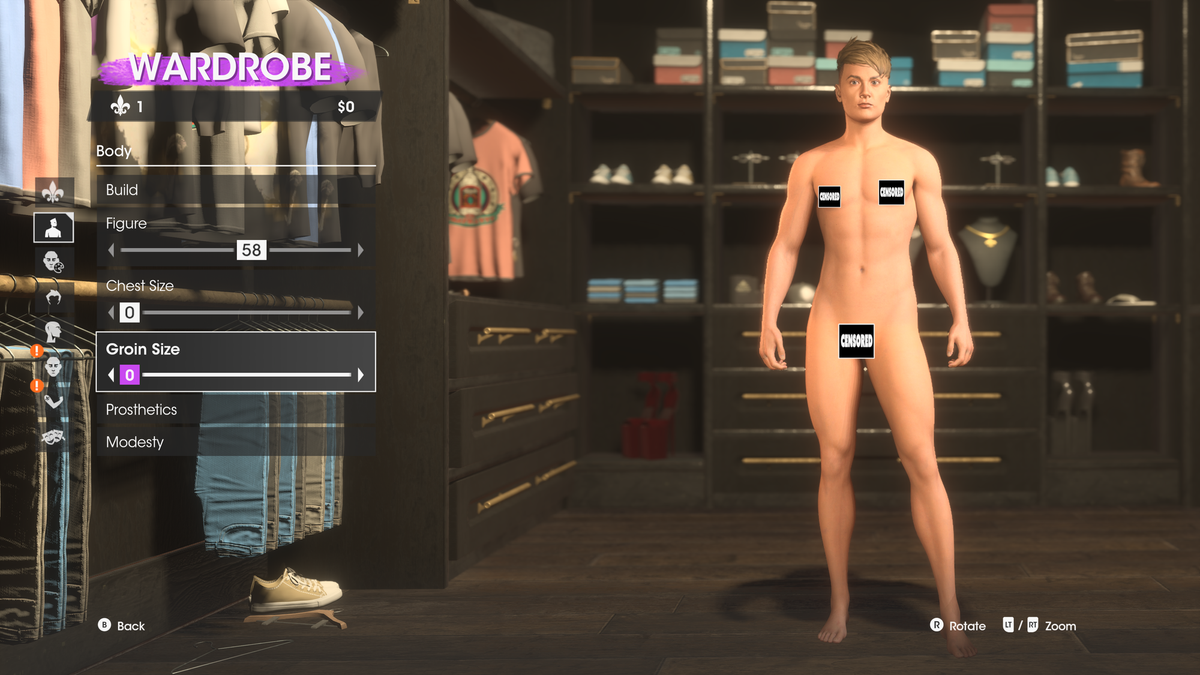
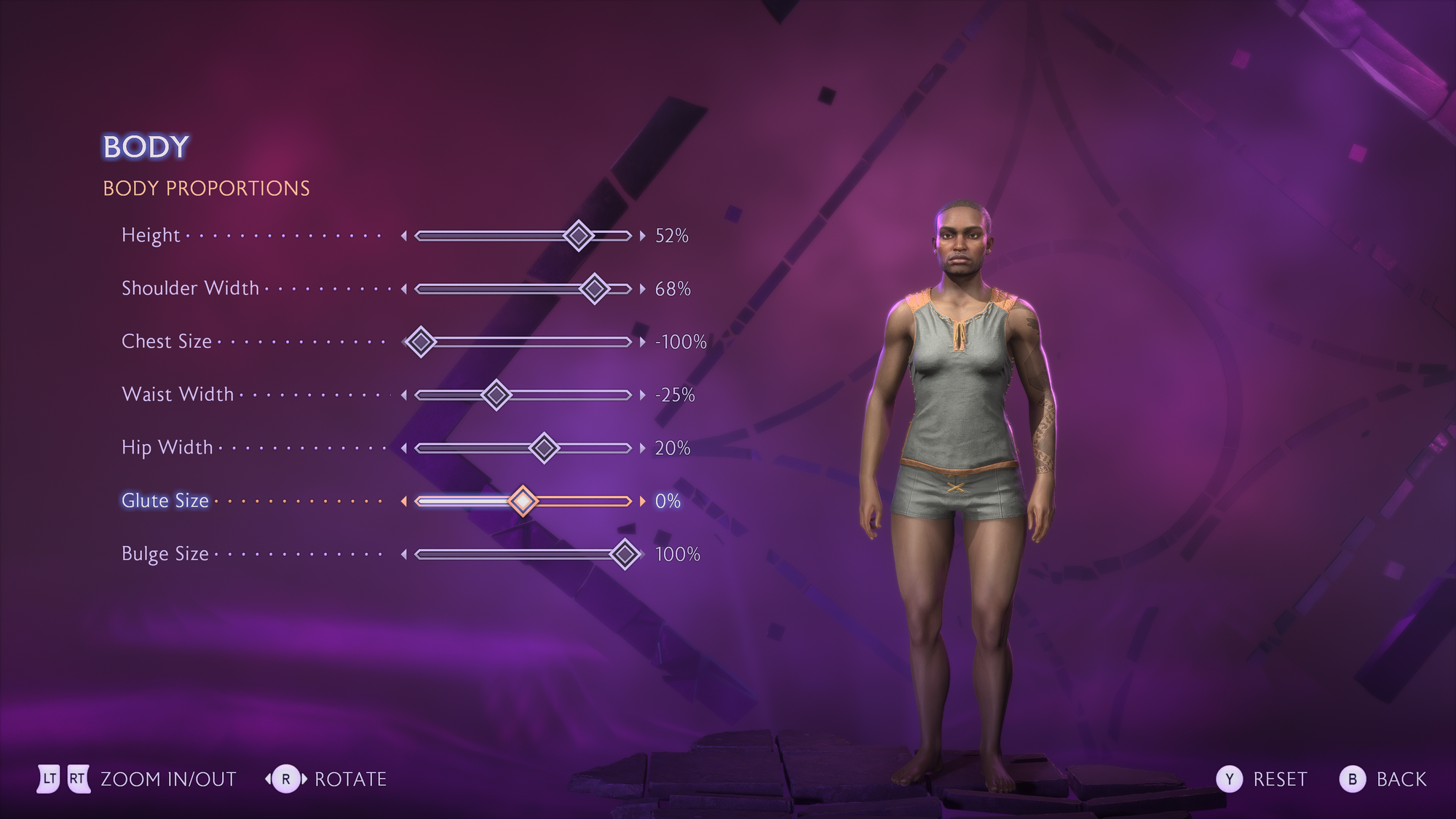
The first time I opened Saints Row (2022)’s character creator, I didn’t expect to cry. But there it was: a gender-nonconforming body that looked like mine. Not a compromise or a composite, not a binary toggle between “male” and “female.” Just a body that felt possible. The sliders let me shape softness and strength in the same frame, a torso that read masculine without punishment, a face that didn’t have to explain itself.
For much of my life in games, character creation was a negotiation. To get the right hair, I had to accept the wrong pronouns. To wear the outfit I wanted, I had to inhabit the wrong body type. So when Saints Row handed me a digital self that didn’t argue back, I felt something rare: ease.
Character creators are more than tools—they’re mirrors. And for players like me, who rarely see our reflections in media, that mirror has long been warped by someone else’s assumptions. Masculinity was coded in jawlines and broad shoulders; femininity in narrow waists and smooth skin. Between them, nothing. The middle ground didn’t exist. Until, suddenly, it did.
Beyond the Binary Code
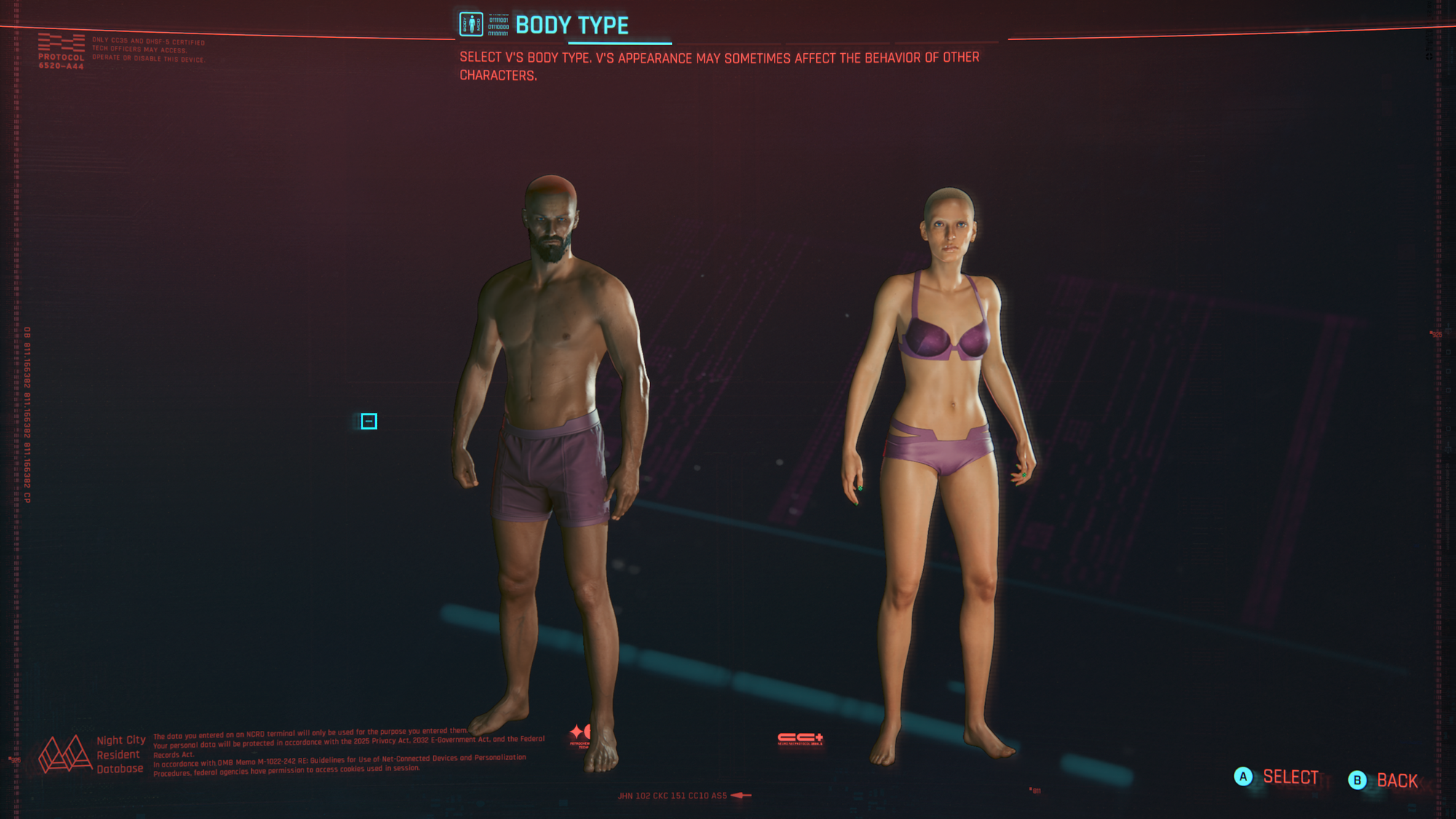
Before Saints Row handed me a blank canvas, there was Cyberpunk 2077. When it launched in 2020, its marketing spoke of a future beyond gender—fluid, customizable, free. But once inside the creator, the illusion fractured. Players could choose between strictly “male” and “female” body types: big, muscular frames for one, delicate and narrow for the other. Sure, you could create a trans character, but they had to adhere to the gender binary. What looked like freedom was a reskin of the same old rules. To play as trans was not a feature—it was a workaround, a quiet rebellion against the system itself.
It was progress wrapped in old logic. The body was still a gate, not a gateway.
Two years later, Saints Row (2022) did what Cyberpunk could not. It uncoupled body, voice, and identity entirely, letting players exist beyond the binary without apology. Its sliders did not demand a binary choice. In Saints Row, gender was not an input field. It was an expression.
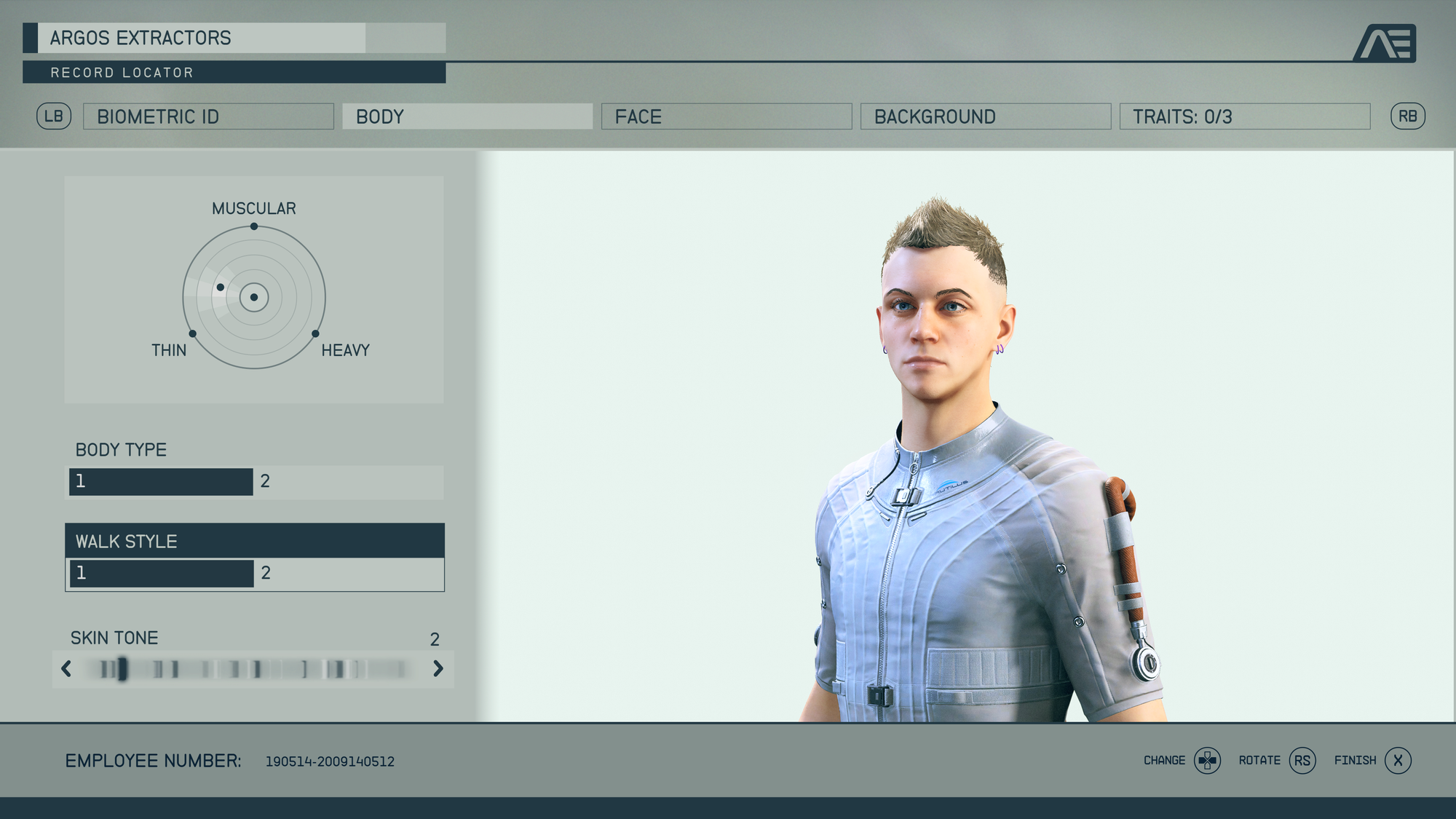
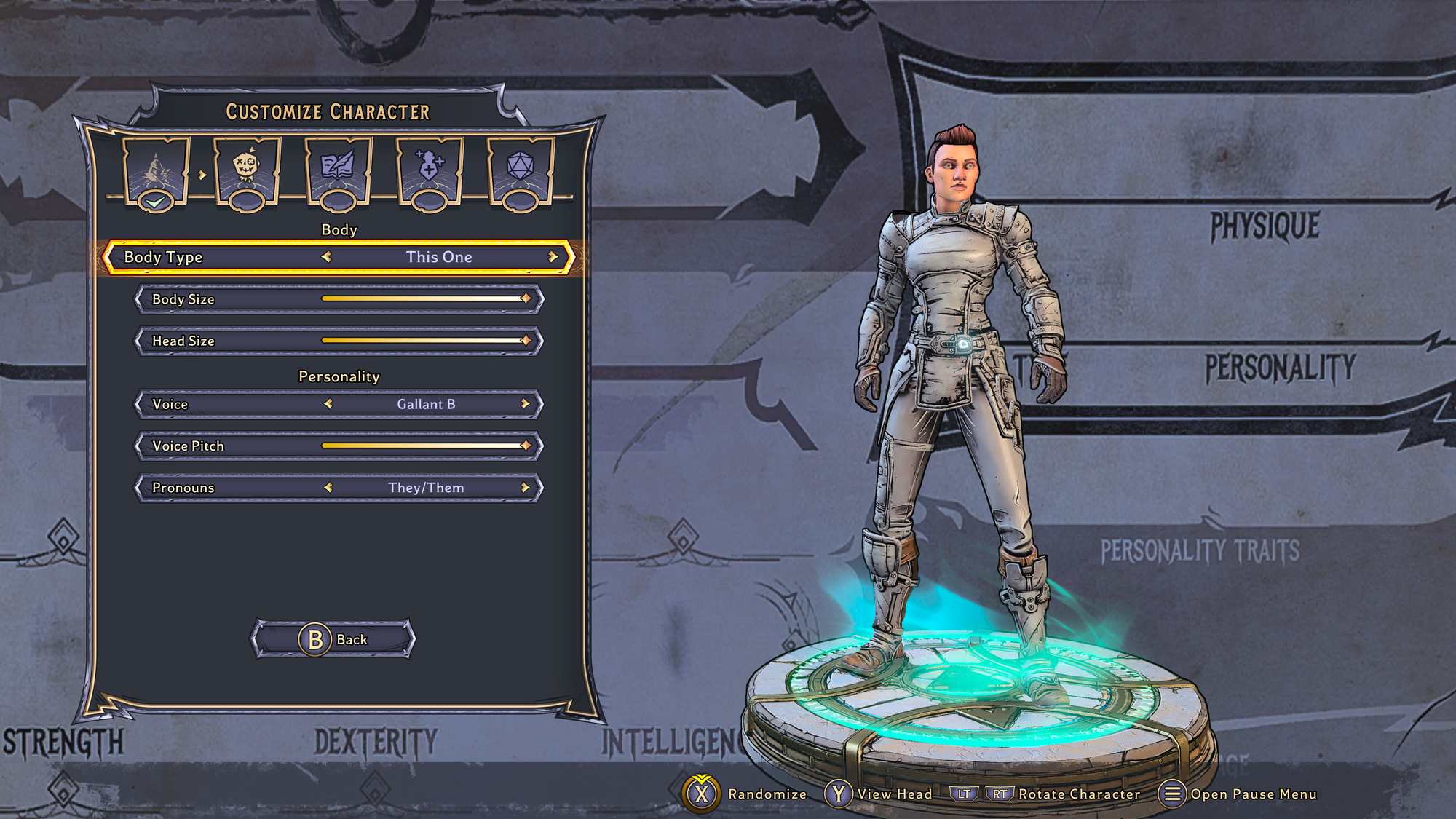
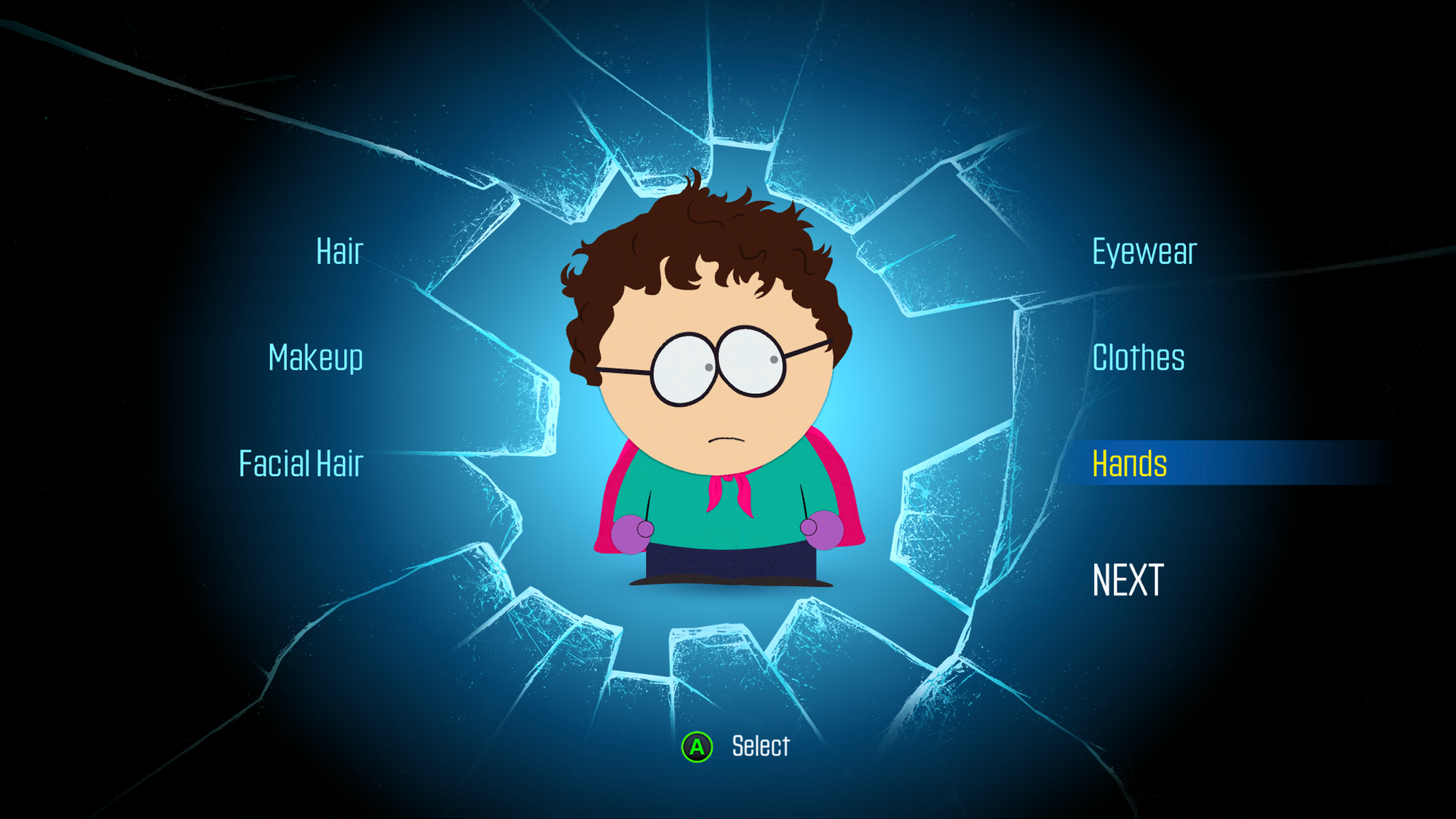
Since then, other games have begun to deepen that freedom. Baldur’s Gate 3 allows players to choose pronouns, bodies, and voices independently, and its companions respond naturally, without fanfare or fetishization. Starfield takes a quieter route, integrating inclusive options as a matter of course, treating gender as one facet of who you are, not a disruption to realism. Tiny Tina’s Wonderlands infuses its inclusivity with humor, offering body types labeled “That One” and “This One,” pronoun choices including they/them, and adjustable voice pitch, all treated as a normal part of the game’s chaotic charm. Even South Park: The Fractured but Whole surprises in its satire by allowing genderless character creation, letting players exist outside categories entirely.
And Dragon Age: The Veilguard, even in its early previews, goes further still. The player character, Rook, can explicitly identify as transgender within the story itself. That declaration is not a novelty or a confession—it becomes part of the world’s canon, reflected in dialogue and relationships from that point on. The game does not merely allow trans existence; it acknowledges it, weaving gender diversity into the lore rather than framing it as exception.
This evolution marks a turning point. Games are learning that gender identity is not a texture map or toggle. It is narrative truth. It belongs in the story, not just the settings menu.
When Creation Heals
Creating a character can feel like sculpting your own truth. Each slider allows an act of self-determination: broader shoulders, smaller chest, sharper jaw, softer stance, smaller frame. For some, this is just customization. For others, it’s a moment of recognition that borders on spiritual.
Therapists working with trans and gender-expansive clients sometimes describe the body as a site of reclamation. It’s where identity and trauma often intersect, where dysphoria meets embodiment. Games that allow players to see themselves—even temporarily—can offer a form of narrative exposure. The player steps into the “what if”: what if I looked like myself and the world didn’t collapse?
When Cyberpunk 2077 launched its limited system, trans players still found ways to express themselves through modding and creative resistance—altering the code to make what the menus refused to. In Baldur’s Gate 3, players shared screenshots of characters who finally looked right, whose pronouns matched their hearts. And in The Veilguard, being trans isn't a workaround, it's canon. Each of these games offers the same gift: a digital space where congruence is possible.
The Limits of Freedom
Still, representation in games is a moving target. Even as gender options broaden, beauty remains narrow. Sliders may let players shift gender markers freely, but body diversity often stops at “fit.” Fatness, aging, and disability are still coded as aberrations, rarely afforded the same dignity as androgyny or muscle tone.
Inclusivity has grown horizontally—across gender—but not vertically, through the deeper strata of appearance, race, and ability. Cyberpunk 2077 may offer customizable pronouns now, but its default bodies remain sculpted to a single standard of desirability. Starfield’s NPCs use inclusive language, yet almost all share the same narrow spectrum of “believable” beauty.
That tension mirrors real life: freedom within boundaries still drawn by someone else’s idea of normal. But naming those limits is part of reclaiming them. The same way therapy makes unconscious biases visible, games can make aesthetic ones tangible. When you notice which sliders don’t exist, you start to see whose realities have been left out.
Becoming Real
Therapy often begins with permission to imagine a version of yourself beyond survival. Games offer that same permission through play. You can try on possibilities without risk, see what feels authentic, and then carry a piece of that feeling back into your life.
When I built my Saints Row boss, I wasn’t just creating a character. I was meeting myself. I was meeting the person I’d been trying to describe to every form, every mirror, every stranger who asked the wrong question. And for a few minutes, I got to exist in a world that didn’t question that body’s right to be there.
That’s the beauty of inclusive design. It doesn’t just let us play as ourselves—it lets us believe ourselves. It teaches that embodiment can be a joy, not a negotiation. That to become real, you don’t have to earn permission. You just have to choose “New Game” and begin.