Inner Child Work with Disney Dreamlight Valley: Why This Cozy World Makes Healing Feel Possible

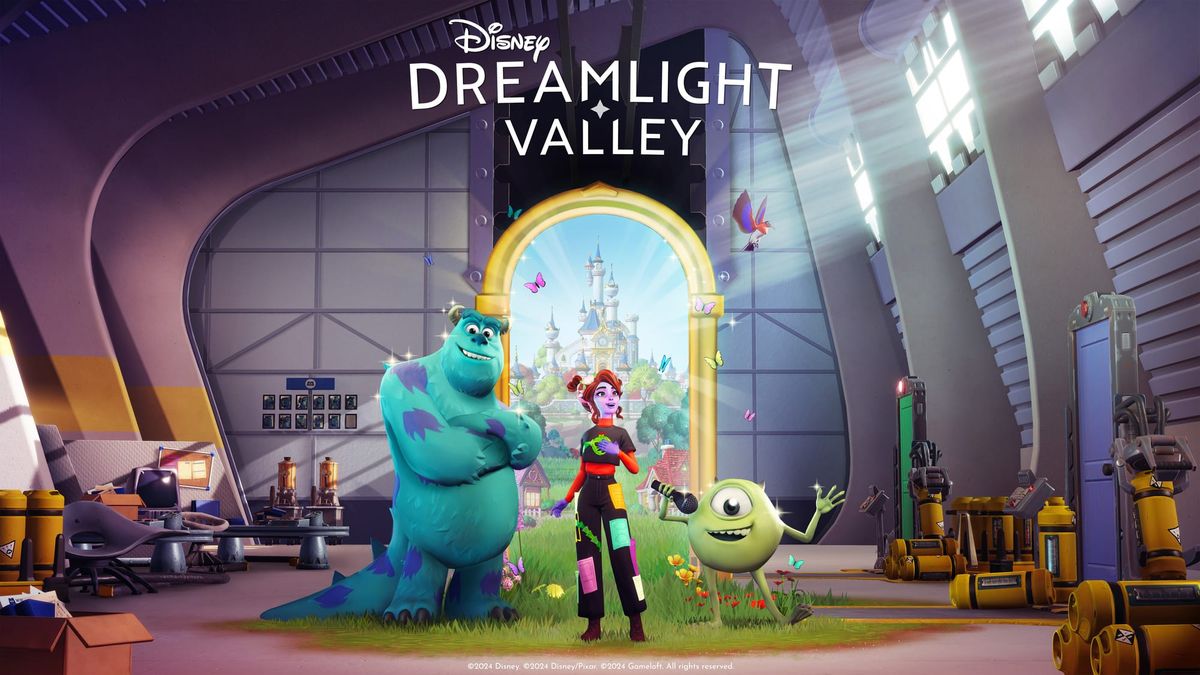
This piece is the first in a series exploring how Disney Dreamlight Valley can support inner child work. The goal is simple. We are taking a therapeutic concept that often feels vague or intimidating and translating it into something tangible, playful, and deeply accessible.
Video games offer an unexpected but effective starting point for this kind of work. For many people, self-compassion feels dangerous. It can stir old fears about weakness, selfishness, or vulnerability. When being kind to yourself feels unsafe, you have no blueprint for where to even begin. Games step in gently. They let you practice care in a space that never judges you. You tend to your needs through your avatar, your Valley, and your relationships with characters. You see real growth appear because of small, consistent acts of nurturing. That experience becomes a bridge. You start by caring for a digital world, then slowly learn how to offer that same compassion to yourself.
Dreamlight Valley is particularly well suited for this kind of emotional rehearsal. It is a world built on comfort, gentleness, and relational repair, which makes it a surprisingly powerful environment for inner child healing. Each installment in this series will explore a different layer of that experience and offer practical ways to turn cozy gameplay into meaningful therapeutic work.
Inner child work can feel like a concept too abstract to really grasp. Therapists describe it, clients nod politely, then the client walks away without a clear sense of how to actually apply it. People imagine time travel or some mystical imaginary kid floating around their psyche, which might spark confusion rather than clarity. The heart of inner child work is simple. You're learning to understand and care for the emotional patterns you developed when you were young, particularly the ones you never had support to process.
That's where Dreamlight Valley steps in and says, here, let me make that less abstract. The game is one big metaphor for tending to what has been neglected inside you. It is a soft, colorful world where care has immediate impact, where connection always leads to warmth, and where things heal with time and attention. When you enter the Valley, you step into a place that models the kind of emotional nurturing younger-you needed but may not have received.
A Cozy World That Calms the Nervous System
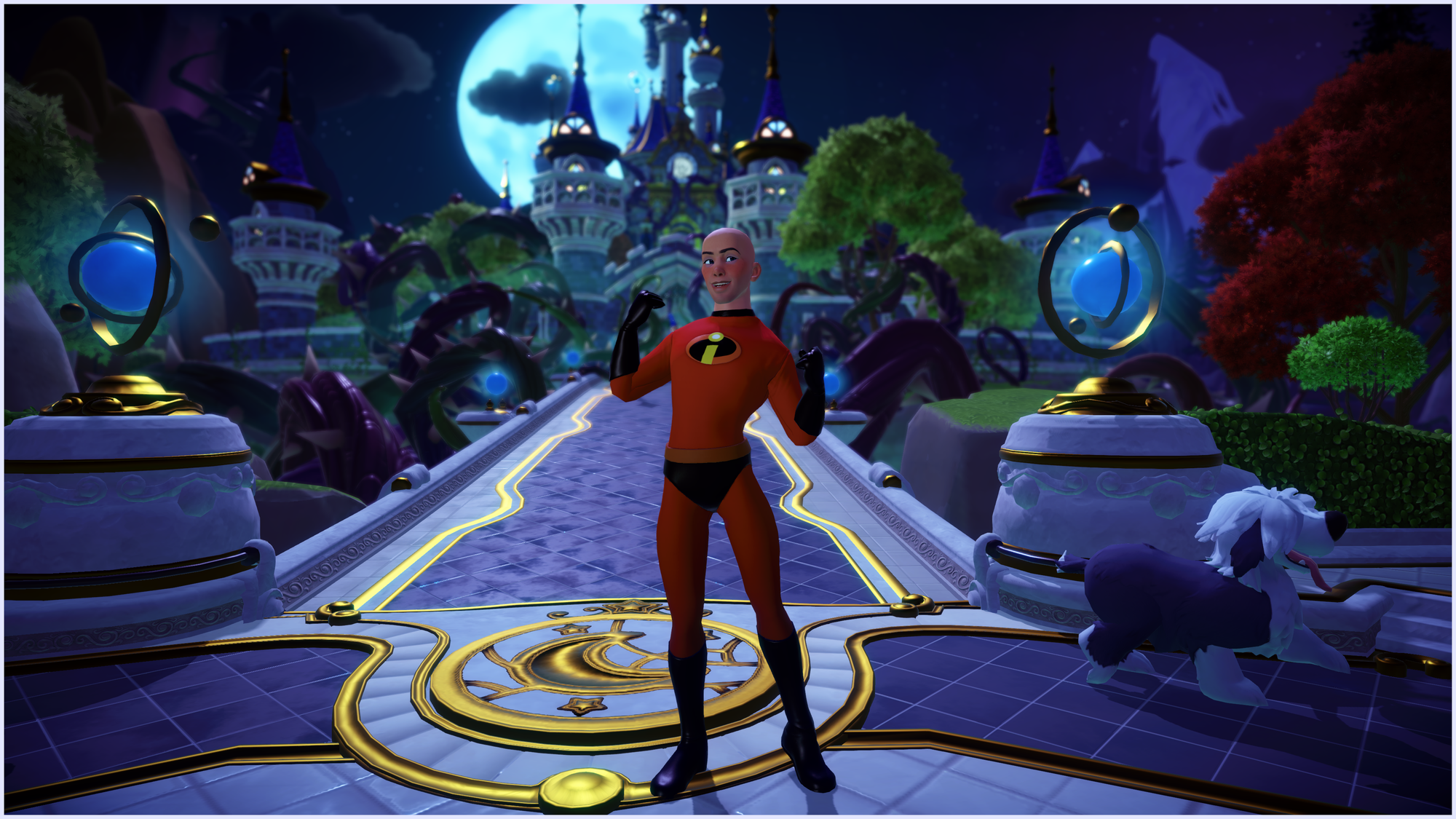
Dreamlight Valley is built on sensory comfort. The familiar music plays in the background like a lullaby. The lighting shifts with a softness that never startles. Characters greet you eagerly and always with smiles. The routines are predictable in a way that feels grounding rather than repetitive. There is no chaos waiting to jump at you. The Valley follows the logic of nurturance: plant something, water it, watch it grow.
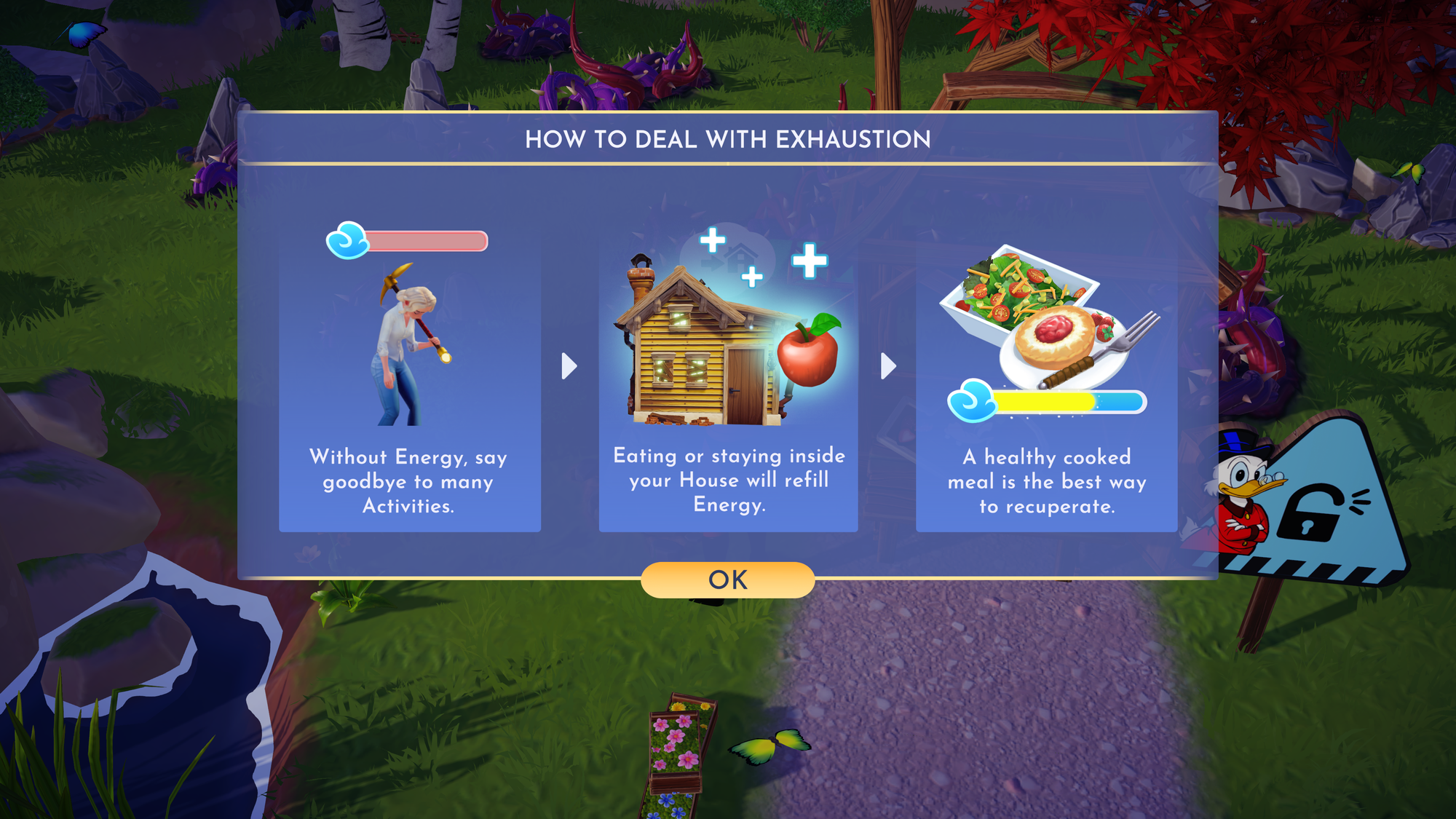
Then the game does something brilliant. It gives you an energy bar and treats it with more kindness than many of us were taught to give ourselves. When your character is exhausted, the game doesn’t shame you or push you to keep grinding. It tells you to rest. You step into your house or eat something nourishing and your energy rises again. A healthy cooked meal refills you even more. The entire system is a tutorial in sustainable care. Younger-you notices that rest is allowed. Present-you gets a small reminder that exhaustion is a cue to pause, not a moral failing. Many people never had that modeled for them. The Valley insists on it every time you run out of spark.
Cozy games work wonderfully for inner child work because they neutralize the fight-or-flight system. When the environment feels safe and knowable, your emotional brain stops prepping for danger and starts paying attention to curiosity, delight, and connection. This is exactly the neurobiological space where inner child work can take root. You cannot rewrite old emotional patterns while your body is braced for impact. Dreamlight Valley keeps everything gentle enough for those buried parts of yourself to peek out.
The Valley as a Mirror of the Inner World
The more time you spend wandering its paths, the more obvious it becomes that the whole game reads like an allegory for inner healing. The Valley begins overgrown with Night Thorns, dark twisting vines that block pathways and crowd out beauty. You remove them one by one, patches of light return, and you have room to build new structures to serve the residents of the Valley. It is easy to see this as a metaphor for clearing out the old messages you absorbed when you were young. The harsh beliefs that tangled around your self-worth. The shame you carried long after you stopped remembering where it came from. Clearing a thorn is a small act of liberation, making way for the creation of healthier thinking and patterns.
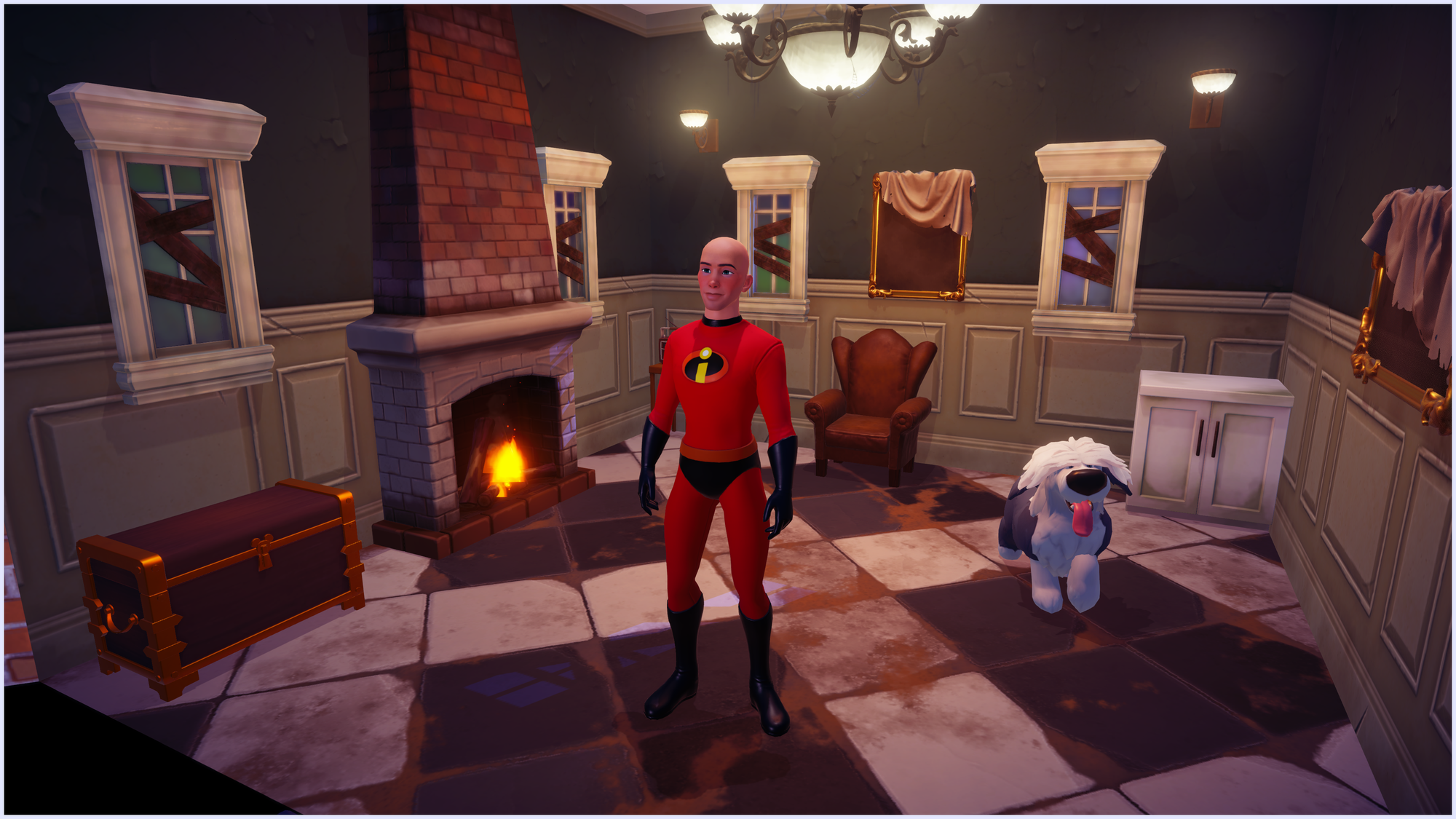
Then there is The Forgotten, the shadowy figure who has lost their way. In the story, they are not a villain. They are a hurting version of you, exiled from the rest of the Valley after carrying too much pain alone. It is one of the fairest depictions of dissociated parts you will ever see in a game. The Forgotten is the part of you that learned to tuck itself away because its feelings seemed too big or inconvenient or unwelcome. The Valley never treats this part as something to eliminate. It treats it as someone to understand.
Restoring biomes deepens the symbolism even further. Each area begins in a state of neglect or shadow. The Forest of Valor waits for courage to return. The Frosted Heights sit frozen in emotional numbness. The Sunlit Plateau shines with potential under layers of disrepair. As you invest in each place, it transforms. This mirrors the slow integration process in therapy. You learn to revisit parts of yourself that you avoided for years. You give them space, structure, and safety. They thaw, brighten, and reconnect.
Friendship Quests and the Art of Needs
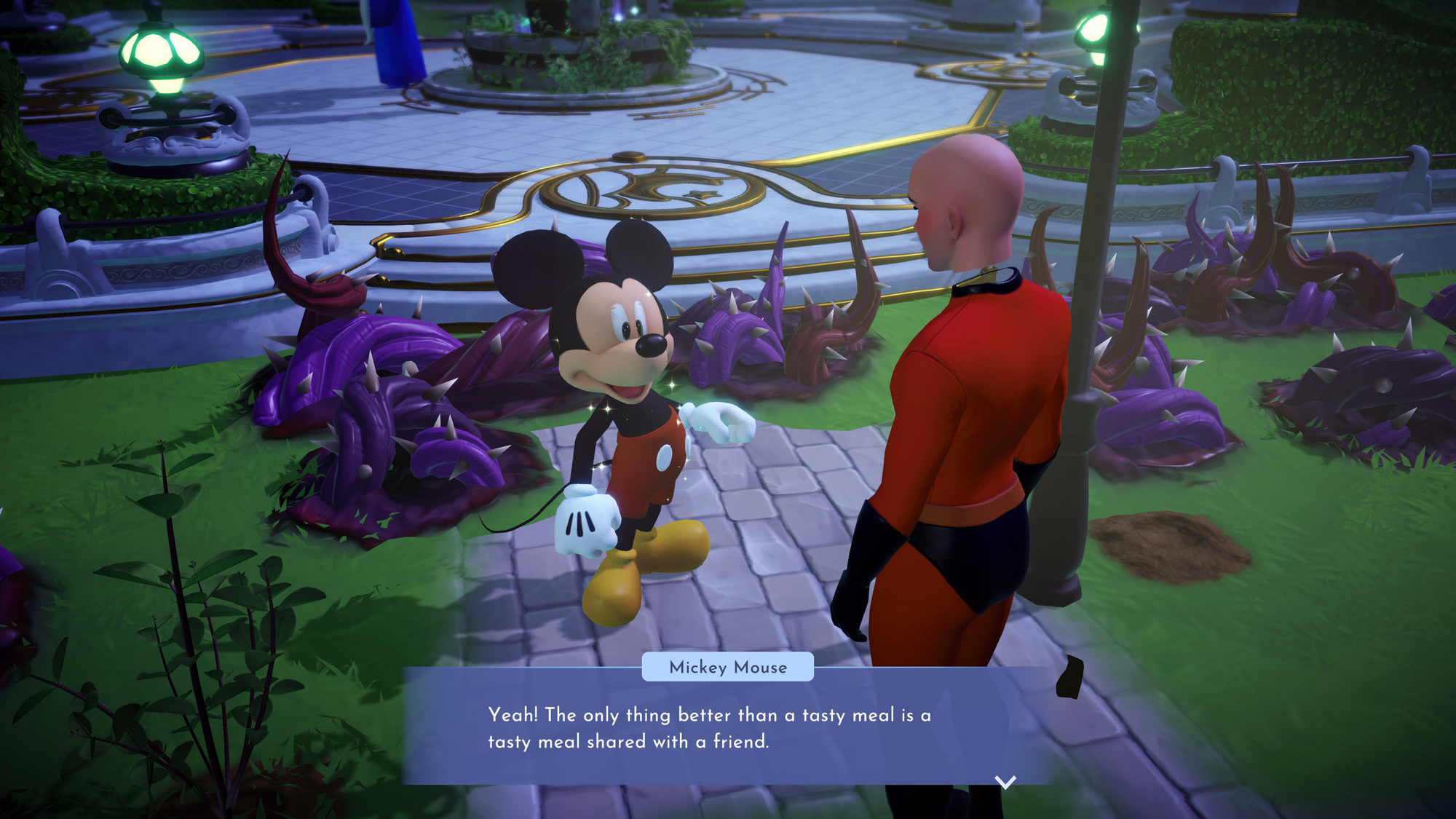
If the biomes represent parts of the self, the villagers embody emotional needs. Every Friendship Quest is essentially a tutorial in relational repair. Characters ask for time, collaboration, reassurance, help, presence, or understanding. These are the exact needs most of us struggle to voice in real life. We were not raised with a script for how to ask someone to show up for us. Many of us don't even know what our needs are until they suddenly demand our attention at the most inopportune times.
In Dreamlight Valley, you practice meeting needs without guilt or confusion. You learn what consistency feels like. You learn what delight looks like when shared. You learn how relationships blossom when you offer care instead of withdrawing in fear. Helping a character through a quest does not just raise a friendship meter. It teaches younger-you that connection is safe and possible, and that your efforts build real warmth.
The Brain Loves Tangible Healing
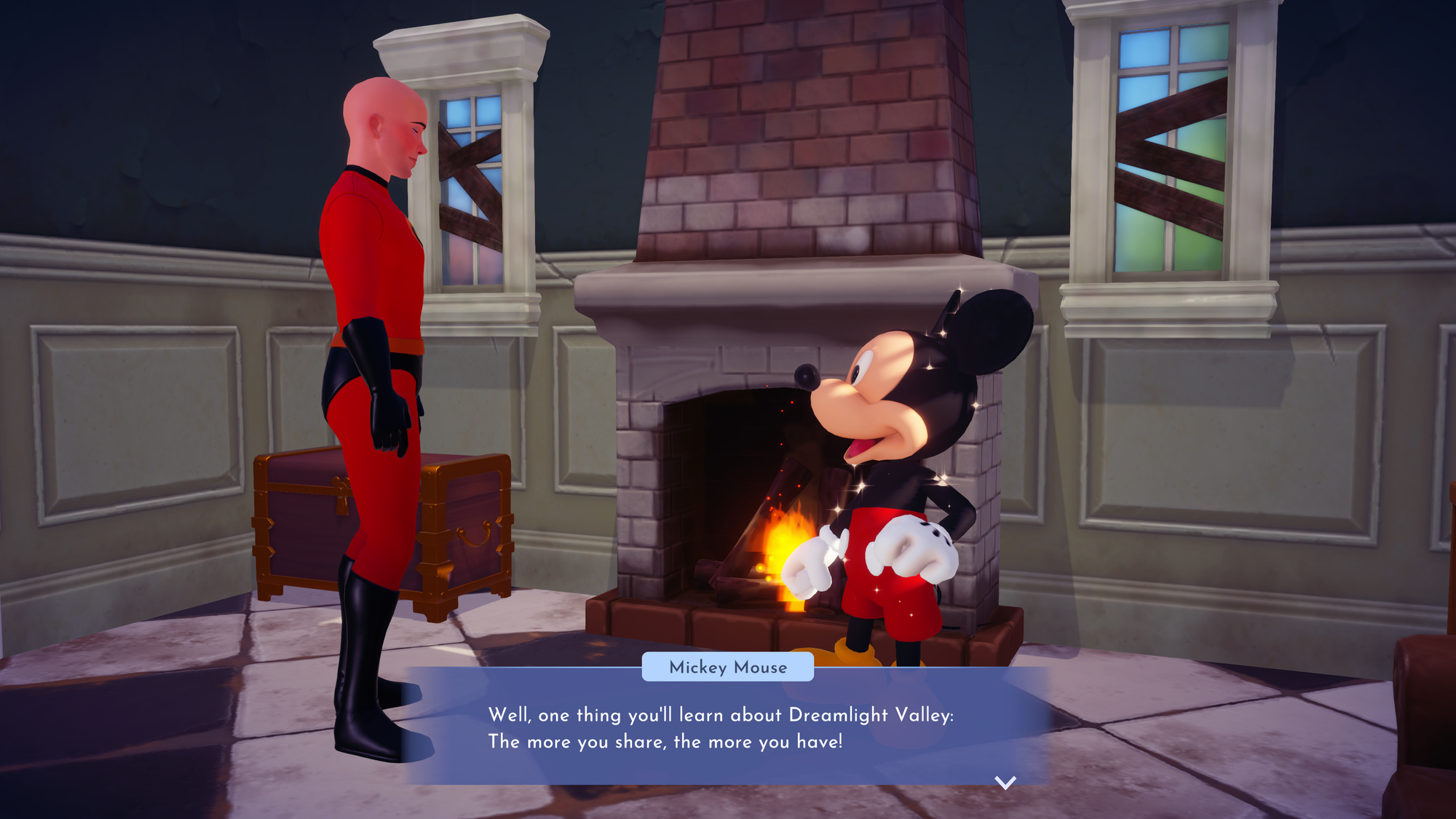
Inner child work relies on emotional learning. You cannot think your way into safety. The parts of the brain responsible for attachment and early emotional patterning update through experience, not lecture. What matters is repetition of these safe, positive moments: comfort, predictability, attunement, curiosity, and delight. Dreamlight Valley generates those moments by design.
The reward system lights up when you complete small tasks. The limbic system settles because nothing in the game threatens you. The medial prefrontal cortex stays engaged, which allows you to reinterpret old memories and soften the emotional charge they carry. You are essentially re-teaching your brain what care feels like, and the game provides a safe container where that learning can occur at a pace that never overwhelms you.
A Playground for Younger-You
The real heart of the experience is this: Dreamlight Valley gives your inner child a place to breathe. It gives them a world where their needs don't feel too big. It gives them predictable routines, playful interactions, and soothing sensory input. It gives them characters who respond warmly to effort without demanding perfection and who model the safe expression of a range of needs and emotions. It gives them a way to practice care without fear of rejection.
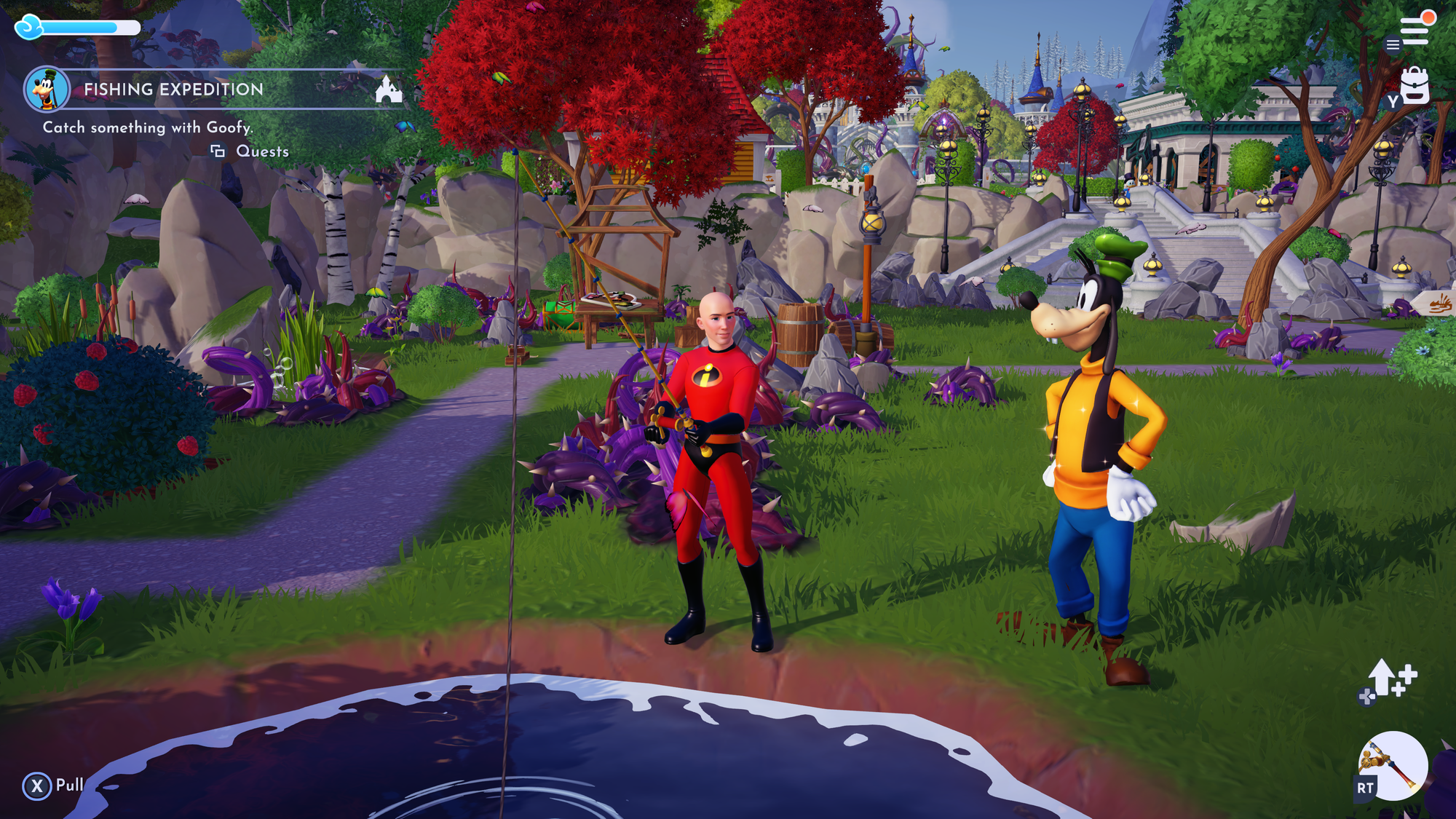
Healing often starts when you remember what it feels like to be welcomed. In the Valley, every villager greets you with the assumption that you belong. Younger-you feels that. Present-you notices. Slowly, something shifts.
By the time you pull your hundredth Night Thorn, restore your third biome, or cook a comforting meal for a friend, you start to see the truth the game has been modeling. Healing favors consistency over grandeur. A little attention. A little compassion. A willingness to return again tomorrow.
Dreamlight Valley becomes a place where you and your younger self can grow together. You tend to it and it tends to you.