Making Inner Child Work Concrete: How Dreamlight Valley Turns a Vague Concept Into Something You Can Actually Do

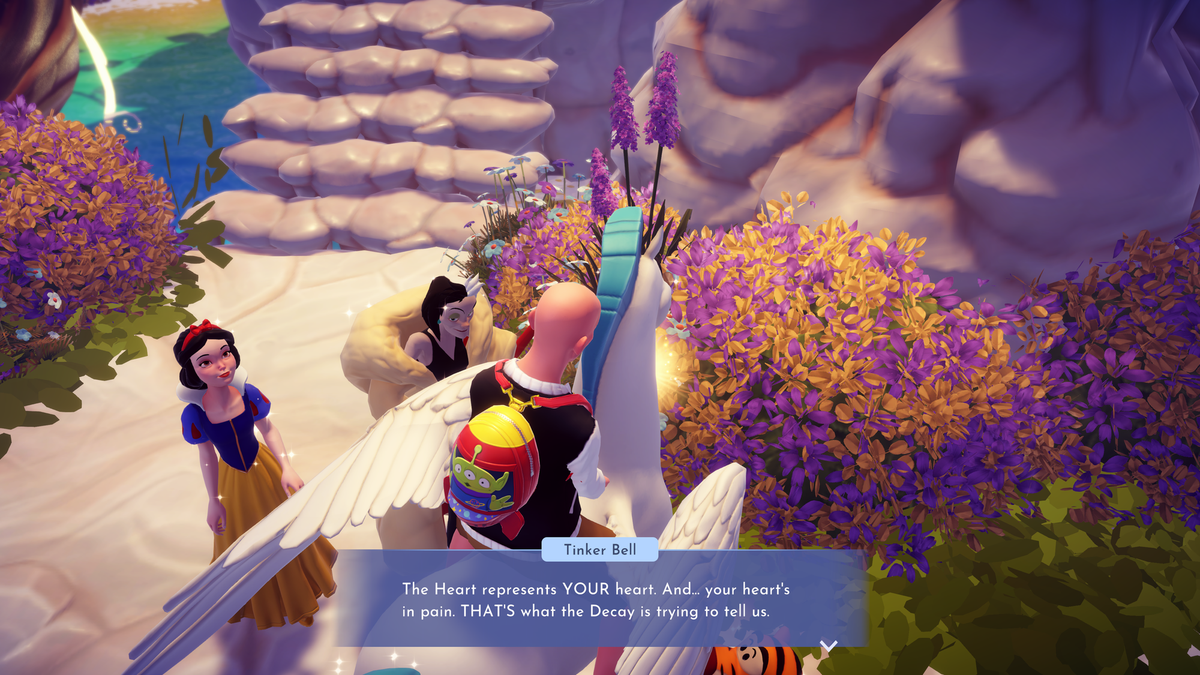
Inner child work is one of those ideas people hear about long before they understand it. Therapists introduce it. TikTok simplifies it. Self-help books wrap it in jargon. Many people end up smiling and nodding along while thinking, what exactly am I supposed to do with this information? The concept feels vague and abstract, almost mystical in the way it gets described. You’re told to heal the “inner child,” but no one hands you a user manual.
Dreamlight Valley becomes that manual.
The game turns an abstract therapeutic concept into something concrete. You touch it, build it, decorate it, nurture it, and watch it respond to your care. That matters. Emotional learning sticks when the experience feels real in the body. We don’t change old patterns by giving ourselves pep talks. We change when we feel cared for in a way that wasn’t available when those patterns formed. Dreamlight Valley supplies a safe, structured world where that feeling can emerge naturally.
Why Inner Child Work Feels So Impossible at First
Younger-you lives in the emotional parts of the brain, especially the areas shaped by early experiences. That part doesn’t speak the language of analysis or logic. It speaks in sensory impressions, tone, rhythm, warmth, and safety. When people try to approach inner child work intellectually, they end up frustrated because they’re speaking the wrong dialect. The part that needs healing responds to lived experience, not debate.
This is why so many people struggle with the idea. They try to create a compassionate internal relationship using only adult tools. They think they’re failing because they’re not “doing it right,” when the truth is that emotional patterns don’t shift through thought alone.
Cozy, nurturing games offer a workaround. They let you interact with emotional concepts using sight, sound, movement, routine, and relational feedback. You learn through repetition that feels gentle rather than pressured.
Dreamlight Valley as a Simulation Chamber for Safe Emotional Rehearsal
Dreamlight Valley is a world that rewards care with growth. It’s as simple as it sounds, and that simplicity is what makes it powerful. Every system in the game is a micro-exercise in nurturing.
You plant a crop and it grows because you watered it.
You decorate a home and the space feels more welcoming.
You help a villager and your relationship strengthens.
You clean up an area and the Valley becomes brighter.
These aren’t metaphors you have to strain to interpret. They are direct experiences of effort leading to nourishment. Younger-you learns through cause and effect. The Valley offers an endless supply of cause and effect that feels warm and predictable.
Cozy gameplay feeds the inner child’s need for:
• structure
• predictability
• gentleness
• responsiveness
• a sense of impact
• a sense of being welcomed
This is everything that helps emotional learning start to shift.
Why Tangibility Matters for Healing
The inner child is not a literal tiny person inside you. It’s a collection of early emotional patterns, unfinished needs, and unprocessed experiences. These patterns sit in the nervous system, not the intellect. The nervous system doesn’t respond to theories or explanations. It responds to felt safety.
Dreamlight Valley provides hundreds of moments of low-stakes, sensory-rich practice in:
• soothing
• caregiving
• slowing down
• receiving positive responses
• earning trust through consistency
• repairing what was neglected
• creating inviting environments
• noticing what feels good
This is the kind of practice that allows emotional patterns to change. The body learns new rules through repetition. The game gives you that repetition without pressure or risk.
Turning Abstract Work Into Everyday Actions
This is where Dreamlight Valley shows its strength. Inner child work becomes something you do, not something you think about.
You don’t have to imagine caring for younger-you in an empty room. Instead, you show care by:
• tending a garden
• feeding your avatar a comforting meal
• visiting a favorite character every morning
• creating a safe room in your house
• clearing out cluttered spaces
• helping someone with a task
• decorating your environment in colors that soothe you
• restoring a neglected biome through steady effort
These actions don’t feel dramatic, yet they carry weight. They let you practice nurturing without the vulnerability of doing it directly with your own memories. You try on the role of “caring adult” inside a world that meets your attempts with warmth instead of pushback.
Younger-you learns the feeling first. The insight comes later.
The Psychological Bridge: From Game to Self
You aren’t tricking yourself by using a game for emotional work. You’re creating a bridge. Your brain doesn’t differentiate strongly between real and simulated experience when it comes to emotional learning. If your nervous system feels safe, soothed, and capable inside the game, those experiences become part of the emotional repertoire you can draw from in real life.
This is why people often finish a cozy gaming session feeling calmer, more anchored, or more hopeful. The game rehearses emotional patterns that your body remembers even after you log out.
Gradually, without forcing it, the care you give the Valley starts to reflect inward. You notice when you’re depleted. You rest sooner. You move through tasks at a gentler pace. You recognize what steady effort feels like instead of burnout. You treat your needs with a little more patience.
That is inner child work becoming real.
Bringing It All Together
Inner child work isn’t imaginary or mystical. It’s experiential. It requires moments in which younger-you feels something different from what the past taught them. Dreamlight Valley offers a world where those moments show up again and again.
You decorate a room and feel creative.
You help a friend and feel valuable.
You rest and feel restored.
You show up every day and the Valley grows with you.
That’s the work. Consistent, embodied care that doesn’t rely on willpower or perfection.
Dreamlight Valley doesn’t heal you. But it gives you the tools to practice healing. It lets you rehearse the skills your younger self needed in a world gentle enough to receive them. Over time, those practiced moments begin to influence how you respond to yourself, and healing becomes something that feels possible instead of theoretical.
Carrying the Practice Into Real Life
The real impact comes when those in-game behaviors start showing up outside the screen. Once your nervous system has experienced gentle care repeatedly, it begins to remember it. Not as an idea, but as a pattern. This is where muscle memory comes in.
When you play Dreamlight Valley, you are practicing responses over and over again. You notice depletion and you rest. You encounter disorder and you tend to it slowly. You show up consistently and things improve. Your body learns these sequences the same way it learns any habit. Through repetition. Through safety. Through doing, not explaining.
Over time, those patterns start to feel familiar. Your system knows what comes next.
If the Valley teaches you to rest when your energy runs low, your body begins to recognize that sensation in real life sooner. If you create spaces that feel welcoming in-game, your hands may eventually tidy a corner of your home without it feeling forced. If you check in on a favorite character every day, consistency itself starts to feel regulating rather than demanding.
This is emotional muscle memory forming. Your nervous system is learning a new default rhythm.
In practical terms, this might look like:
• pausing earlier when you notice exhaustion instead of pushing through
• reaching for nourishment when you feel depleted
• organizing tasks in a way that feels supportive instead of punishing
• creating a simple daily ritual that mirrors the relaxed pacing of the game
• paying attention to comfort, color, and environment without dismissing it as frivolous
• responding to yourself with patience because that response has been rehearsed hundreds of times
The goal is not to recreate the game in your everyday life. The goal is to let your body borrow the patterns it has practiced there. Care practiced often enough becomes easier to access anywhere.
Dreamlight Valley doesn’t just teach you what self-compassion looks like. It helps your system remember how to do it. And once that memory is there, it becomes something you can return to, even on days when kindness feels hard to reach.