Redefining Masculinity Through Intentional Exploration With Arthur Morgan

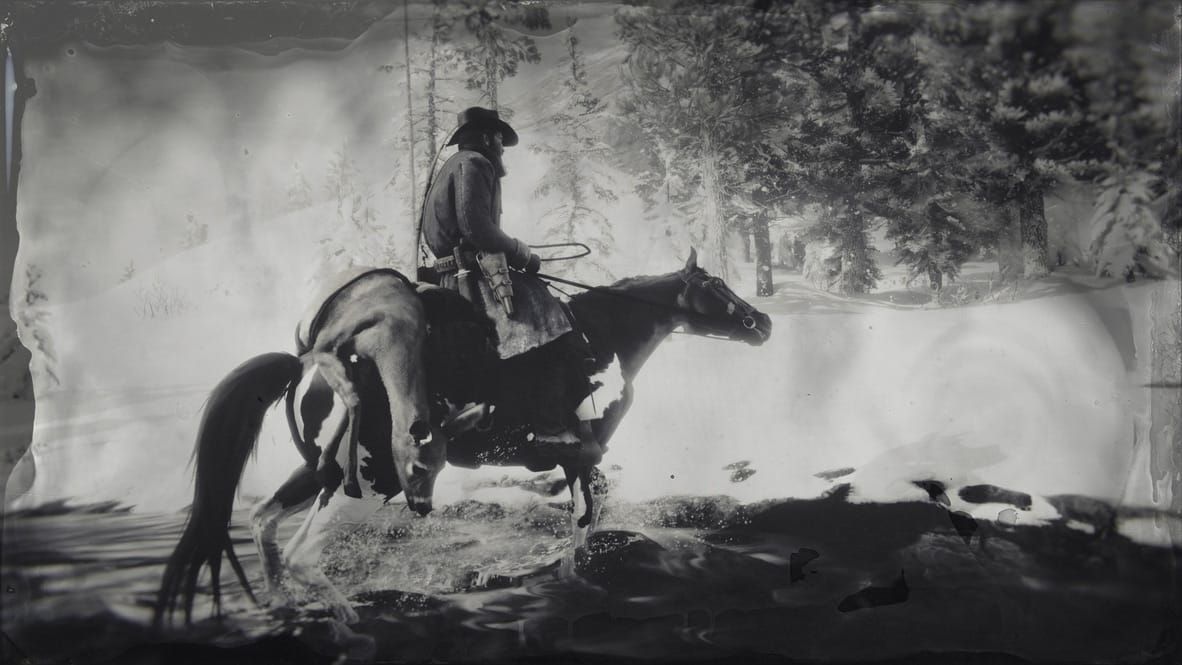
When Red Dead Redemption 2 begins, you meet Arthur Morgan in the middle of a blizzard with no time for philosophy. He is cold, bleeding, loyal to a fault, and trained to survive the only way he has ever known. His world is already collapsing. His beliefs are fixed. His identity seems carved in stone.
The trick is that none of that stays true for long.
RDR2 never gives you a script for what kind of man Arthur should be. It hands you a man shaped by hardship and loyalty, then asks what he might become if you pause long enough to really consider his choices.
Masculinity in this game is not a costume or a posture. It is a process.
A Man Watched by the World
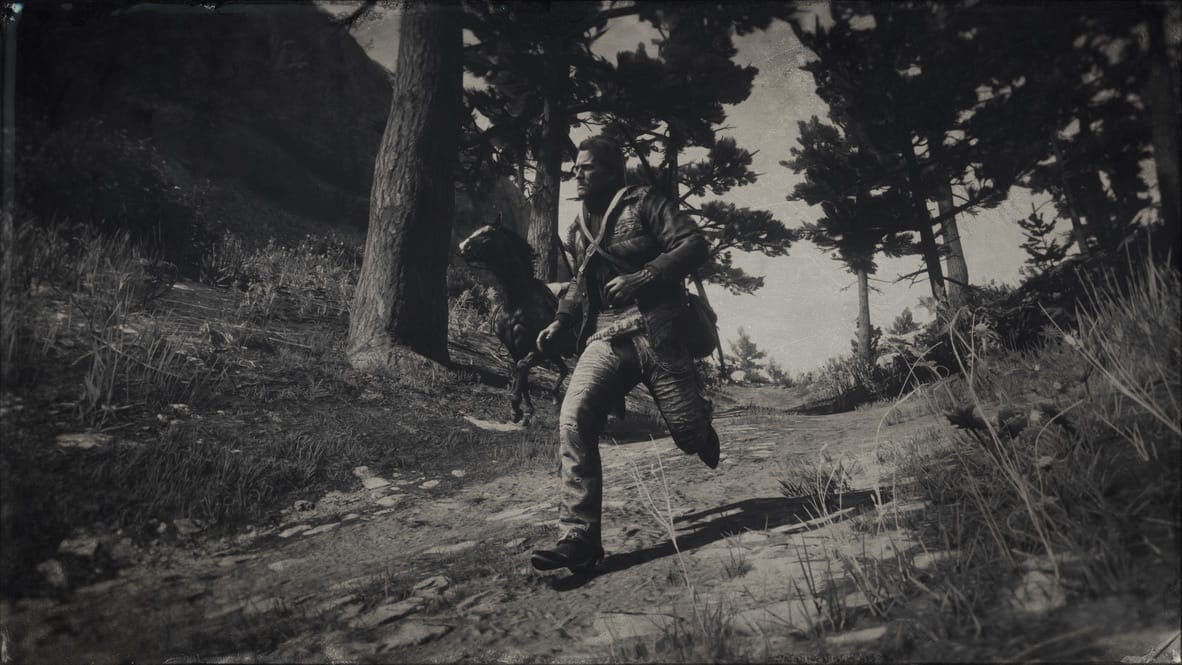
The frontier watches Arthur closely. Every stranger has something to say about him. Lawmen notice how he rides. Shopkeepers change their tone based on his honor. A bartender calls him sir one day and mutters about trouble the next. Even the journal he keeps documents the gap between who he is and who he is trying to be.
RDR2 is not as theatrical in its good-vs.-evil system as Fable, but the effect is similar. The world notices when Arthur helps someone. It notices when he harms someone. These reactions can nudge players to reflect on the kind of masculinity they are modeling through him.
Therapy often uses this kind of feedback loop. People grow when they see how their behavior echoes and how it shapes their relationships. Arthur is a walking experiment in this. His identity is revealed in the small gestures. His reputation is built from the accumulation of small decisions.
Power, Vulnerability, and the Tension Between Them
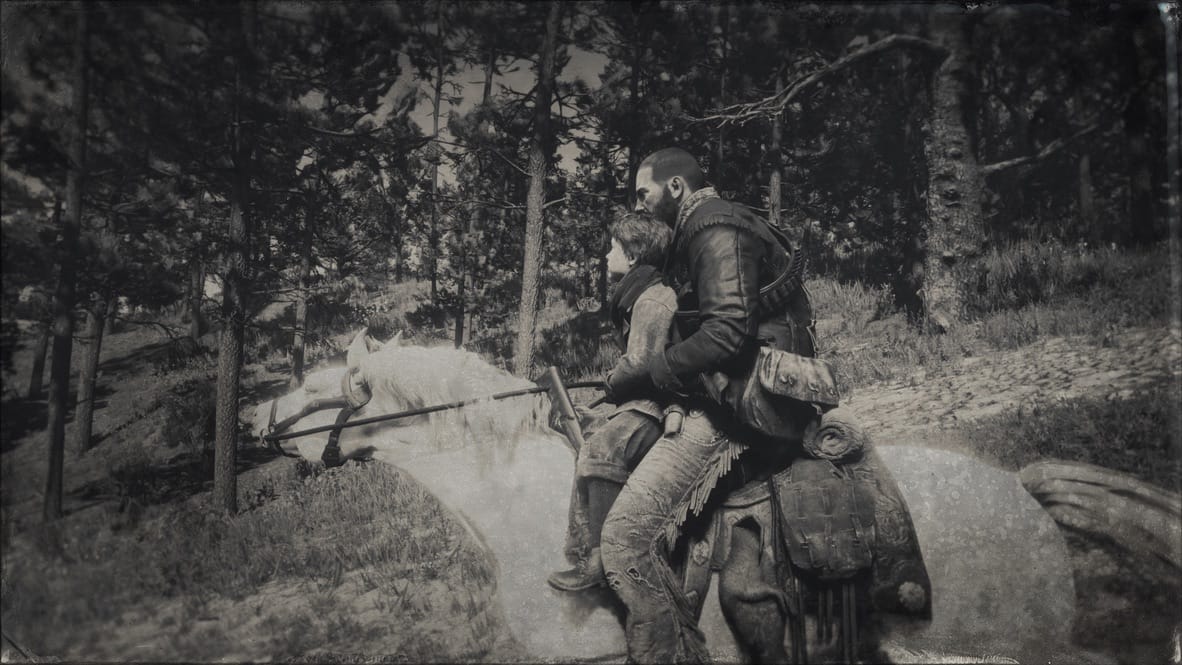
Arthur can be violent, protective, gentle, reckless, patient, or thoughtful. He can cradle a wounded horse like a child or execute a stranger without blinking. Players are given total freedom, but that freedom comes with the weight of responsibility.
This tension maps onto therapeutic concepts. Existential Therapy talks about the anxiety that comes with freedom. Arthur embodies that discomfort. Every action creates a consequence. Nothing disappears into the void.
For players, especially those working to redefine masculinity, this tension becomes a guided exercise. Many men grow up with scripts that glorify strength and suppress vulnerability. Arthur throws out those scripts. His tenderness never weakens him. His anger never makes him invincible. His vulnerability becomes the hinge on which his entire story turns.
He teaches a form of masculinity that includes softness without shame.
The Slow Transformation

Arthur’s evolution is subtle. It unfolds in the journal sketches he makes by lantern light. It shows up in how he treats a stranger by the roadside or how he speaks to a terrified witness. It lingers in the long rides where he tells his horse what a good, brave girl she is.
Players begin to notice that gentleness changes how Arthur sees the world. Honor shifts how characters talk to him and how he talks about himself. When he reflects on a kind act in his journal, the writing softens. His worldview expands.
These moments are similar to what Narrative Therapy calls re-authoring. Arthur is rewriting the story he has been told about what a man must be. The player participates in that process. Together, they test new possibilities for identity and purpose.
For many queer and trans players, this lands with surprising force. Masculinity becomes something lived, not performed. Something chosen, not dictated. Arthur shows that manhood can be constructed with intention rather than inherited from tradition.
When the Old Story Breaks
Arthur’s journey is shaped by loss and disillusionment. His loyalty to the gang becomes increasingly painful. His model of manhood was taught by Dutch, a man who is unraveling. That unraveling forces Arthur to examine the foundation of his identity.
This is a familiar experience for many people in therapy. Sometimes the roles we learned in childhood cannot sustain the adults we become. Sometimes loyalty becomes self-betrayal. Sometimes masculinity becomes a cage instead of a home.
Arthur’s crisis is a study in cognitive dissonance. The man he has been no longer fits the man he is becoming. The game invites players into that discomfort, allowing them to practice the skill of re-evaluation without abandoning selfhood.
The Body That Carries the Story
Arthur’s body tells the truth before he does. His cough interrupts cutscenes. His stamina falters. His reflection looks tired before he admits he is dying. The body reveals what the mind avoids.
For players who have wrestled with shame, dysphoria, or the pressure to appear strong at all costs, this can strike deeply. Masculinity in the game is not tied to physical invulnerability. Arthur becomes more human, more real, and more open as his body weakens.
This reversal is powerful. Strength becomes relational rather than physical. His courage is in his willingness to see himself clearly and his Identity becomes something grounded in integrity, not dominance.
Choosing the Ending You Can Live With
Arthur cannot change where he came from, but he can change where he is going. Each choice you make shapes the tone of his final hours. The game uses those choices to pose an existential question: Who is Arthur when no one is watching except the player holding the controller?
Therapy often ends on a similar note. Who are you when you are free to choose who you become next?
Arthur’s honor system illustrates that redemption is not grand, but incremental. It is stitched together from repeated choices to be the kind of person you can recognize with pride. Even in the final chapter, he keeps choosing.
And that is the heart of intentional masculinity. Not performance. Not perfection. Practice.
A New Story of Manhood

RDR2 doesn't present a single definition of masculinity. It gives you a man shaped by violence and invites you to discover what else he can be. Through Arthur, players can practice forms of masculinity rooted in empathy, accountability, curiosity, and emotional courage.
Arthur Morgan may be fictional, but the work he models is real. You choose again, you practice again, and slowly you shape the man you are becoming.
*The Building My Masculinity worksheet is designed specifically for trans men working on exploring and building their ideneity as a man.