SnowRunner – Therapist’s Companion Guide

Part I: Game Foundations
Why SnowRunner?
At first glance, SnowRunner looks like a game about trucks. Diesel engines, gears, mud, and logistics. But beneath its mechanical realism lies something rarer: a meditation on patience, adaptability, and the limits of control. Every journey begins with a plan, and every plan ends in mud. Progress comes not through power but persistence — a few careful meters at a time.
Players drive through flooded roads, snow-covered passes, and impassable terrain to deliver cargo or rescue stranded vehicles. The reward isn’t spectacle but stability. When everything around you threatens to sink, the smallest success — pulling yourself free with a winch, reaching a garage before running out of fuel — feels profound.
For clients who struggle with anxiety, perfectionism, trauma, or executive dysfunction, SnowRunner offers a safe microcosm of uncertainty. It invites players to prepare carefully, act deliberately, and adapt when plans collapse. Failure is not punishment but feedback. The terrain teaches that control is never absolute — and that progress, however slow, is still progress.
The World of SnowRunner
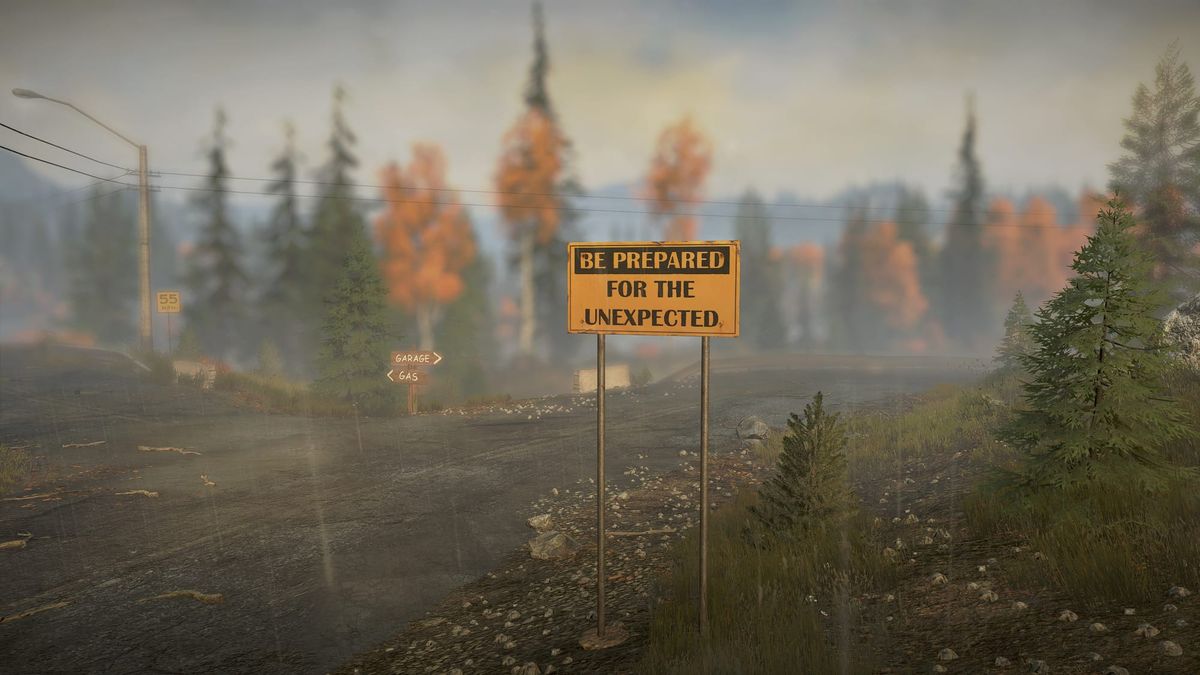
The world of SnowRunner is vast, indifferent, and strangely serene. Players navigate semi-frozen rivers, collapsed bridges, fog-choked forests, and mountain passes that test both planning and presence. There are no enemies, no ticking clocks, no narrative urgency. The only adversary is the environment itself — and the player’s own rigidity.
This makes SnowRunner a study in containment. The world feels expansive yet predictable; risk is ever-present but never chaotic. Players can zoom out, study the map, and know that every obstacle, no matter how punishing, can eventually be overcome with the right tools and patience.
That balance — between vastness and order — makes it particularly resonant for therapy. It offers a model of safe challenge: a space where uncertainty can be approached, not avoided. The mud may pull you under, but the world will not collapse. You can always recover, refuel, repair, and try again.
Core Gameplay Loop
At its heart, SnowRunner follows a simple rhythm:
Plan. Execute. Get stuck. Adapt. Continue.
The game rewards forethought — choosing the right tires, packing extra fuel, selecting a winch point — but it also demands improvisation when plans fail. Every session becomes a dialogue between intention and reality.
Core activities include:
- Route Planning: Studying maps, plotting paths, and identifying resources before departure.
- Vehicle Management: Selecting trucks and upgrades suited for specific terrains and tasks.
- Environmental Navigation: Reading the texture of mud, ice, and snow to maintain traction.
- Recovery Operations: Using winches, cranes, and towing to retrieve stuck vehicles.
- Exploration and Scouting: Uncovering watchtowers to reveal new regions of the map.
Each loop of “move, sink, recover” mirrors therapeutic work — slow, effortful progress punctuated by setbacks that teach regulation, flexibility, and persistence. Clients can externalize the experience of emotional overwhelm: the harder you fight the mud, the deeper you sink; the more gently and deliberately you move, the freer you become.
Character Study: The Driver
Unlike many games, SnowRunner has no protagonist in the narrative sense. The player is both driver and system — anonymous, pragmatic, alone. That anonymity invites projection. The driver becomes anyone learning to navigate life under pressure, carrying too much weight through unpredictable terrain.
Therapeutically, this absence of identity can be grounding for clients who feel scrutinized or self-conscious. The driver’s silence leaves space for reflection. Each mission is purposeful but never urgent, creating a sense of agency without exposure. Clients who associate mistakes with shame can find comfort in the driver’s neutrality: you can tip a truck, restart, and continue without judgment.
The driver’s quiet persistence models a kind of self-leadership — not heroic, but steady. Progress depends not on charisma or luck but on method, attention, and patience.
Game Systems as Metaphor
1. The Map – Executive Function and Anticipation
The map is safety for the anxious mind. It allows planning, sequencing, and visualization — the cognitive scaffolding of executive function. But SnowRunner ensures that even the best plan encounters surprise. Players learn that planning isn’t about prediction; it’s about readiness.
Therapeutic Parallel: Clients can explore how over-planning offers temporary relief but can also limit flexibility. Therapy becomes the act of scouting ahead while staying open to change.
2. The Mud – Emotional Regulation
Mud is everywhere, dynamic and deceptive. It looks solid until it isn’t. In therapy, mud mirrors emotional overwhelm: resistance deepens the struggle.
Therapeutic Parallel: Clients can practice slowing down, noticing tension, and responding with strategy rather than force. Regulation becomes traction — steadying the system so movement is possible.
3. The Winch – Coping Tools and Support Systems
The winch is SnowRunner’s great equalizer. When the vehicle bogs down, a single cable attached to a nearby tree or truck can pull it free.
Therapeutic Parallel: The winch symbolizes coping mechanisms and external supports — therapy, community, grounding skills. Players learn that autonomy doesn’t mean doing everything alone; progress often requires connection.
4. The Watchtower – Exposure and Expansion
Each region begins hidden by fog. Reaching a watchtower reveals new terrain, unlocking missions and routes.
Therapeutic Parallel: Watchtowers mirror gradual exposure. As clients venture into the unknown and tolerate uncertainty, new paths become visible. Anxiety recedes as the world becomes known through experience.
5. The Recovery Function – Self-Compassion and Restarting
When a truck flips or becomes irretrievably stuck, players can recover it to the garage. There’s no penalty — just another chance.
Therapeutic Parallel: Recovery normalizes starting over without shame. It models repair over punishment, self-compassion over self-criticism.
Why SnowRunner in Therapy
SnowRunner transforms control from a defensive posture into a skillful art. It externalizes the invisible labor of regulation, executive functioning, and emotional endurance. Its world rewards care and curiosity over speed or dominance, teaching that mastery is less about strength and more about patience.
For therapists, it provides a safe experiential metaphor for clients learning to balance preparation with adaptability, autonomy with support, and persistence with rest. Each stuck moment becomes an opportunity to ask, What tool helps here? What would traction look like right now?
Its therapeutic strengths include:
- Anxiety and Control Work — practicing flexible control and tolerating uncertainty.
- Executive Function and Planning — sequencing, prioritizing, and adapting goals.
- Perfectionism and Shame — reframing mistakes as process, not failure.
- Trauma and Regulation — safe exposure to stress and recovery cycles.
- Patience and Self-Compassion — redefining progress through persistence, not speed.
SnowRunner teaches that progress through difficulty isn’t a sign of weakness; it’s the essence of resilience. The mud doesn’t punish you for slowing down — it demands that you learn how.
Part II: Therapy Applications
Anxiety, Control, and the Map
The Cartography of Safety
In SnowRunner, the map is both compass and comfort. Every anxious mind understands that impulse—to try to know the terrain before moving. The game validates that instinct but gradually stretches it. Players can plan every route, but the world will still surprise them. A flooded bridge, a fallen tree, a rut that looked solid.
Therapeutically, this gentle unpredictability allows clients to rehearse flexibility in a controlled environment. They learn that structure and adaptability can coexist. The map becomes a metaphor for planning without perfectionism—a visual reminder that knowing where you are is enough, even if you don’t yet know how to get there.
Therapy Use
- Planning as Regulation: Encourage clients to plan routes with care, then notice the physical sensations of safety that come from structure. Discuss how planning calms the nervous system but can also become avoidance.
- Unexpected Obstacles: Ask clients to intentionally follow a route that fails. Reflect on their emotional reaction when the plan no longer works.
- Adaptive Control: Explore how flexibility feels in the body. Does uncertainty activate tension, or curiosity?
Practice Prompt
“When the road you planned becomes impassable, what helps you stay calm enough to find another way?”
Section 5. Executive Function and the Logistics of Progress
Planning as Therapy
Success in SnowRunner depends on sequencing, organization, and problem-solving—core elements of executive function. You must select the right vehicle, prepare for contingencies, and coordinate multiple deliveries across vast regions. Every task demands prioritization and delayed gratification.
For clients with ADHD, trauma-related executive dysfunction, or burnout, this gameplay provides an external structure for practicing these skills. The game rewards methodical thought without judgment or urgency. Mistakes simply reroute you; they never erase progress.
Therapy Use
- Task Breakdown: Use cargo missions as metaphor for breaking overwhelming goals into manageable steps.
- Working Memory Practice: Have clients keep mental or written notes of route details, encouraging attention and sequencing.
- Sustainable Pace: Discuss how slowing down or taking smaller loads parallels pacing in real-life task management.
Practice Prompt
“How does progress feel when you slow down and focus on one delivery at a time instead of the entire map?”
Perfectionism, Shame, and the Gentle Art of Getting Stuck
When Effort Feels Like Error
SnowRunner dismantles the illusion that doing everything right prevents failure. Even perfect preparation can end in a rollover. For clients who equate competence with worth, this is both challenge and liberation. The game reframes mistakes as natural outcomes of engagement, not proof of inadequacy.
Each time a player bogs down or tips over, the recovery process models self-compassion in action: assess, adjust, restart. There’s no moral weight attached to error, only curiosity.
Therapy Use
- Shame Resilience Work: Invite clients to narrate their self-talk after getting stuck. Does frustration turn inward or outward? Can they reframe “failure” as information?
- Repetition as Exposure: Encourage repeated recovery attempts without resetting the game. Reflect on the emotional tolerance built through persistence.
- Compassion Through Tools: Identify which “winch” tools—supports, coping skills, humor—help them recover both in-game and in life.
Practice Prompt
“When the mud pulls you down, what self-talk helps you keep trying instead of quitting?”
Regulation and Frustration Tolerance
The Body Learns the Terrain
Few games require as much patience as SnowRunner. Each mission demands slow, deliberate engagement with tension. Muscles tighten when the truck slides; breath shortens as the tires spin. The game’s steady rhythm creates a real-time feedback loop between thought and body.
Therapists can use this as a form of somatic practice. By observing and naming physical sensations during play—tightness, breath, grip—clients develop awareness of activation and recovery. The game becomes a gentle biofeedback tool for frustration tolerance.
Therapy Use
- Somatic Awareness: Ask clients to pause when they feel frustration rise and name sensations before continuing.
- Regulation Practice: Teach brief grounding techniques (deep breathing, paced exhale) during stressful in-game moments.
- Reflection: Discuss how the body’s recovery from in-game stress mirrors emotional recovery from real stressors.
Practice Prompt
“How does your body tell you that you’re losing traction—on the road or in your day?”
Trauma, Safety, and Gradual Exposure
The Winch and the Nervous System
For trauma survivors, SnowRunner offers a safe rehearsal of danger and safety. The environment looks harsh—rivers, cliffs, darkness—but it never truly harms you. The body experiences manageable activation without real threat.
The winch becomes a powerful trauma metaphor: a line that connects the self to stability. When panic or overwhelm rises, the player can tether to something solid, pull gently, and regain footing. It’s a visual, tactile way to experience co-regulation.
Therapy Use
- Gradual Exposure: Invite clients to drive routes that challenge comfort zones, noting how anxiety rises and falls.
- Metaphoric Winch Work: Discuss what “anchors” they can attach to in moments of dysregulation—people, routines, mantras.
- Safe Containment: Highlight how recovery is always possible; the garage is always open.
Practice Prompt
“When things feel unstable, where can you anchor yourself until you find traction again?”
Patience, Acceptance, and the Pace of Healing
Progress at the Speed of Mud
SnowRunner refuses to let you rush. Even on paved roads, momentum builds slowly; on mud and ice, it’s nearly still. That slowness teaches a kind of radical acceptance—the understanding that effort matters even when outcomes are delayed.
Clients who equate worth with productivity often find this disorienting at first. But over time, they begin to internalize a new rhythm: slow does not mean stuck. Rest is part of movement.
Therapy Use
- Acceptance Practice: Have clients notice their emotional response to slowness. What narratives arise about efficiency or success?
- Pacing and Burnout Prevention: Draw parallels between fuel management and energy management.
- Values Alignment: Encourage reflection on why the journey matters beyond completion.
Practice Prompt
“When forward motion slows to a crawl, what helps you remember that you’re still moving?”
Meaning, Resilience, and the Long Road
The Terrain as Teacher
Every recovered truck, every rebuilt bridge, every unlocked map expands the player’s world. SnowRunner turns persistence into its own kind of meaning-making. You are never done; you are simply better equipped.
Therapeutically, this aligns with existential and acceptance-based approaches. Life’s terrain doesn’t smooth out — we become more capable of traveling it. The map grows not because it changes, but because we do.
Therapy Use
- Values Reflection: Invite clients to define what “the road ahead” represents in their healing.
- Existential Discussion: Explore how purpose can coexist with struggle — how traction often comes from meaning rather than certainty.
- Self-Efficacy Building: Reflect on how mastery develops through repetition and trust in one’s own adaptability.
Practice Prompt
“What has SnowRunner taught you about the kind of driver you are—careful, impulsive, patient, stubborn—and how does that show up in life?”
Part III: Practical Tools
Session Outlines & Use Cases
Each outline follows the same rhythm:
Objective → Setup → In-Game Task → Reflection.
They can be adapted for individual or group therapy, telehealth or office-based play.
The goal is not improved driving skill but embodied learning—using the game to explore control, patience, and adaptability.
1. The Stuck Truck – Shame Resilience and Self-Compassion
Objective: Normalize failure, practice recovery without self-criticism.
Setup: Choose a known muddy route or a vehicle likely to get bogged down.
In-Game Task: Intentionally attempt the route, allow the vehicle to sink, then use recovery tools rather than restarting.
Reflection:
- What emotions or thoughts arise when you’re immobilized?
- How does using the winch differ from starting over?
- What parallels exist between being “stuck” here and in your daily life?
2. The Route Planner – Executive Function and Adaptability
Objective: Strengthen planning, sequencing, and cognitive flexibility.
Setup: Present a complex delivery mission requiring multiple cargoes or refueling stops.
In-Game Task: Have the client outline their plan aloud, execute it, then adapt when conditions change.
Reflection:
- What part of planning feels soothing? What feels rigid?
- How did you decide when to revise the plan?
- Where in real life do you over-plan to feel safe?
3. The Winch Line – Connection and Support
Objective: Explore interdependence, trust, and help-seeking.
Setup: Position one truck to assist another that’s stuck.
In-Game Task: Practice attaching the winch and coordinating the pull.
Reflection:
- What does it feel like to rely on another anchor point?
- When does help feel stabilizing, and when intrusive?
- Who or what functions as your “winch” outside the game?
4. The Fuel Gauge – Energy Management and Burnout Prevention
Objective: Recognize limits and the need for replenishment.
Setup: Begin a long route with limited fuel and distant refueling stations.
In-Game Task: Track consumption and decide when to stop and refuel.
Reflection:
- How do you recognize depletion before it’s critical?
- What does “refueling” look like emotionally?
- How do you differentiate rest from avoidance?
5. The Fog Lift – Anxiety and Gradual Exposure
Objective: Practice curiosity in the face of uncertainty.
Setup: Enter an unexplored map section covered in fog.
In-Game Task: Scout new terrain at a slow, steady pace, revealing watchtowers.
Reflection:
- How does your body react when the map is unknown?
- What helps you tolerate not knowing what’s ahead?
- What parts of your life remain “fogged out,” and what would it take to explore them?
6. The Rollover – Frustration Tolerance and Repair
Objective: Reframe mistakes as opportunities for problem-solving.
Setup: Use a heavy load or difficult slope prone to tipping.
In-Game Task: When the truck flips, avoid resetting immediately; assess how to recover.
Reflection:
- What is your first impulse after a crash—fix, quit, blame?
- How did your emotions shift once you found a recovery plan?
- Where else could you apply that patience?
7. The Bridge Build – Goal Setting and Values
Objective: Link short-term effort with long-term purpose.
Setup: Choose a mission requiring construction materials to rebuild a bridge.
In-Game Task: Complete deliveries in stages, observing incremental progress.
Reflection:
- What kept you motivated during slow progress?
- How does completing infrastructure mirror rebuilding after hardship?
- What “bridges” are you constructing in your own life?
8. The Night Drive – Mindfulness and Grounding
Objective: Cultivate calm focus under low visibility.
Setup: Drive a route at night or during a storm.
In-Game Task: Encourage quiet observation—engine sounds, headlights on mud, rhythmic movement.
Reflection:
- Which sensations anchor you?
- How does attention to rhythm affect your stress level?
- Where can you find similar focus outside the game?
9. The Garage Return – Recovery and Rest
Objective: Normalize rest as integral to progress.
Setup: After a demanding mission, drive back to the garage instead of fast-traveling.
In-Game Task: Reflect during the calm return journey.
Reflection:
- What emotions arise when the task is done? Relief, pride, emptiness?
- How do you know it’s time to stop and rest?
- How might intentional closure support recovery after effort?
Session Focus Summary
Prompts & Worksheets
Each worksheet provides a metaphorical exercise connecting gameplay to therapeutic themes.
1. The Mud Journal
Prompt: The mud teaches patience and regulation.
Task: After each session, describe one moment of being stuck—what happened, what emotions surfaced, and how you recovered.
Reflection Questions:
- How did you know you were stuck before movement stopped?
- What helped you regain traction?
- How does this mirror emotional overwhelm in life?
2. The Winch Map
Prompt: Every driver needs anchor points.
Task: Draw a map marking your reliable “winch points”: people, skills, routines that pull you out when you’re bogged down.
Reflection Questions:
- Which anchors feel strongest right now?
- Are there new ones you’d like to cultivate?
- What happens when you forget to use them?
3. The Fuel Log
Prompt: Energy management is self-care in motion.
Task: Track daily “fuel levels” (1–10) for energy, focus, and patience.
Reflection Questions:
- What depletes fuel fastest?
- What kinds of refueling restore you most effectively?
- How can you notice early warning signs of burnout?
4. The Route Sketch
Prompt: Progress is planned in pencil.
Task: Outline one short-term goal as a route: starting point, obstacles, checkpoints, and rest stops.
Reflection Questions:
- Where might detours appear?
- How can flexibility protect your momentum?
- Who can you call when the road washes out?
5. The Rollover Report
Prompt: Mistakes are data, not defeat.
Task: Record a recent “rollover” moment—gameplay or real life—detailing what led up to it and what you learned in recovery.
Reflection Questions:
- What patterns contributed to imbalance?
- What new strategies emerged afterward?
- How can this inform future resilience?
6. The Bridge Blueprint
Prompt: Building takes time and repetition.
Task: Draw a bridge with labeled beams for supports you’re strengthening—skills, habits, relationships.
Reflection Questions:
- Which supports need reinforcement?
- Where are you still under construction?
- How does collaboration strengthen stability?
7. The Patience Meter
Prompt: Traction takes time.
Task: After each play session, rate patience before, during, and after. Note what influenced each shift.
Reflection Questions:
- What stories do you tell yourself about speed and worth?
- How can slowing down feel like control, not loss?
- What rituals help you reset mid-frustration?
8. The Fog Chart
Prompt: Fear thrives in uncharted spaces.
Task: List three areas of uncertainty in your life. For each, identify one “watchtower” action that could bring clarity.
Reflection Questions:
- What would happen if you scouted just a little farther?
- How can curiosity coexist with caution?
- What fogs lift when you act instead of avoid?
9. The Recovery Ledger
Prompt: Every return to the garage is progress.
Task: Create two columns: “Moments of Setback” and “Ways I Recovered.”
Reflection Questions:
- Which recoveries relied on others?
- How did rest play a role?
- What patterns show your resilience?
10. The Compass of Values
Prompt: The road never ends; direction matters more than destination.
Task: Draw a compass labeling your core values—north, south, east, west.
Reflection Questions:
- When do your actions align with your compass?
- What detours pull you off course?
- Which value will guide your next drive?
Worksheet Overview
Closing Summary: The Road That Teaches
SnowRunner is a meditation on persistence disguised as a driving simulator.
It shows that control is not the opposite of surrender but its companion—the steady hand that adjusts rather than resists. Clients learn that slowing down does not mean giving up, that rest and refueling are part of motion, and that the winch line of support is strength, not weakness.
For therapist and client alike, SnowRunner becomes a terrain of rehearsal: a place to practice getting stuck and getting free, planning and adapting, pausing and proceeding. Healing, like every muddy haul, is a long road—but one that rewards those who keep moving.