The Approval System as Attachment Mirror: What Your Dragon Age Playstyle Reveals About You


How you respond to companion disapproval might say more about you than your actual choices do.
The Notification
You know the moment. You have just made a decision—sided with the mages, challenged someone's worldview, or simply said the honest thing instead of the diplomatic one. The screen displays the notification you were dreading.
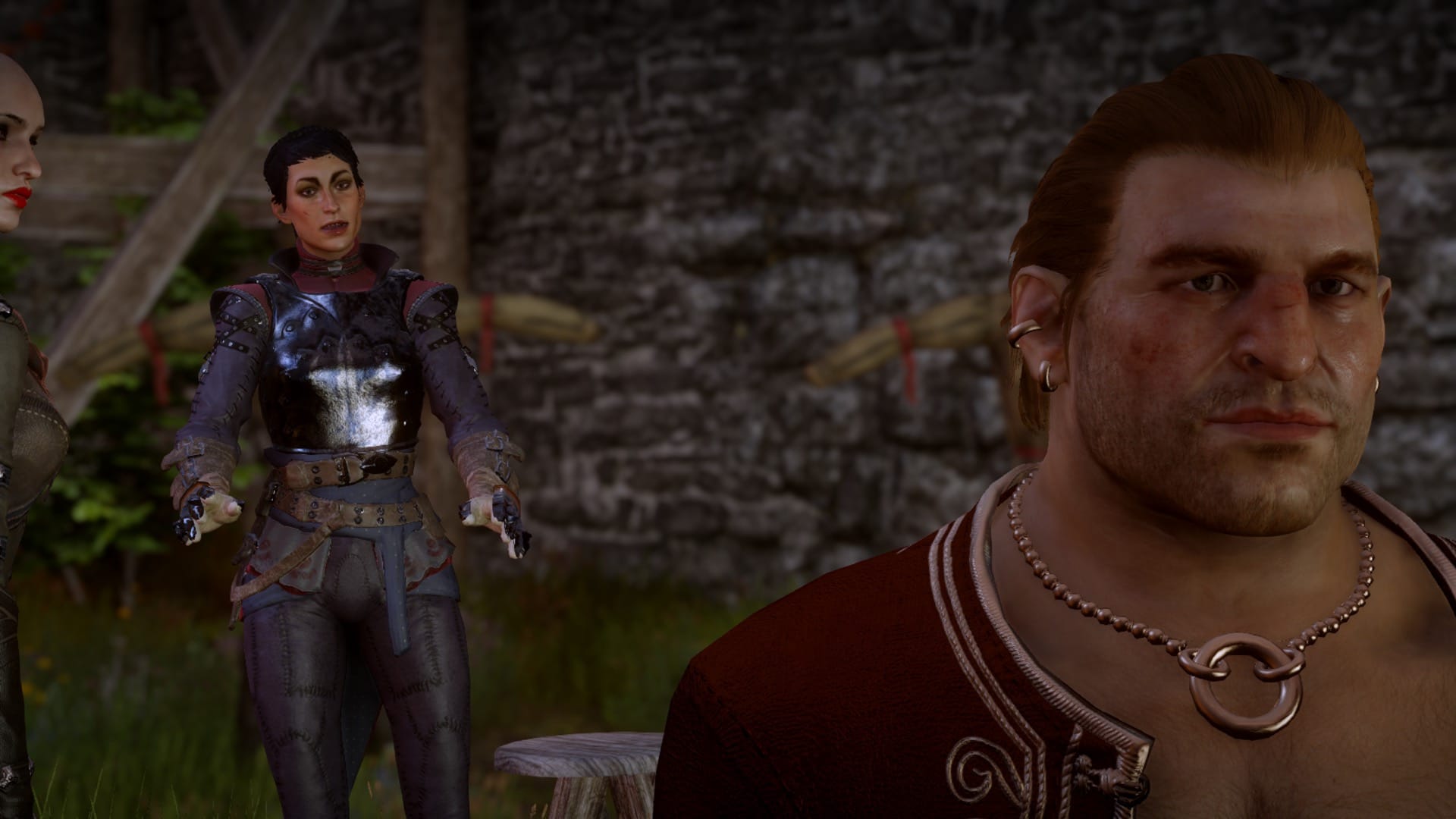
Cassandra greatly disapproves.
And then something happens in your body. A flicker of anxiety. A reflexive reach for the quicksave. A small, irrational sense that you have done something wrong. Not wrong in the game's moral framework, but wrong relationally. Someone is upset with you now. Someone you like. Someone whose approval you had been carefully accumulating.
What you do next reveals something.
The Mirror
Dragon Age's approval system is elegant in its simplicity. Companions watch what you do. They react. Numbers move up or down. Relationships unlock or foreclose based on accumulated weight.
BioWare didn't invent this to teach you about yourself. They invented it to create stakes, to make companions feel real, to reward attentiveness. But the system does something else, almost by accident. It creates a relational simulation with just enough fidelity to activate your actual attachment patterns.
The game asks, over and over again: What will you do when someone disapproves of you?
And you answer. Hundreds of times across a single playthrough. Often without noticing that you are answering the same question each time.
A Brief Word on Attachment
Attachment theory began with John Bowlby's observation that human infants are hardwired to seek proximity to caregivers. Survival depends on it. We don't enter the world capable of meeting our own needs, so we develop strategies, patterns of behavior designed to keep our attachment figures close and responsive.
Mary Ainsworth's research gave us the categories that have since become cultural shorthand: secure, anxious, avoidant, disorganized. These are not personality types, they're adaptations. Strategies that made sense in the relational environment where they developed.
A child whose caregiver responds consistently learns that relationships are safe. Distress can be expressed because comfort will follow. This child develops secure attachment, not because they are lucky or good, but because their environment allowed it.
A child whose caregiver responds inconsistently—sometimes attuned, sometimes absent, sometimes overwhelmed—learns to amplify distress signals. Anxiety becomes a strategy. If you cry louder, maybe this time they will come. This is anxious-preoccupied attachment.
A child whose caregiver is reliably unavailable or dismissive learns to suppress attachment needs altogether. Self-reliance becomes the safest option. This is dismissive-avoidant attachment.
And a child whose caregiver is frightening—or frightened—faces an unresolvable paradox. The source of safety is also the source of threat. These children develop disorganized or fearful-avoidant attachment, cycling between approach and withdrawal without a coherent strategy.
These patterns don't stay in childhood. They follow us into adult relationships, shaping how we respond to intimacy, conflict, and the threat of disconnection. They operate largely outside conscious awareness, encoded in the body and nervous system long before we had language to describe them.
They also, it turns out, follow us into Dragon Age.
Internal Working Models and the Approval Bar
Bowlby introduced the concept of internal working models—mental templates that shape how we interpret relational information. These models contain beliefs about the self (Am I worthy of love?) and beliefs about others (Are people reliable? Safe? Likely to leave?).
Internal working models act as filters. Two people can experience the same relational event and interpret it completely differently based on the template they are running.
Dragon Age's approval system is remarkably good at activating these templates. The notification that a companion disapproves is, objectively, a small piece of information. A number decreased. A fictional character's algorithm shifted.

But the nervous system doesn't always know the difference between real and simulated social threat. The same internal working model that tells you disapproval means danger in your lived relationships can fire when Cassandra frowns at your choice to conscript the mages.
This isn't a flaw in your reasoning. It's the pattern doing what patterns do; running automatically, beneath conscious thought, trying to keep you safe based on what it learned long ago.
The Archetypes
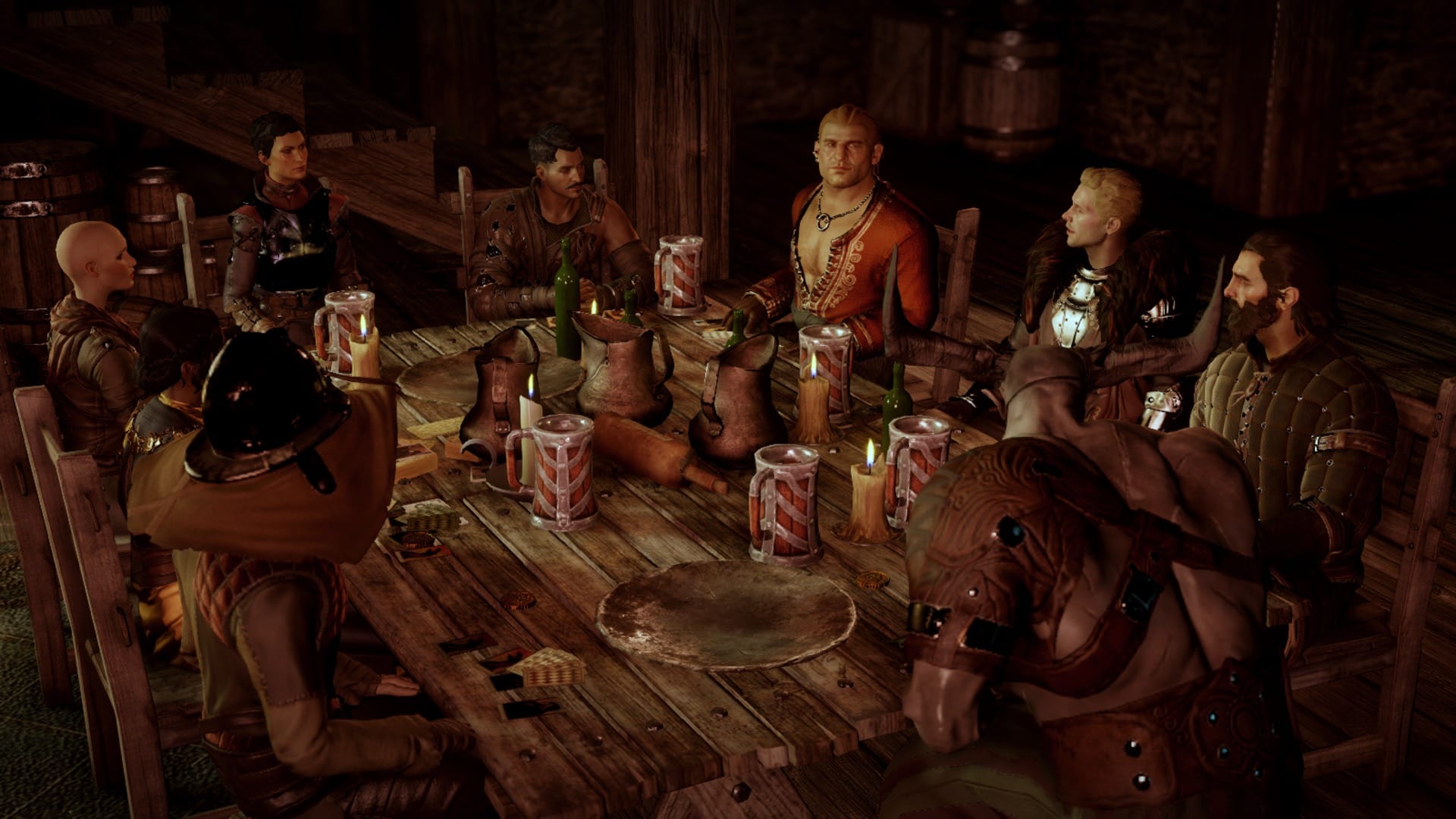
These are not clinical categories. They're patterns, ways of engaging the system that echo how we engage relationships when approval is on the line.
The Optimizer
You look up approval guides. You know which gifts each companion wants. You reload when a conversation goes wrong, not because you failed a quest but because Cassandra's disapproval felt like a bee sting you could not tolerate.
The Optimizer wants harmony. Everyone at high approval. No one upset. The cost of this is self-erasure. You stop making choices based on your values or your character's arc and start making choices based on what will keep the emotional temperature stable.
In attachment terms, this pattern often aligns with anxious-preoccupied attachment. The vigilance is familiar: scan for signs of displeasure, adjust behavior to maintain closeness, treat any dip in approval as a crisis requiring immediate intervention.
The underlying belief is something like: If someone is unhappy with me, the relationship is at risk. I must fix this now. The Optimizer has learned, somewhere along the way, that disapproval is a precursor to abandonment. The approval bar becomes something to monitor the way a child monitors a caregiver's mood—constantly, anxiously, looking for early warning signs.
In life, this pattern has another name: people-pleasing. It is exhausting and effective, at least in the short term. The cost accumulates slowly. You become skilled at reading others and unskilled at knowing yourself.
The Loyalist
You pick your people—Dorian and Iron Bull, every play through. Alistair since 2009. You make choices that reflect your Warden, your Hawke, your Inquisitor, and you let the approval fall where it may.
If Vivienne disapproves, fine. She is not your person. You are not contorting yourself to win everyone. You can tolerate tension with companions who are not in your inner circle.
The Loyalist has capacity for differentiation, a concept from Murray Bowen's family systems theory that describes the ability to maintain a clear sense of self while remaining emotionally connected to others. Differentiated people can hold their positions without becoming defensive or reactive. They do not need everyone to agree with them to feel secure.
This maps onto secure attachment, though it can also appear in people who have earned security through later relationships or therapeutic work. The Loyalist operates from an internal working model that says: I can be myself and still be loved. Disagreement is not disconnection. Some relationships will be closer than others, and that is acceptable.
Not everyone has to approve. The relationship can hold tension. There's security here, or at least something like it. An ability to stay anchored in your own values while remaining in connection with those who matter most.
The Avoidant
You skip the camp conversations. You don't pursue the romances. Companions are party members, useful for their skills, but you do not need to know about Blackwall's past or Merrill's mirror.
The Avoidant preempts intimacy by declining to engage the system. If you don't invest, disapproval cannot touch you. If you don't learn their stories, you cannot be moved by them.
This pattern resonates with dismissive-avoidant attachment. The strategy is self-reliance, independence, a muted need for closeness. The internal working model often sounds like: I don't need others. Depending on people leads to disappointment. I'm fine on my own.
Dismissive avoidance is a deactivating strategy. It turns down the volume on attachment needs rather than amplifying them. In Dragon Age, this looks like efficiency. Clear the quests, optimize the combat, skip the cutscenes where people talk about their feelings.
This works, in the game. It also works in life, for a while. The cost is the same in both places: you're protected but not connected. And the protection is less complete than it appears. Avoidant attachment is not the absence of attachment needs, it is the suppression of them. The needs remain, unexpressed, often unacknowledged even to oneself.
The Rebel
You pick the hostile dialogue options. You enjoy watching approval drop. You romance someone just to break their heart, or you push every ideological argument to its limit because you are curious what happens when you refuse to be liked.
The Rebel might be counter-dependent—a term for the defensive assertion of autonomy that masks underlying attachment needs. Counter-dependence says: I do not need you. I will prove it by pushing you away before you can leave.
Or the Rebel might be testing something. Attachment theorists call this behavior protest behavior when it appears in anxious attachment--actions designed to provoke a response, to test whether the relationship can survive conflict. Will you still be here if I'm not agreeable? Is this relationship conditional? How bad can I be before you abandon me?
Some of the cruelest choices in Dragon Age function as attachment tests, even if the player does not name them that way. Hardening Alistair. Rival-romancing Anders. Telling Solas that his culture is dead. These choices push against connection to see what the connection is made of.
In life, this pattern often emerges from early environments where love felt conditional or unpredictable. Testing becomes a way of gaining information: Better to find out now if you are going to leave, before I invest more.
The Completionist
You want everyone at max approval. Not just your inner circle—everyone. You are willing to make contradictory choices, to optimize gift-giving, to game the system until every bar is full.
The Completionist cannot tolerate the reality that some relational goods are mutually exclusive. You cannot make Fenris and Anders both happy in the same playthrough without performing emotional acrobatics that have no coherent through-line. The Completionist tries anyway.
This pattern suggests difficulty with what therapists call dialectical tensions—the reality that two opposing truths can coexist, and that choosing one thing often means not choosing another. Life requires these choices constantly. You cannot be everywhere at once. You cannot please everyone. Resources—including emotional resources—are finite.
In life, this looks like enmeshment, codependency, or what some clinicians call the fawn response—a trauma adaptation characterized by merging with others' needs and preferences to maintain safety. The boundaries between self and other blur. Pleasing everyone becomes more important than being anyone.
The Completionist may also be running from a specific fear: that any disapproval, from anyone, confirms an internal belief about being unworthy. If the goal is to silence that belief, then one disappointed companion is one too many.
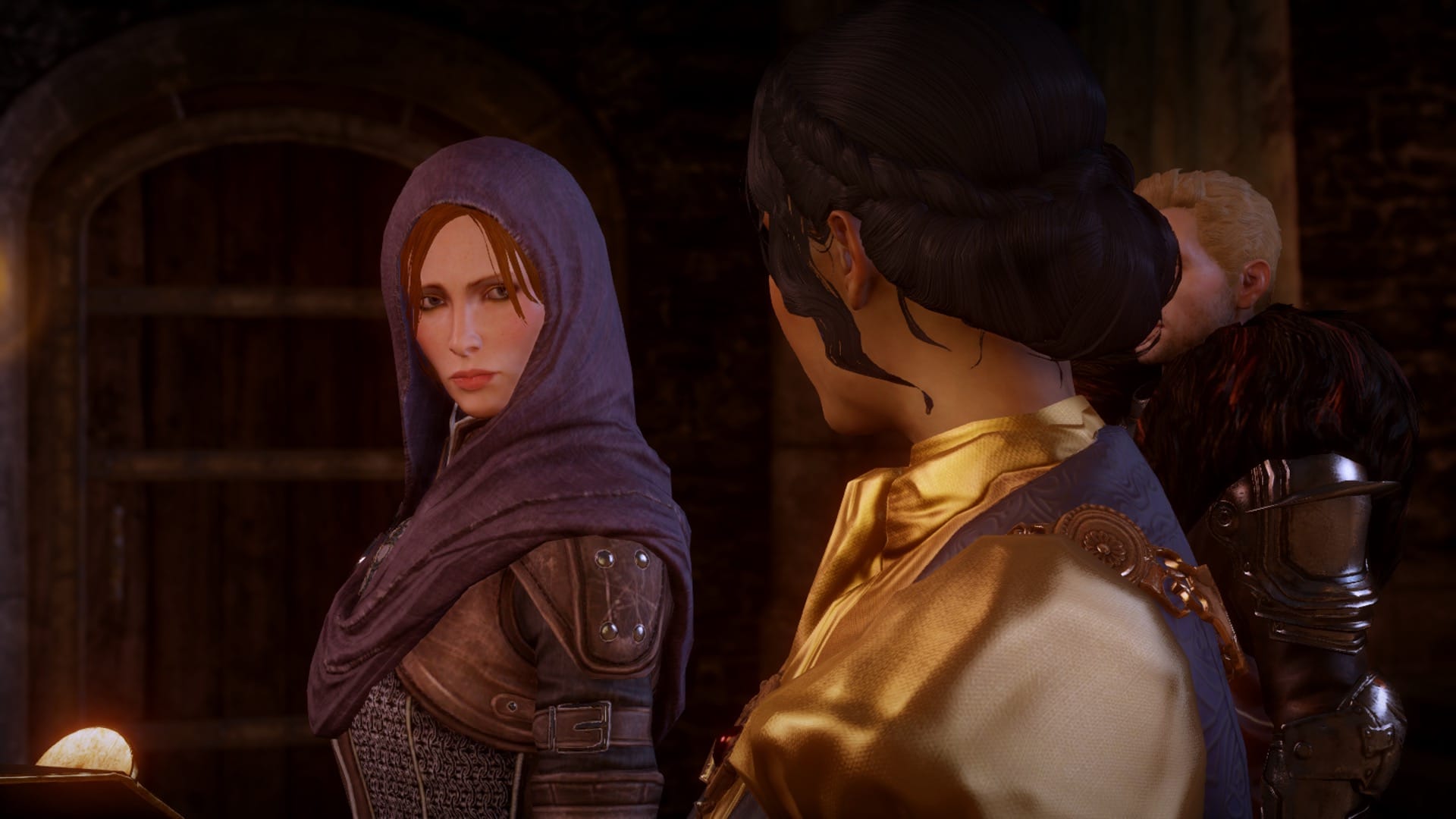
The Nervous System in the Room
When a disapproval notification appears on screen, many players feel their bodies respond—a small spike of anxiety, a flash of irritation, an urge to fix something.
Stephen Porges' polyvagal theory describes how the autonomic nervous system scans constantly for safety and threat, a process he calls neuroception. This scanning happens below conscious awareness. It is fast, automatic, and shaped by past experience.
Social cues are among the most potent triggers for neuroception. A facial expression, a tone of voice, a shift in body language, these register as information about safety before the conscious mind has time to evaluate them. The notification that a companion disapproves is a social cue, even though the companion is made of pixels and code.
For players whose early environments taught them that disapproval precedes danger—punishment, withdrawal of love, unpredictable anger—the nervous system may respond to Fenris's disapproval the same way it responds to a real relational threat. Heart rate increases. Muscles tense. The thinking brain yields to the survival brain.
This isn't weakness or irrationality. It's the body doing exactly what it learned to do. The pattern is trying to protect you.
But the protection may no longer match the situation. Dragon Age is not your childhood home. Cassandra cannot actually hurt you. The approval bar is not your safety. Recognizing the gap between the felt response and the actual stakes is the first step toward something different.
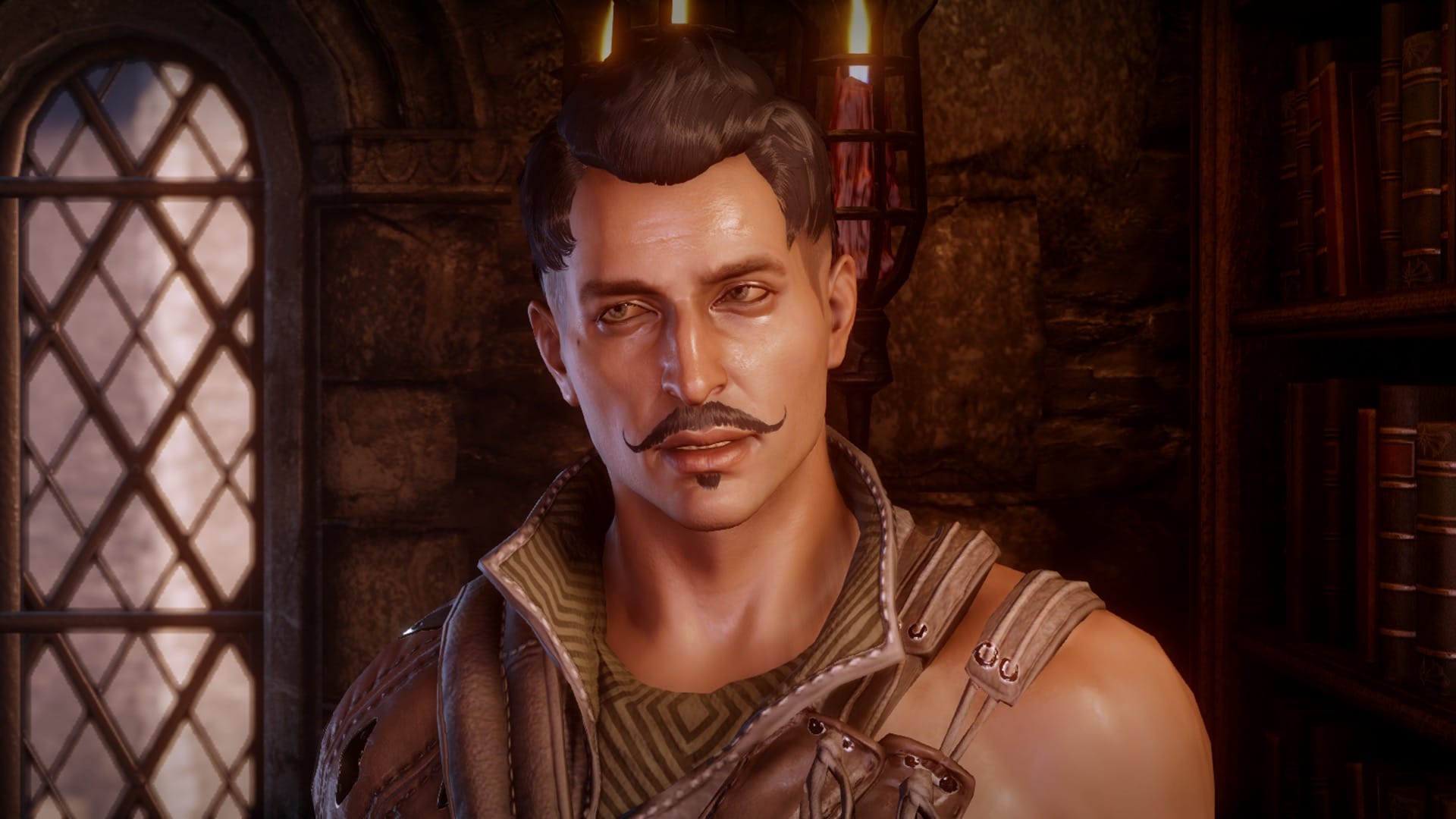
The Moments That Expose You
Dragon Age is full of decisions that force a choice between competing approvals. These are the moments where your pattern becomes visible.
In Origins, the Landsmeet asks you to balance pragmatism against justice. Alistair's feelings hang in the balance. So does the fate of Ferelden. Some players discover, in this moment, that they would rather lose the optimal political outcome than see Alistair's approval drop. Others discover they can tolerate his pain if they believe the choice is right. Both discoveries contain information.
In DA2, the Arishok confrontation can end in a duel if you have enough approval or rivalry with Isabela for her to return. But getting there requires tolerating her disapproval earlier in the act. Players who reloaded every time she was upset may find she is not present when it matters. The game quietly models a truth about relationships: avoiding all conflict does not guarantee good outcomes.
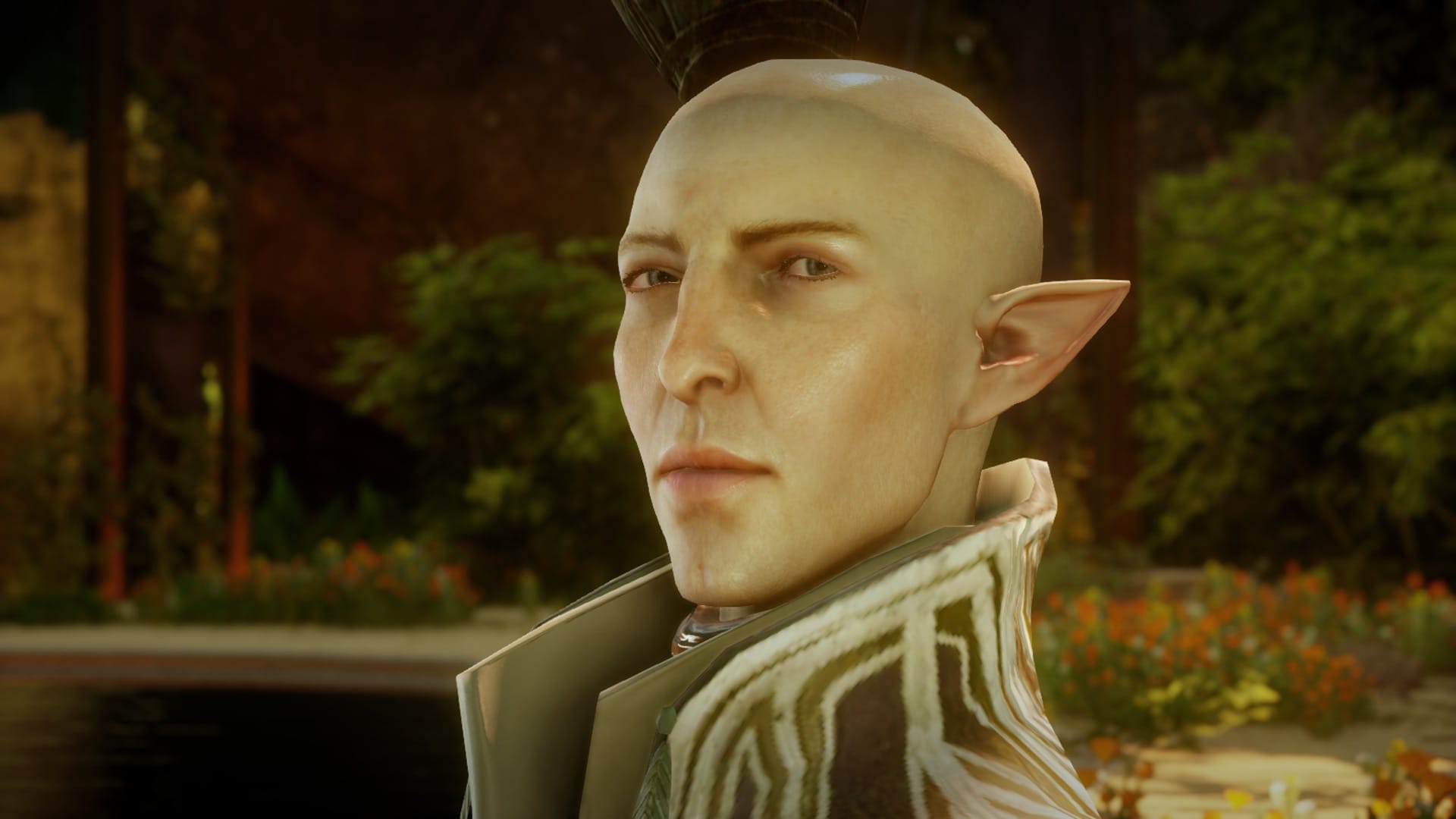
In Inquisition, Solas disapproves of nearly everything that ties the Inquisitor to institutional power or Dalish tradition. Romancing him requires tolerating his judgment, choosing him anyway, letting disapproval coexist with intimacy. Players who cannot bear his frown often abandon the romance for someone easier to please.
Sera presents a different challenge. Her approval logic can feel arbitrary, her disapproval sudden and intense. Players with anxious attachment may find her particularly activating because she doesn't play by predictable rules, and her rejection can feel personal even when it is ideological. Learning to stay in a relationship with Sera, or choosing not to, teaches something about the difference between boundaries and avoidance.
These moments aren't tests of right and wrong. They are tests of relational tolerance. Can you stay in connection while someone is displeased with you? Can you make a choice that reflects your values when the social cost is visible?
Rupture and Repair
Attachment research consistently shows that secure attachment is not built through perfect attunement. It is built through rupture and repair.
Ed Tronick's still-face experiments demonstrated this decades ago. When a caregiver suddenly becomes unresponsive, infants show distress, but when the caregiver returns and re-engages, the relationship recovers. It is the recovery that builds security. The implicit message is: Disconnection happens, and we can come back from it.
Dragon Age models this, imperfectly but recognizably. Approval can drop and climb again. A single disapproval does not end a relationship. DA2's rivalry system makes this explicit—you can build a relationship on disagreement, and the resulting bond is no less real than friendship. It is simply honest about its tensions.
Players who reload at every disapproval never experience the repair. They stay in a simulation of perfect attunement that does not exist in real relationships. The game offers the possibility of rupture and recovery, and the Optimizer refuses it, over and over, without knowing what they are refusing.
The chance to practice repair is part of what makes Dragon Age useful as a relational laboratory. You can let the rupture happen. You can sit with the discomfort. And then you can keep playing, keep talking to the companion, and watch the relationship metabolize the conflict.
This doesn't mean disapproval is meaningless. Some choices do lock you out of content—romances have thresholds, certain quests require certain approval levels. The game has real consequences. But it also has more flexibility than the anxious brain tends to assume.
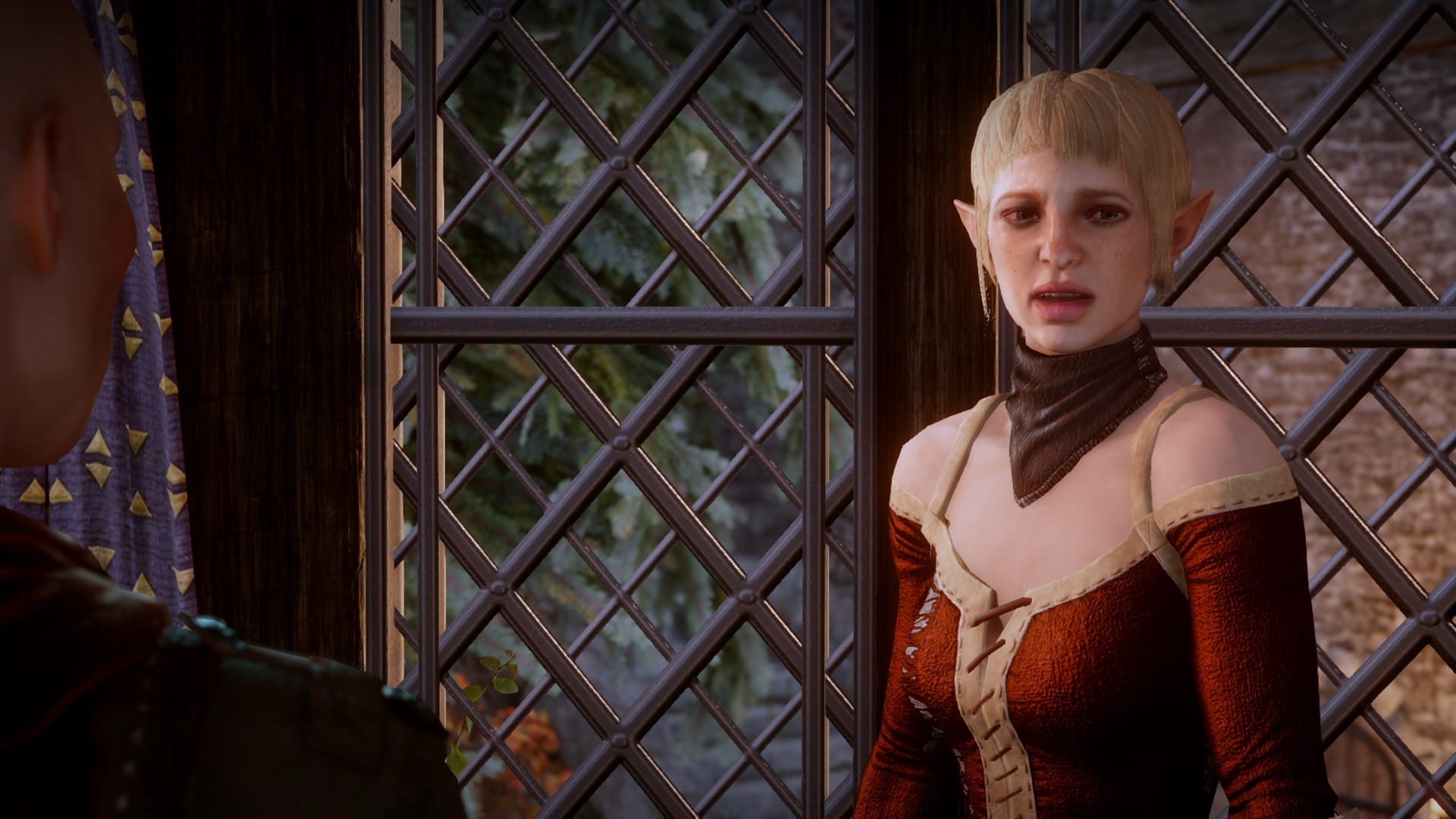
The Practice Space
Here is the reframe: Dragon Age is a laboratory.
The stakes are not real. No one is actually mad at you. Fenris does not exist outside the code that renders his brooding expressions. You can experiment with something you might never try in life.
Let someone disapprove. Don't reload. Notice what happens in your body, the urge to fix it, the anxiety, the pull toward accommodation. And then notice what happens next.
The relationship probably survives. Dragon Age is generous that way. Approval can drop and climb again. Rivalries can become their own form of intimacy in DA2. The game models something true: relationships can hold tension. Disagreement is not abandonment.
If you're a person who reloads at every disapproval notification, try a playthrough where you do not. Make choices based on what your character would do, or what you actually believe, and let companions react. See if you can tolerate the discomfort. Notice whether the feared catastrophe—rejection, loss, the end of the relationship—actually materializes.
If you're a person who never engages the system, try investing. Talk to them at camp. Give the gift. See what it feels like to let a fictional relationship matter. You might discover that intimacy is less dangerous than your internal working model predicted.
If you're a person who tests relationships by pushing them away, try something different. Make the kind choice, even if it feels vulnerable. See if the relationship can hold softness as well as conflict.
The game cannot heal your attachment wounds. But it can make them visible. And visibility is where change begins.
What Your Pattern Is Telling You
This isn't about judgment. Every pattern here is adaptive. You learned it because, at some point, it worked, or it was the best option available.
People-pleasing keeps relationships stable when stability feels like survival. Avoidance protects against rejection when rejection has been devastating. Rebellion asserts autonomy when autonomy has been threatened. The Completionist's enmeshment may have been the only way to stay connected in a family where conditional love was the norm. These strategies make sense in context.
But contexts change. The relationships you are in now may be able to hold more than you think. The approval you are optimizing for may be costing you something you value more. The distance you maintain may be protecting you from a threat that no longer exists.
Dragon Age will not tell you this. The approval system is morally neutral. It simply tracks the numbers and lets you play however you want.
But you can use the mirror it offers. Notice your patterns. Get curious about them. Ask what they are protecting, and whether you still need that protection.
And if you want to try something different, the camp is right there, waiting.