The Gender Journey: Therapist’s Companion Guide

Using Video Games as a Safe Space to Explore Identity
Why Games?
For many clients, particularly those exploring gender identity, the body can feel like contested ground, something that has been interpreted, disciplined, or denied by others. Video games, by contrast, offer a rare form of agency over embodiment. They provide a sandbox where identity can be rewritten, tried on, or expressed without consequence.
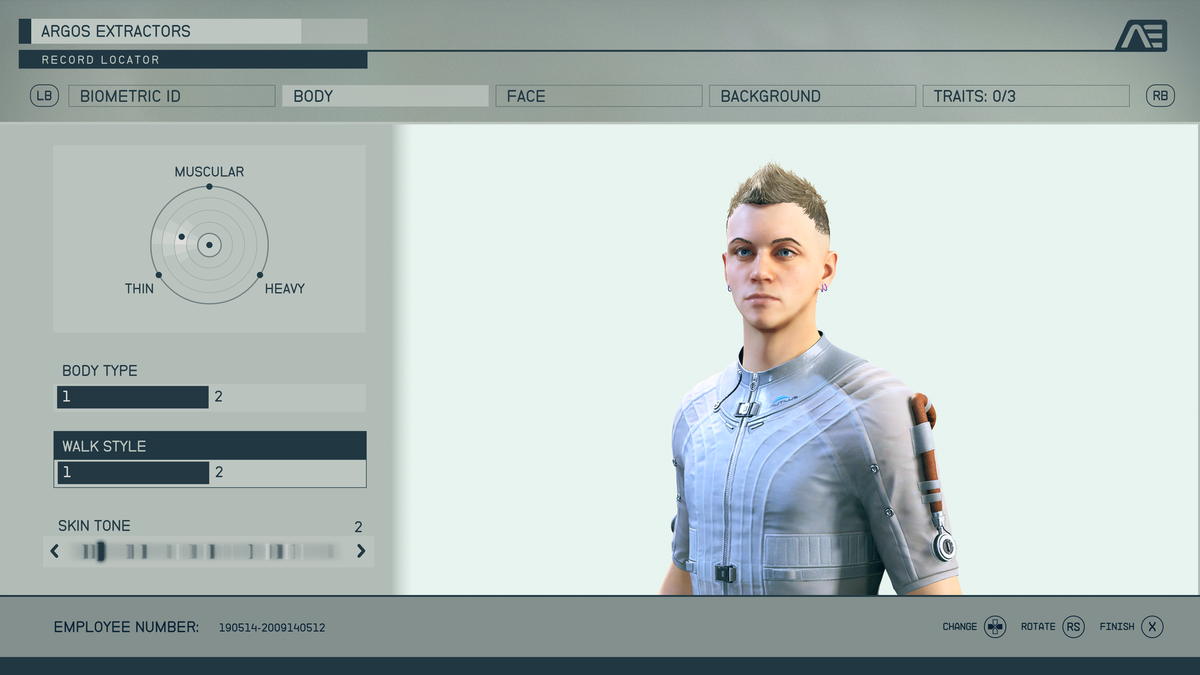
Modern character creators allow players to experiment with appearance, pronouns, voice, and even narrative identity in ways that mirror gender exploration in the real world. Titles like Saints Row (2022), Baldur’s Gate 3, and Dragon Age: The Veilguard let players decouple body type from gender markers, choose pronouns independent of voice, and see that choice affirmed within the story world.
For therapists, this makes games a profoundly flexible medium for identity work. They transform abstract internal experiences such as self-concept, dysphoria, euphoria, and congruence into visual, interactive forms. What might feel too vulnerable to name aloud can be safely expressed through avatar creation, roleplay, and narrative experimentation.
Where traditional therapy relies on talk, games provide touch. The client can sculpt, modify, and move through identity, not just describe it.
Part I: Game Foundations
Section 1. The Role of Play in Gender Exploration
Play is not frivolous. It is rehearsal. In developmental psychology, play allows experimentation without danger. For gender-diverse clients, video games extend that principle into digital embodiment. They make it possible to feel one’s gender rather than merely imagine it.
In character creation, sliders and options become tools of self-reflection. A client might linger on a voice pitch that feels almost right or adjust posture until it matches their sense of confidence. In these moments, identity becomes tactile and immediate.
Therapeutically, this process supports:
- Exploration without exposure. Clients can experiment safely without social risk.
- Somatic rehearsal. The body-as-avatar becomes a proxy for self-image and agency.
- Integration of congruence. Clients can align external representation with internal identity and witness acceptance within the game world.
Guiding prompt:
“When you created your character, what moment felt most like you? What felt furthest from you?”
Section 2. The Spectrum of Representation
Representation in games has moved from symbolic to embodied. Early RPGs offered gender as a binary checkbox. Modern titles approach it as continuum and choice.
Cyberpunk 2077 (2020) promised a future of gender freedom but limited players to binary-coded bodies and voices, reflecting how society often markets inclusion while enforcing constraint. Saints Row (2022) broke that pattern by fully uncoupling body type, voice, and identity, allowing trans and gender-nonconforming players to craft avatars that felt real. Baldur’s Gate 3 and Starfield continued this inclusivity through pronoun systems and non-gendered character interactions. Dragon Age: The Veilguard goes further still, with the protagonist Rook able to explicitly identify as transgender within the story, acknowledged and affirmed by the world.
This evolution allows clients to observe their emotional responses to visibility and limitation. The gaps between games, where freedom stops, often mirror real-world systems of control and validation.
Guiding prompt:
“When does a game let you feel recognized? When does it make you choose between parts of yourself?”
Section 3. The Therapeutic Use of Avatar Creation
Character creation can function as a digital mirror exercise. It externalizes self-perception, revealing what feels comfortable or dissonant.
Therapeutic applications include:
- Narrative Identity Work: Clients can explore alternate versions of self through roleplay, experimenting with pronouns, mannerisms, or visual traits that feel affirming.
- Exposure and Desensitization: For those experiencing gender dysphoria, customizing avatars can serve as gentle exposure to seeing a self-congruent body, allowing positive emotional association to grow through repetition.
- Euphoria Tracking: Therapists can help clients identify moments of gender euphoria such as recognition, pride, or belonging during play. These can become reference points for real-world coping and self-acceptance.
Practice prompt:
“Describe your favorite character you’ve ever created. What about them feels safe, right, or exciting? What feelings arise when you look at them move or speak?”
Section 4. Narrative Roleplay and Story Agency
In single-player RPGs, choices define not only the outcome but the protagonist’s moral and social identity. For trans and gender-expansive players, this agency can mirror real-life processes of self-determination: deciding how to be seen and how to respond to others’ perceptions.
Games that acknowledge the player’s identity in dialogue, such as Baldur’s Gate 3 or The Veilguard, can help clients process experiences of social recognition or misgendering. Even when games fail to affirm, those absences can be therapeutically valuable, providing a contained setting to process invalidation safely.
Therapeutic insight:
- Roleplay lets clients test voice and boundaries.
- Repeated affirmation through NPC dialogue can reinforce internal congruence.
- Player agency models the real-world power to choose how one’s story unfolds.
Guiding prompt:
“When your character was recognized or misrecognized, how did it feel? What does that reveal about how you want to be seen outside the game?”
Section 5. The Safe Sandbox
Unlike social environments that demand performance, most single-player games provide controlled exposure, a world that reacts predictably and safely. This makes them ideal for clients learning self-acceptance without fear of rejection.
Therapists can use this to build psychological safety around embodiment. Clients can explore appearance, name, or pronoun use within the game, reflect on emotional responses, and gradually generalize that comfort to real life.
Example application:
- Warm-Up Exercise: Have the client create or revisit an avatar that feels most like their true self. Ask them to play for ten minutes while noting body sensations such as tension, relaxation, joy, or dysphoria.
- Reflection: Discuss what parts of that experience felt grounding or affirming, and what resistance arose.
Guiding prompt:
“What does safety feel like in this world, and how can you build that feeling elsewhere?”
Part II: Therapy Applications
Using Games to Support Gender Exploration and Affirmation
Section 6. Grounding and Regulation
The Body as Safe Territory
For clients exploring gender identity, embodiment can carry both longing and distress. Video games offer a contained world where the body can become familiar again. Creating and controlling an avatar provides structure, predictability, and agency. The sensory qualities of play—music, motion, rhythm, and environment—can regulate arousal and support grounding during moments of dysphoria or anxiety.
Games with open exploration, gentle soundscapes, or rhythmic mechanics allow clients to reconnect with their bodies through safe engagement. When the player moves their avatar with intention, the act of digital embodiment mirrors mindful presence.
Therapeutic Focus:
- Encourages body-based awareness through gentle engagement.
- Creates safe distance between the player and their physical body while maintaining connection.
- Reinforces the ability to self-regulate during emotional or sensory overwhelm.
Practice Prompt: Invite the client to describe moments in a game that feel physically soothing. This might include walking through a quiet landscape, adjusting appearance, or customizing clothing. Discuss how these actions affect breath, posture, or emotional tone.
Sensory Grounding Through Customization
Character creation can become a form of sensory self-regulation. Adjusting colors, clothing, or body proportions engages visual focus and tactile imagination. For clients who experience sensory overload or dissociation, these repetitive, aesthetic tasks offer calm structure.
Therapy Use:
- Encourage clients to use character creation as a mindfulness activity, focusing on color, light, and sound.
- Have clients note which customization options feel grounding and which feel overstimulating.
- Link this awareness to real-world sensory preferences in clothing, self-presentation, or environment.
Practice Prompt: “While designing your character, what details help you feel calm or centered? What sensations in your real life offer that same feeling?”
Repetition and Routine in Play
Many games include daily loops such as tending a base, checking inventories, or returning to safe zones. These predictable cycles mirror therapeutic grounding routines.
Therapeutic Insight:
- Routines in games can restore a sense of control after experiences of chaos or invalidation.
- Structured repetition builds safety through familiarity.
- Therapists can use these loops as metaphors for daily self-care practices.
Practice Prompt: “Which part of your favorite game feels most like a ritual? How could you bring a version of that rhythm into your day?”
Therapist Note: Grounding in games works best when therapists frame play as intentional regulation rather than avoidance. Encourage clients to notice when play feels calming, when it feels numbing, and how to distinguish the two.
Section 7. Identity, Congruence, and Expression
The Avatar as Mirror
For many clients, creating a character who feels congruent with their identity is a first experience of being fully seen. The avatar becomes an externalized mirror of authenticity. In therapy, this can lead to important insights about self-concept, shame, and belonging.
Therapy Use:
- Discuss what it feels like to inhabit an avatar that aligns with inner identity.
- Explore how that congruence contrasts with real-world experiences.
- Identify the emotional signals of recognition, pride, and comfort that accompany play.
Reflection Prompt: “What parts of your character feel most like you, and what parts still feel like performance?”
The Play of Gender
In games, gender can be fluid, expressive, or optional. Players can shift voice, clothing, stance, or pronouns to discover what feels natural. This freedom allows experimentation without risk of social harm.
Therapeutic Insight:
- Experimenting with presentation can uncover hidden or repressed aspects of self.
- Roleplay supports exploration of boundaries, confidence, and authenticity.
- Discussion after play helps translate in-game experiences into real-world self-understanding.
Practice Prompt: “Describe a time when a change in your character’s appearance or voice made you feel affirmed. What did that moment teach you about yourself?”
Embodied Congruence and Emotional Resonance
When players experience gender euphoria in games, their nervous system often responds in real time. Relaxed posture, deepened breathing, and spontaneous joy signal alignment between identity and body image.
Therapy Use:
- Encourage clients to notice these physical cues as evidence of congruence.
- Track recurring moments of euphoria across play sessions to identify emotional patterns.
- Discuss how those same sensations can be cultivated outside of digital spaces.
Reflection Prompt: “When did you feel most at home in your character’s body? What sensations or emotions told you that you were aligned?”
When Games Reinforce Dysphoria
Even inclusive systems can contain triggers. Limited body types, gendered animations, or forced pronouns may evoke shame or frustration. These reactions can serve as opportunities for processing internalized narratives.
Therapeutic Insight:
- Validate distress that arises from exclusion in games.
- Explore the difference between personal inadequacy and systemic limitation.
- Use these experiences to discuss boundaries and the search for affirming environments.
Practice Prompt: “What parts of the game reminded you of being unseen or misread? How can you respond differently when this happens in real life?”
Therapist Note: Encourage clients to treat their avatar as both reflection and experiment. Each design choice becomes data about what feels authentic or safe. Over time, this information helps clarify identity and build tolerance for visibility.
Section 8. Euphoria, Repair, and Meaning
The Joy of Seeing Oneself
Moments of gender euphoria in games often appear quietly: a voice that feels right, a reflection in water, or an NPC using correct pronouns. These moments provide embodied joy that can be revisited at will.
Therapy Use:
- Help clients identify and describe these moments in detail.
- Encourage journaling about emotional and sensory experiences tied to euphoria.
- Translate digital affirmation into real-world language: “What felt good about that moment, and where else can you find it?”
Reflection Prompt: “When your character was recognized as who they are, what happened inside your body?”
The Work of Repair
Games can also surface grief, frustration, or shame about past invalidation. Unlike real life, however, they offer opportunities for immediate repair. A player can re-enter character creation, rebuild, and try again. This process models persistence and compassion toward the self.
Therapeutic Insight:
- Rebuilding an avatar after distress mirrors therapeutic reparenting.
- The ability to recreate reinforces that identity is iterative and self-directed.
- Therapists can highlight this flexibility as evidence of resilience.
Practice Prompt: “When something about your character didn’t feel right, what did you do? How did it feel to adjust and continue?”
Integration and Future Vision
The ultimate goal of using games for gender exploration is not to escape but to integrate. When clients begin to carry the sense of authenticity they feel in-game into their daily life, the digital self becomes a rehearsal for the real one.
Therapy Use:
- Invite clients to imagine what aspects of their avatar they want to bring into their world: posture, confidence, style, voice.
- Discuss potential barriers to expressing those traits safely.
- Create small, achievable steps for bridging digital and physical congruence.
Reflection Prompt: “If you could bring one part of your character into your everyday life, what would it be and why?”
Therapist Note: Euphoria and repair are cyclical. Encourage clients to return to the game world when they need affirmation, and to bring that sense of belonging back into therapy for integration. Games can function as emotional refueling stations where clients remember what being themselves feels like.
Part III: Practical Tools
Facilitating Gender Exploration Through Play
Section 9. Session Outlines and Use Cases
The following outlines are designed to help therapists integrate video games into sessions focused on gender identity exploration, embodiment, and affirmation. Each can be adapted for in-person or telehealth sessions and used for in-session play, reflective discussion, or between-session journaling. The goal is not simply to play but to translate in-game experiences into meaningful self-understanding.
Each outline includes:
- Objective – the therapeutic goal or theme
- Setup – how to prepare the session
- In-Game Task – what the client does during play
- Reflection – processing questions for debrief
1. The Mirror of Self
Objective: To explore how self-perception and visibility affect self-worth.
Setup: Ask the client to open a game with a detailed character creator, such as Saints Row (2022) or Baldur’s Gate 3. Have them design a version of themselves that feels authentic or aspirational.
In-Game Task: Encourage the client to create their character intuitively. No perfection, no overthinking. Then, have them move through the starting environment and observe emotional or physical reactions to seeing the avatar in motion.
Reflection:
- What did it feel like to see yourself moving through this world?
- Which parts of the design felt most authentic?
- Were there moments of pride, discomfort, or neutrality?
- How does the game’s world treat your character, and how does that affect how you feel?
2. Experimenting with Expression
Objective: To build comfort with exploring gender expression and presentation.
Setup: Have the client choose a game with flexible customization and clothing options. Ask them to intentionally experiment with different styles, voices, or animations.
In-Game Task: Invite the client to try on multiple gender expressions through outfits, gestures, or dialogue choices. Encourage them to pause and reflect whenever something feels either deeply right or unexpectedly wrong.
Reflection:
- What changes made you feel powerful, free, or calm?
- Which ones created tension or discomfort?
- How does this relate to how you express yourself in real life?
3. The Safe World
Objective: To identify environments that evoke safety, comfort, and authenticity.
Setup: Ask the client to enter an open-world or story-based game they enjoy and find a location where they feel most grounded or accepted.
In-Game Task: Have the client spend a few minutes simply being in that space. Encourage sensory noticing: light, sound, color, and atmosphere.
Reflection:
- What makes this place feel safe?
- What emotions arise while spending time there?
- Are there people or places in your real life that evoke similar feelings?
4. Euphoria Mapping
Objective: To recognize and record experiences of gender euphoria.
Setup: Ask the client to play a game where they can create or control a gender-congruent avatar. Have them notice and write down moments that elicit joy, relief, or self-recognition.
In-Game Task: During gameplay, the client pauses each time they feel seen or affirmed and notes what triggered it.
Reflection:
- What consistent patterns do you notice in moments of euphoria?
- How does your body respond when you feel seen?
- How might you cultivate similar experiences outside of the game?
5. The Narrative of Recognition
Objective: To process validation and invalidation through in-game dialogue.
Setup: Select a game that includes gendered or customizable dialogue options. Ask the client to pay attention to when NPCs use affirming or misaligned pronouns and how that feels.
In-Game Task: Have the client play through a story segment that involves interpersonal interaction. Encourage them to notice when they feel acknowledged or unseen.
Reflection:
- What emotions surfaced when the game recognized your character correctly?
- How did you react when it did not?
- What does this reveal about your needs for recognition in real life?
6. The Repair Quest
Objective: To use gameplay as practice for compassion and resilience.
Setup: Ask the client to identify a moment in-game that caused frustration or dysphoria, such as limited options or gendered restrictions.
In-Game Task: Encourage them to revisit the situation, make a small adjustment, or create a new version of their character that feels more aligned.
Reflection:
- What did it feel like to start over or correct the experience?
- What does this process teach about repair and patience?
- How can you use this same mindset when rebuilding self-trust?
7. The Embodiment Exercise
Objective: To connect physical awareness with digital embodiment.
Setup: Have the client play a movement-rich or exploration-based game for several minutes while paying attention to posture, breath, and muscle tension.
In-Game Task: Invite them to notice how their body responds when their avatar walks, fights, or explores.
Reflection:
- How does your body feel while you play?
- What changes when your character feels strong or at peace?
- Can you identify any sensations that mirror real-world dysphoria or euphoria?
8. The Future Self
Objective: To help clients imagine and integrate desired traits or identities.
Setup: Ask the client to create a new character that represents their ideal or future self.
In-Game Task: Encourage them to play or roleplay as that version for a brief session, embodying how that character might act, move, or speak.
Reflection:
- What does your future self value or prioritize?
- How does this self respond to the world differently from you today?
- What parts of this version of you already exist in your daily life?
Therapist Note: Let emotion lead before interpretation. These experiences often touch deep layers of identity and vulnerability. Focus on curiosity rather than correction. When clients describe joy, grief, or discomfort, stay close to the sensory and emotional details before exploring meaning.
Section 10. Prompts and Worksheets
The following worksheets translate in-game exploration into tangible reflection tools for clients. They can be used in session, between sessions, or as journaling assignments.
1. The Avatar Reflection
Prompt: Your character is an external version of your inner self.
Task: Draw, describe, or screenshot your favorite character. Write about what feels most authentic about them and what feels aspirational.
Reflection Questions:
- What do you see in them that you wish others saw in you?
- How would your life change if you could live as this version of yourself?
- What does this avatar teach you about who you are becoming?
2. The Euphoria Tracker
Prompt: Gender euphoria can be fleeting and powerful.
Task: Keep a log of every in-game moment that brings joy, pride, or calm recognition. Describe what happened, what you felt, and what part of your identity it affirmed.
Reflection Questions:
- What patterns do you notice in your euphoric moments?
- Which ones feel connected to body, expression, or social recognition?
- How might you create real-life conditions that evoke similar feelings?
3. The Dysphoria Map
Prompt: Discomfort also provides data about identity and needs.
Task: Record in-game experiences that caused discomfort or misalignment. Include emotional and physical reactions and what might have caused them.
Reflection Questions:
- What does this discomfort tell you about your boundaries or desires?
- How can you protect or affirm yourself in similar moments outside the game?
4. The Safety Inventory
Prompt: Safety is both external and internal.
Task: Identify the parts of your favorite game world that feel most secure. Describe the setting, sound, or actions that promote calm.
Reflection Questions:
- What makes these places feel safe?
- What can you recreate in your real life to feel similar safety?
5. The Future Integration Sheet
Prompt: The qualities you express in-game can guide your real-world growth.
Task: List three traits of your in-game self that you want to cultivate outside of play. Next to each, write one small action that moves you toward that trait.
Reflection Questions:
- Which qualities already exist in your daily life?
- What supports will help you embody the rest?
Therapist Note: These worksheets transform digital experimentation into structured reflection. Encourage clients to treat their in-game experiences as emotional data. What feels authentic is often what is most true, and what feels painful often points to unmet needs or unhealed narratives.
Closing Summary
The therapeutic potential of video games lies not in escape but in embodiment. Games allow clients to see and feel versions of themselves that may not yet be visible in the real world. By creating, moving, and being recognized within digital spaces, players learn that authenticity can be practiced.
For trans and gender-expansive clients, this practice is powerful. Each character created, each world explored, becomes a small act of reclamation. Through play, clients rehearse agency, safety, and joy until those experiences become real enough to carry into daily life.
Therapists can guide this process by holding curiosity rather than control, by listening for moments of congruence and celebration, and by naming the courage it takes to keep choosing selfhood in every world, digital or otherwise.