The Map and the Unknown: SnowRunner as an Anchor for Anxiety

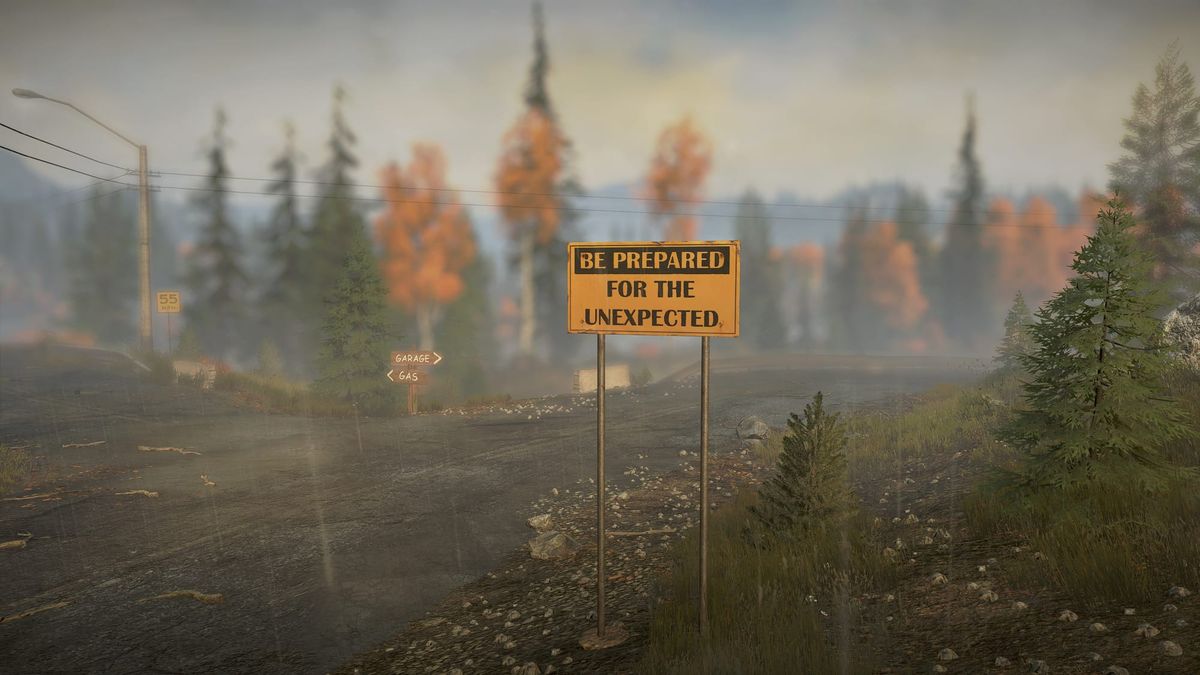
Anxiety, Control, and the Joy of Scouting Ahead
An anxious mind is a strategist. It wakes early to run scenarios, sketch contingencies, and try to outthink disaster before it arrives. In life, that vigilance is exhausting. In SnowRunner, it finally makes sense.
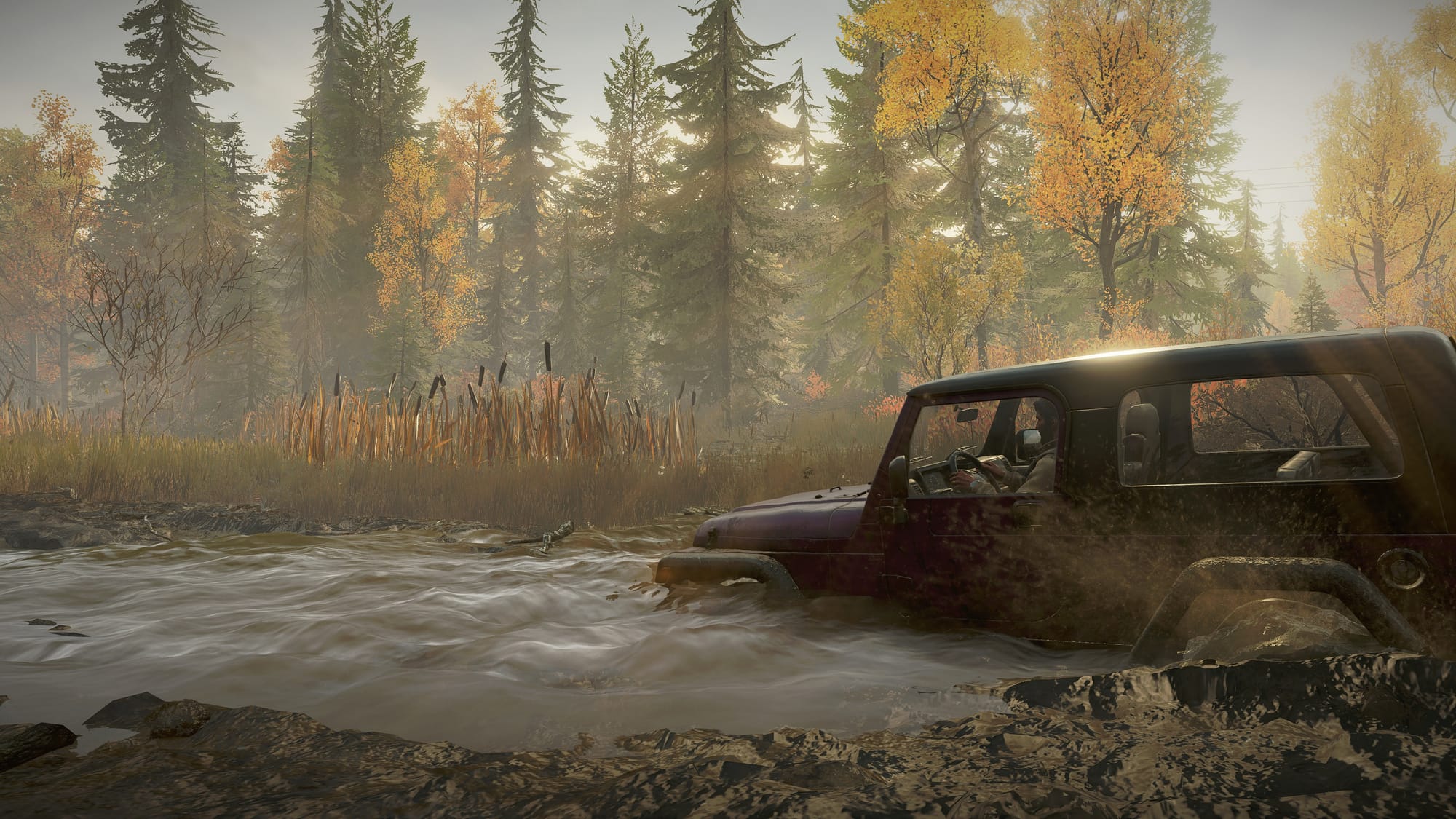
The game begins in the mud. Literally. Every mission demands calculation–which route to take, what vehicle to bring, how much fuel to carry. The terrain looks still but hides a thousand ways to trap you. Progress comes from precision and planning, not speed, from staying calm when everything beneath you shifts.
For players who live with anxiety, that rhythm feels familiar. The difference is that in SnowRunner, the chaos is contained. The stress has borders. You can manage it, measure it, and even master it. The game gives structure to uncertainty–and then, gently, teaches you to survive without it.
When Planning Feels Like Safety
The first thing you do is open the map. It’s a blank sprawl of fog and question marks. Roads vanish into forests, rivers coil into darkness. You can’t move forward until you scout.
So you plan. You zoom in, trace possible routes, mark fuel stations, compare gradients. You imagine worst cases and prepare for them: a winch for the steep climb, a spare tire for the rockslide, extra fuel for the detour you’ll inevitably need. It’s a ritual of control, one that feels soothing to an anxious brain. Every preparation is a small defiance of chaos.
You tell yourself: if I plan enough, nothing can go wrong.
But SnowRunner is patient. It waits for the moment when something inevitably does.
When the Ground Gives Way
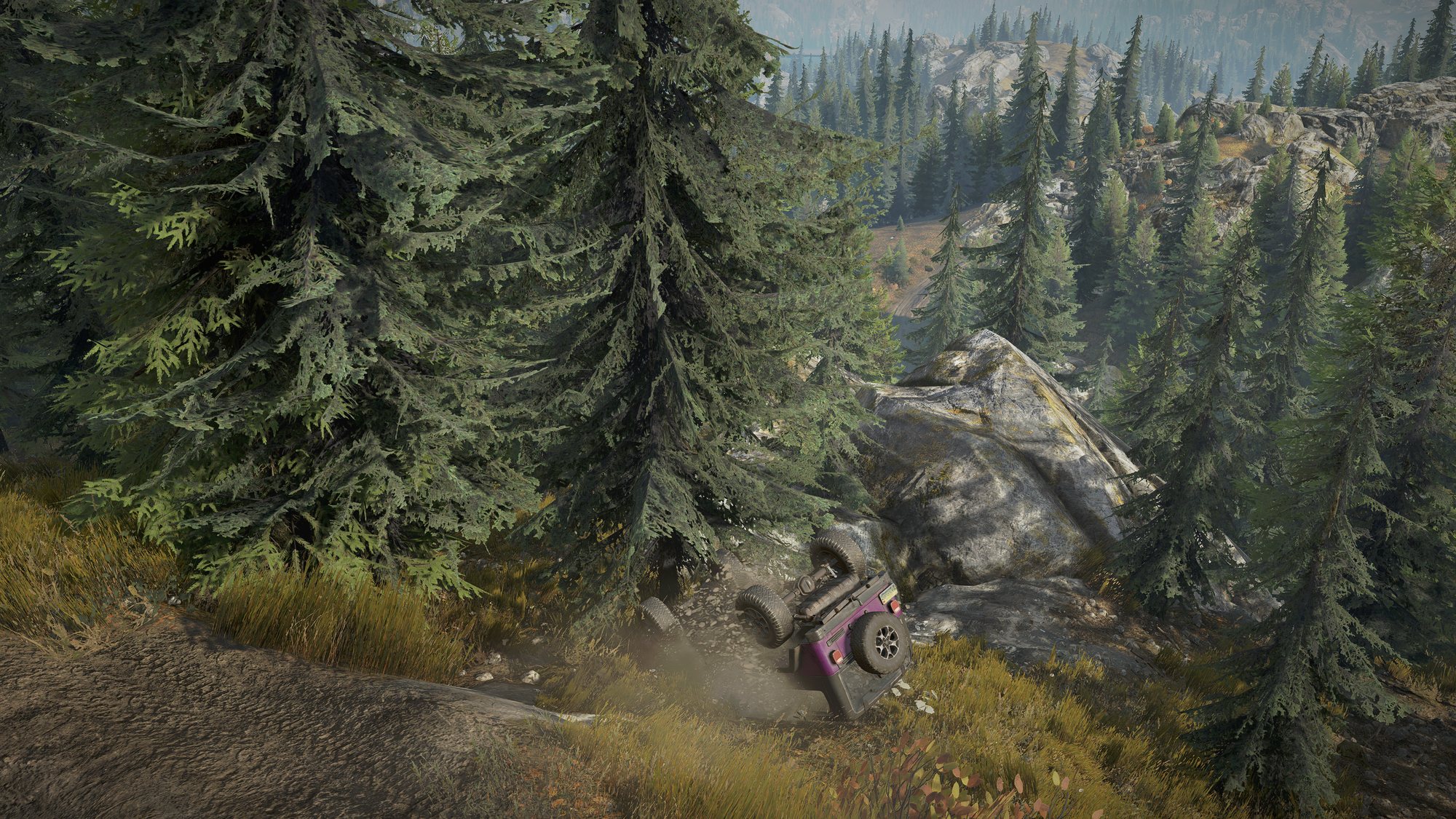
You drive carefully, almost reverently. Every movement is deliberate. You’re following the plan perfectly until–without warning–the mud deepens. The tires spin. The truck tilts. The engine floods.
That first slip hits the body the same way real anxiety does: sudden, visceral, a spike of panic and self-blame. You want to quit. You want to restart. You want to rewind to before the mistake.
But there’s no rewind button here. There’s only recovery.
You learn to stop fighting the mud and start reading it. You reverse a little, shift the weight, angle the tires differently, find a winch point. Slowly, you get unstuck. The game rewards calm, methodical problem-solving–the very skills that anxiety tries to burn out of you.
Over time, you realize that failure isn’t catastrophic here. It’s expected. The terrain is unpredictable by design. You were never supposed to control it completely.
Adaptation as a Form of Safety
The longer you play, the more you stop treating planning as a shield and start treating it as a conversation. You’ll still check the map, but not with the same urgency. You begin to trust your instincts; the texture of the mud, the sound of the engine, the angle of the slope. You plan less to prevent disaster and more to feel prepared for it when it comes.
It's a subtle but powerful shift. Anxiety tells us that safety depends on eliminating uncertainty. SnowRunner teaches that safety can coexist with it. The game’s slow rhythm rewires the nervous system to tolerate unpredictability.
Each successful recovery–every time you pull yourself out of a bog or rescue a stranded truck–reinforces a truth your body might have forgotten: danger isn’t always danger. Sometimes it’s just information.
The Art of Getting Stuck
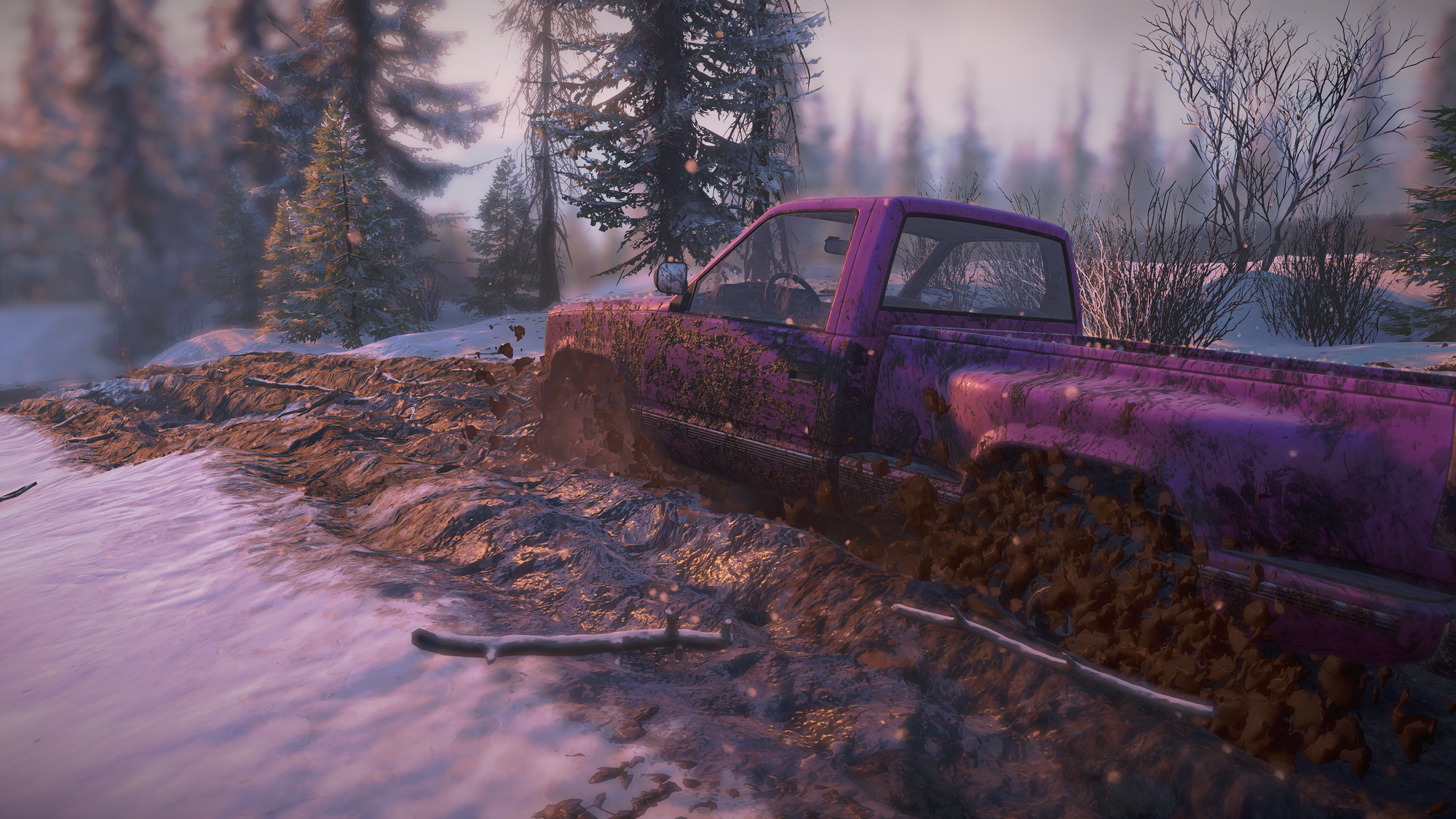
Getting stuck is the most common state in SnowRunner, but it’s also its most meditative. You inch forward, sink, reverse, winch, repeat. It’s frustrating, but it’s also grounding. The work is physical and present. You can’t dissociate your way through it. You have to pay attention.
There’s comfort in that slowness. The game refuses to let you rush. Every mile is earned, every mistake recoverable. For players used to catastrophizing, that’s revolutionary–to see that the worst-case scenario is rarely the end, just another challenge to be solved with patience and creativity.
The Map Stops Being the Goal
Eventually, the map stops being the safety net it once was. You’ve uncovered every watchtower, charted every trail. You know the terrain intimately, where the roads flood, where the cliffs crumble, where the forest opens into plain.
And yet, you keep exploring. You stop checking the map every few seconds. You start trusting the feel of the wheel. The unknown no longer feels like danger. It feels like discovery.
That’s the slow, subtle transformation SnowRunner offers: control becomes confidence, and confidence becomes trust. You don’t need to know every step ahead because you’ve learned that whatever happens, you can handle it.
Learning to Loosen the Grip
For anxious players, SnowRunner becomes a lesson in giving up a bit of control without losing safety. It lets you practice flexibility in a contained, forgiving world. When you tip a truck, you can recover it. When you run out of fuel, you can bring more. The game lets you fail without punishment, something real life rarely does.
That gentleness makes it therapeutic. It’s exposure therapy disguised as logistics. Each time you drive into uncertainty and emerge intact, your body learns that unpredictability isn’t inherently dangerous. You can be cautious without being afraid.
You stop gripping the wheel so tightly. You start enjoying the ride.
The Terrain Within
By the time the last patch of fog clears, the landscape feels less like a map and more like a mirror. You’ve learned your patterns–when you overprepare, when you panic, when you forget to rest. You’ve learned that getting stuck isn’t a failure of skill; it’s a natural part of motion.
In therapy, that same realization can change everything: you don’t have to conquer anxiety, only understand how to move through it. SnowRunner shows you what that can look like: deliberate, patient, sometimes messy but always forward.
The mud never stops trying to pull you down, but you stop fighting it like an enemy. You meet it like an old companion, one you understand now. You know how to find your footing again.