Ugly and Good: Reclaiming the Body in Fable and Beyond

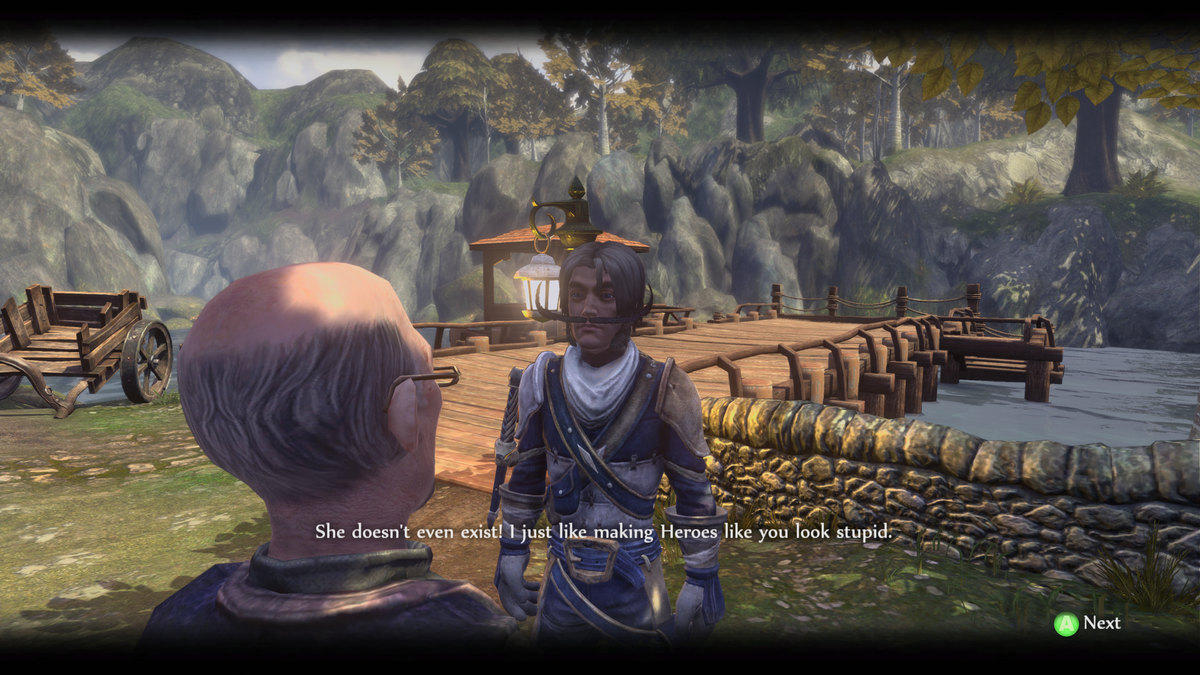
When Morality Wears a Face
When Fable first taught players that goodness glows and evil grows horns, it was easy to take the system at face value. Good acts made you radiant; bad ones marked you. Virtue shone through smooth skin, while vice left scars and shadow. It was charming, cartoonish, and deeply revealing of how fantasy worlds reflect our real ones.
The idea that morality can be seen on the body is ancient. In fairy tales, the beautiful princess is kind, the witch is ugly, the scarred man is dangerous. In countless role-playing games, glowing light means purity, and corruption seeps like ink into the skin. Fable didn’t invent that idea, it inherited it. But it also gave players the rare chance to watch that myth play out in real time, on themselves.
The first time your Fable hero earns a halo, villagers cheer. Strangers call you noble. Shopkeepers offer discounts. The light around your head hums softly, a visible seal of goodness. But as soon as you steal or harm, the glow fades. Your skin dulls, your jaw hardens, your hair begins to fall away. Do enough damage, and horns sprout where the halo once shone. On the surface, it’s a morality mechanic. Beneath it, it’s a lesson in cultural conditioning. Fable links purity to beauty and corruption to deformity, reflecting the same biases that shape real-world hierarchies of appearance. The “good” are slim, symmetrical, radiant. The “bad” are heavy, bald, scarred, and darkened.
The Weight of the Body as Symbol
For many players, especially those who live in bodies the world has marked as “other,” that symbolism can sting. When the game calls fatness gluttony or baldness a sign of evil, it’s not just fiction; it echoes the very real messages we absorb daily about who deserves dignity and who doesn’t.
In therapy, people often wrestle with how the world reads their bodies. Trauma survivors, disabled clients, and those living in larger or visibly different bodies are used to being interpreted. Strangers assume weakness, laziness, anger, or danger based on nothing more than appearance. Games like Fable mirror that dynamic, sometimes unintentionally. They make the body a moral scoreboard. Eat too many pies and your waistline grows, your reputation falls, and the villagers jeer. Wounds become visible scars that lower your “attractiveness” rating. The message is subtle but clear: virtue is not just what you do, it’s how you look while doing it.
For players who have been shamed for existing in non-normative bodies, these mechanics can trigger the same learned self-monitoring that therapy works to undo. They teach vigilance over acceptance, control over compassion. Yet in a therapeutic context, those moments can also be reclaimed. They expose the bias so plainly that it becomes visible, and once visible, it can be challenged.
Talking Back to the Game
Narrative Therapy asks us to name and talk back to the stories that define us, and Fable’s body-morality equation offers the perfect conversation starter. What if your scars aren’t signs of corruption, but survival? What if your weight isn’t gluttony, but proof of nourishment and joy? What if your baldness doesn’t mean loss of purity, but wisdom earned through time?
When clients explore these questions through gameplay, they’re not just rewriting the character’s story; they’re rewriting their own. The hero of Albion becomes a stand-in for every person told that worth depends on appearance. Choosing to love that body, horns and all, becomes an act of resistance.
Therapists can guide this reflection by asking how the game teaches players to value certain bodies, and what it might look like to design a world that honors them differently. This transforms Fable from a moral parable into a mirror, a way to witness the systems that shape shame, and then imagine something kinder.
The History Behind the Bias
The link between beauty and goodness runs deep. In classical art, symmetry was divine order. In Christian iconography, light symbolized purity and darkness sin. Fairy tales and films recycled those codes until they became invisible assumptions: beautiful means good, ugly means bad.
Video games inherited those aesthetics wholesale. From the scar mechanics in Mass Effect to the corruption tattoos in Fable II, the visual shorthand persists. Developers rarely question it, because audiences instinctively recognize it. But familiarity doesn’t make it harmless.
For players exploring identity, self-acceptance, or trauma recovery, these cues can reinforce the hierarchies therapy works to dismantle. When thinness equals virtue and scars equal failure, the message is clear: healing requires erasure. But healing doesn’t require erasure. It requires integrating scars, differences, and complexity. And that’s what makes reclaiming these tropes so powerful.
Reclaiming the “Ugly” Hero
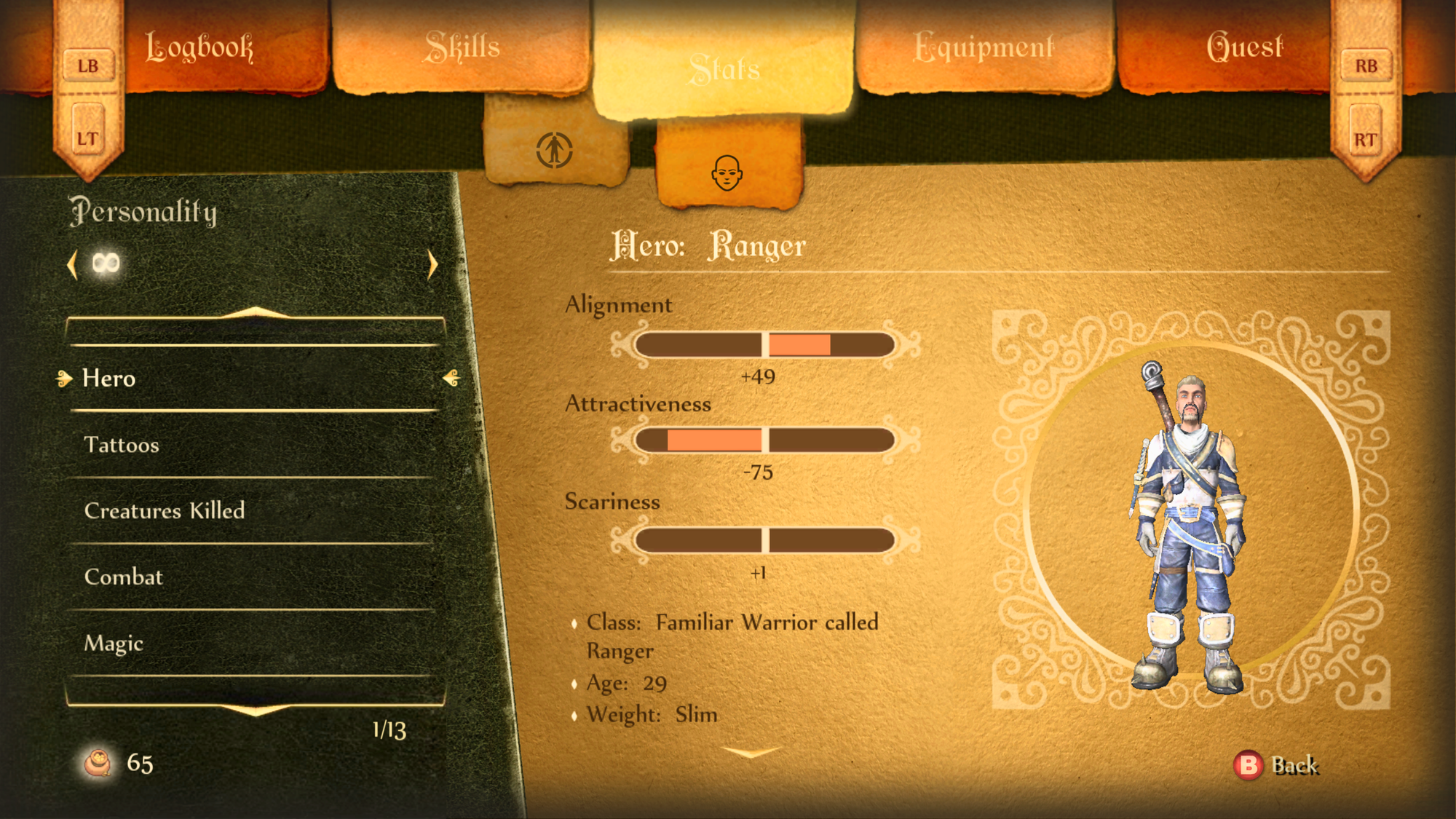
Imagine a version of Fable where the hero’s scars glow with power instead of shame, where fatness signals abundance rather than sin, where beauty and virtue aren’t twins but distant cousins who sometimes cross paths. In therapy, reclaiming the “ugly” body means separating worth from appearance, naming beauty as subjective, cultural, and fluid, and recognizing that the body isn’t a billboard for morality; it’s a record of living.
People who learn to see their bodies as morally neutral may begin to treat themselves differently. Compassion replaces judgment. Curiosity replaces control. The goal moves from fixing the body to listening to it.
In games, this can even become a practice of reclamation. Playing as a character the game deems “unattractive” without trying to correct it can become a quiet act of defiance. The player can notice how the world responds, how those reactions feel, and what it means to continue anyway. They can then rewrite the story of Albion–or their own life–so that goodness is measured in kindness, not aesthetics.
Beyond Albion
Fable may be the clearest example, but it isn’t the only one. From Mass Effect to The Witcher 3, scars and deformity often symbolize moral decay, while beauty signals purity or destiny. Even in modern RPGs, body diversity remains rare, and when it appears, it’s often coded as comic relief or tragedy.
Therapy can turn these tropes into teachable moments. They invite discussion about representation, self-concept, and cultural bias. They ask us to imagine new worlds where heroism isn’t a synonym for symmetry.