When Goodbye Isn't a Betrayal: Practicing Boundaries in the Valley

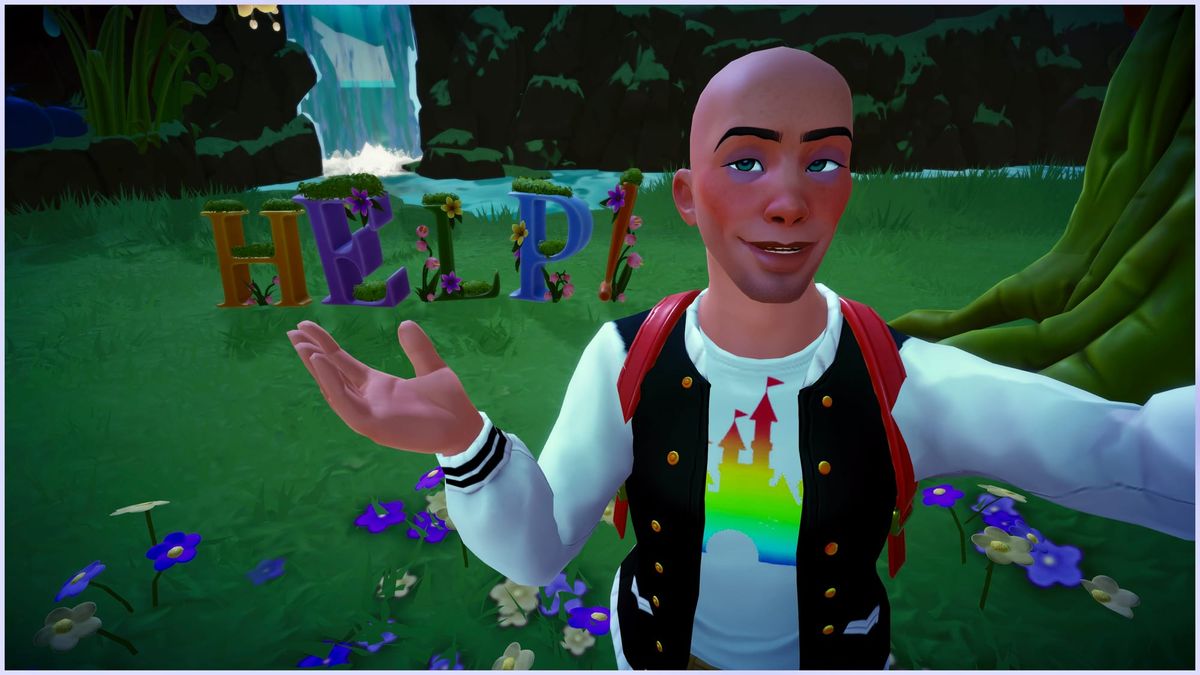
This piece is part of a series exploring how Disney Dreamlight Valley can support inner child work and emotional growth.
There's a small moment in Disney Dreamlight Valley that many players barely notice. You've been hanging out with a character, mining ore, pulling weeds, or fishing by the river together. You're ready to stop. So you open the menu, select "Stop Hanging Out," and brace yourself for... nothing.
The character waves. They smile. "That was fun!" they say, or "Let's do this again sometime!" They walk off to continue their day, and the next time you see them, they greet you with the same warmth as always.
No guilt trip. No wounded silence. No "Oh... okay, I guess." No subtle punishment disguised as understanding.
For many players, this feels unremarkable. For others, it lands like a small revelation.
What Leaving Used to Mean
Some people grow up learning that their presence isn't a gift but an obligation. Ending an interaction, even a casual one, becomes fraught with invisible negotiations. Will they be hurt? Will they withdraw? Will there be a cost later, even if they smile now?
Attachment researchers would recognize this pattern. When early caregivers responded to a child's natural movements toward independence with withdrawal, disappointment, or punishment, that child learned something about how relationships work: closeness requires constant vigilance. Separation, even healthy separation, threatens the bond itself. What attachment theorists call "anxious attachment" often carries this signature—a deep, body-level conviction that love is contingent on availability, and that your needs for space are inherently selfish.
In these environments, boundaries don't feel like healthy self-care. They feel like acts of abandonment. The message gets internalized early: good people stay. Leaving means you don't care enough. Your needs come second to other people's comfort, and if you forget that, you'll be reminded.
This training doesn't announce itself. It hides in the body as a flinch before saying, "I should go." It shows up as over-explaining, apologizing, and manufacturing excuses so the other person doesn't have to feel rejected. It looks like staying thirty minutes longer than you wanted because the alternative felt cruel.
By adulthood, many people have forgotten that "I'm done for now" is a complete sentence. They've never seen it modeled without consequence.
What the Valley Offers Instead
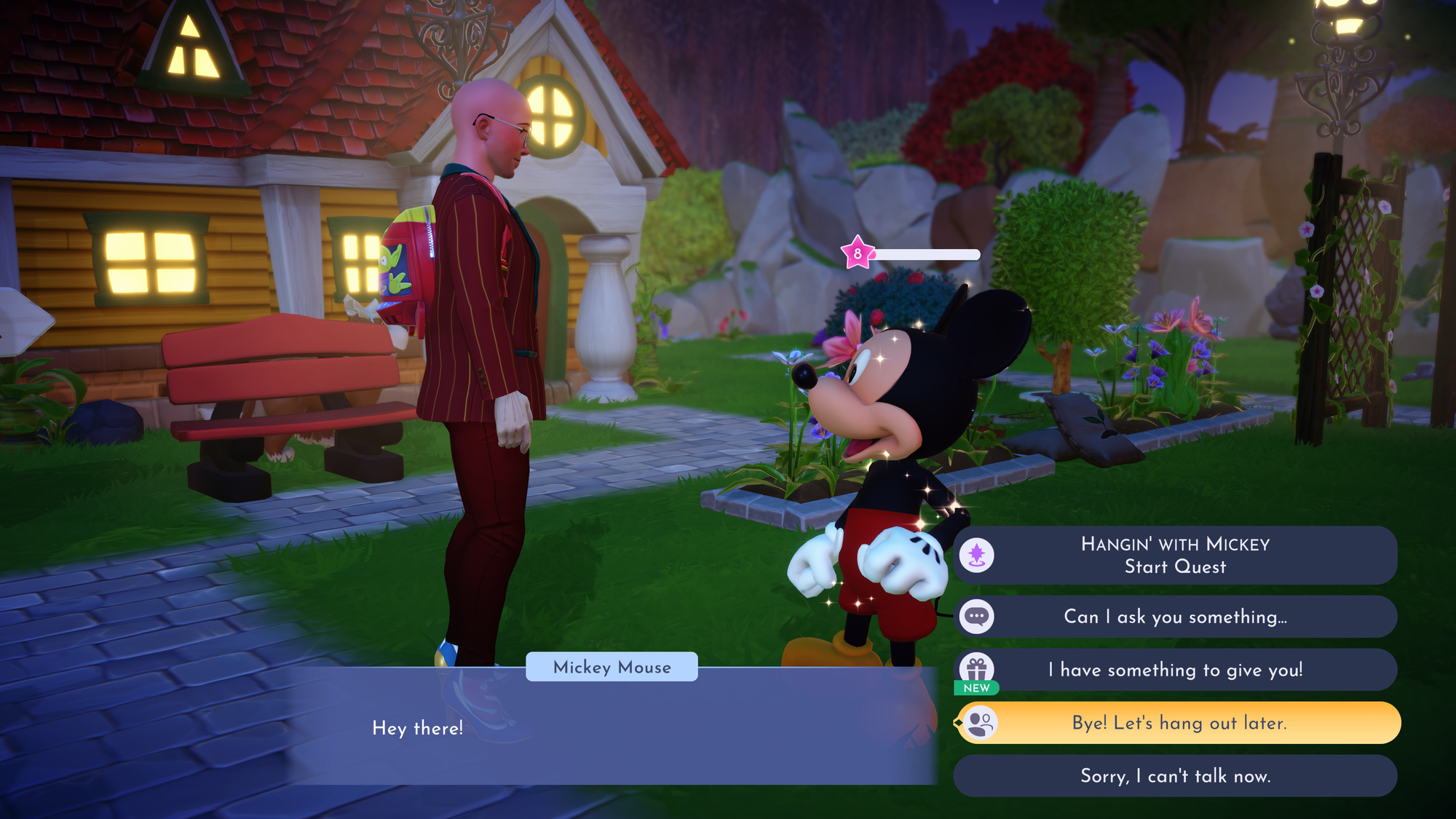
Dreamlight Valley does something important. It separates affection from duration.
The characters like you. They enjoy spending time with you. And when you leave, they're still fine. Their happiness isn't contingent on your endless availability. They have their own lives, their own routines, their own sense of self that doesn't collapse when you walk away.
This is what secure attachment actually looks like in practice. Connection without enmeshment. Warmth without obligation. Presence that's valued precisely because it's freely given. Attachment researchers describe this quality as a "secure base"—the confidence that a relationship can tolerate separation because the bond itself is stable.
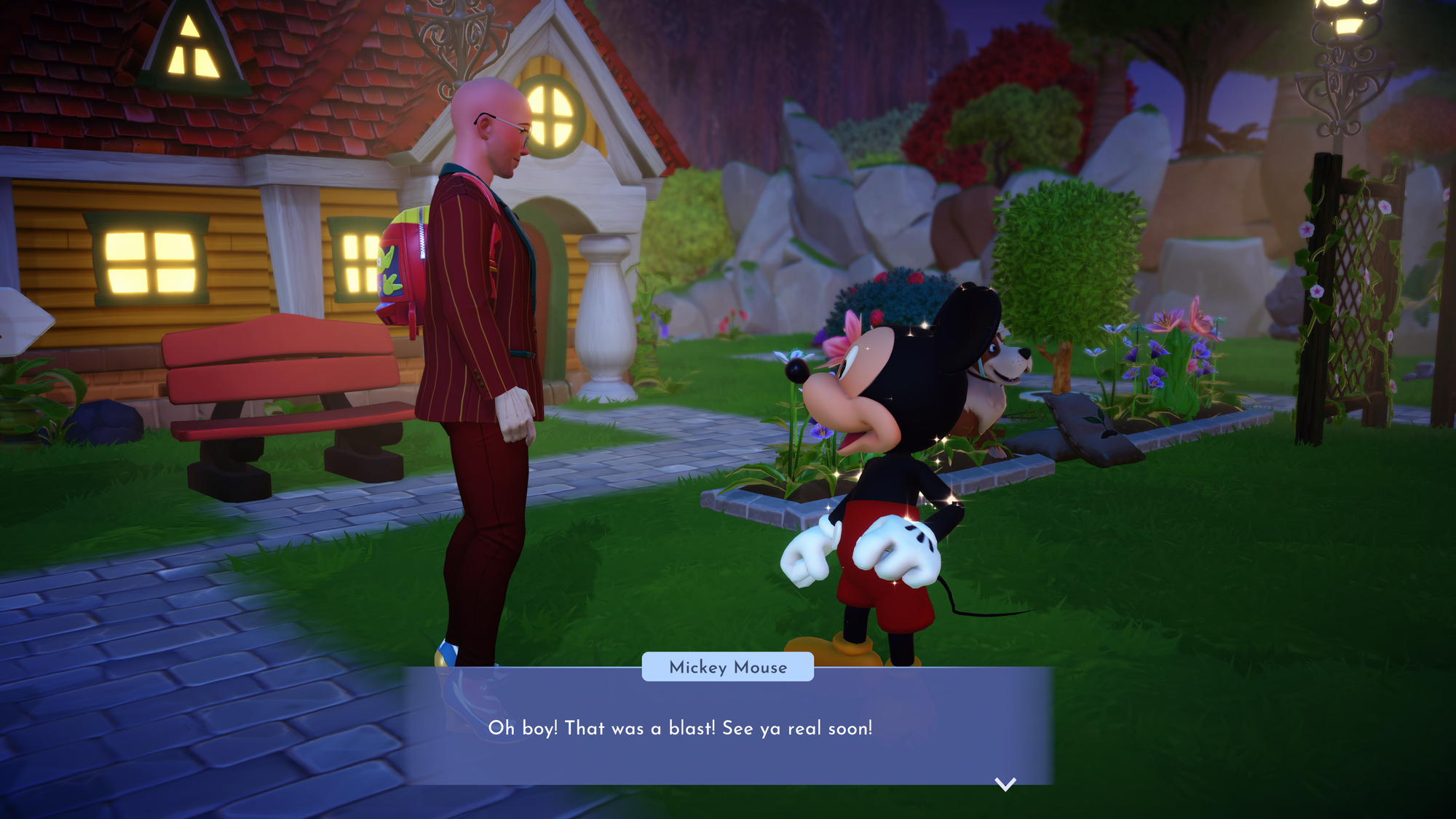
When Moana says "That was great!" as you part ways, she's modeling something many people never experienced growing up: the idea that someone can genuinely enjoy your company and also be completely okay when it ends. That you're not responsible for filling a void in them. That your leaving isn't evidence of your failure to love correctly.
The Nervous System Learns Through Repetition
One hangout won't undo years of guilt conditioning. But a hundred might start to loosen it.
Stephen Porges' polyvagal theory offers one way of understanding why this repetition matters. Our nervous systems are constantly scanning for cues of safety and danger in our relational environment—a process Porges calls "neuroception." When past relationships have taught us that boundaries trigger disconnection, the nervous system learns to flag boundary-setting as a threat. The body mobilizes a stress response before the conscious mind even registers what's happening. That flinch before saying "I need to go" isn't a character flaw. It's a nervous system doing exactly what it learned to do.
But neuroception isn't fixed. It updates based on new experiences. Every time you end an interaction in the Valley and nothing bad happens, your nervous system takes a small note. The expected punishment doesn't arrive. The relationship remains intact. You were allowed to leave, and the world kept turning.
This is how emotional learning actually works—what some clinicians call a "corrective emotional experience." Not through insight alone, but through repeated encounters that contradict old expectations. The body has to feel the new pattern enough times to start believing it. Knowing intellectually that boundaries are healthy doesn't reach the nervous system. Experiencing boundaries as safe does.
Dreamlight Valley becomes a behavioral rehearsal space. Play therapy research has long recognized the value of low-stakes practice environments where new relational patterns can be explored without real-world consequences. The Valley offers exactly this: high repetition, consistent safety, and characters whose responses stay within what Dan Siegel might call the "window of tolerance"—regulated, warm, and predictable. You practice the mechanics of "enough for now" until they stop activating your threat response. You build a new template for what goodbye can look like.
Boundaries as Connection, Not Rejection
The word "boundaries" often gets tangled up with walls, coldness, and pushing people away. But healthy boundaries are actually what make real intimacy possible. They say: I can be close to you because I trust myself to leave when I need to. I can give freely because I'm not trapped.
In the Valley, boundaries are built into the design. You choose when to engage. You choose when to stop. No one monitors your availability or keeps score of your attention. The relationships flourish not despite this freedom but because of it.
This reframes what boundaries are for. They aren't about rejection. They're about sustainability. They protect connection by preventing resentment, exhaustion, and the slow corrosion that happens when presence becomes performance.
From an Internal Family Systems perspective, you might think of boundary-setting as caring for the parts of you that learned to override their own needs to maintain connection. Those parts developed for good reasons—they kept you safe in relationships where autonomy was punished. But they may no longer serve you. Practicing boundaries in a space where nothing goes wrong lets those protective parts witness a new possibility: that you can honor your own limits and stay loved.
Reflection Prompts
If this resonates, consider sitting with a few questions:
Who in your life responds like a Dreamlight character when you set a boundary? Who greets your "I need to go" with warmth instead of withdrawal?
Who doesn't? What does that tell you about the relational pattern, rather than about your worth?
What would it feel like if every goodbye was met with "That was fun"? Not performed politeness, but genuine contentment with what was shared?
When you end a hangout in the Valley, what do you notice in your body? Relief? Guilt? Nothing at all? The answer might tell you something about what your nervous system learned to expect.
The Practice
Next time you play, try this: hang out with a character for just a few minutes. Then stop. Not because you're busy or need to do something else, but simply because you're done for now.
Watch what happens. Watch what doesn't happen.
Notice if your body braces for impact. Notice if it relaxes when the character simply waves and walks away. You're giving your nervous system new data. You're letting it learn that boundaries and belonging can coexist.
Let it be enough.