Who You Become: Identity and Moral Agency in Fable

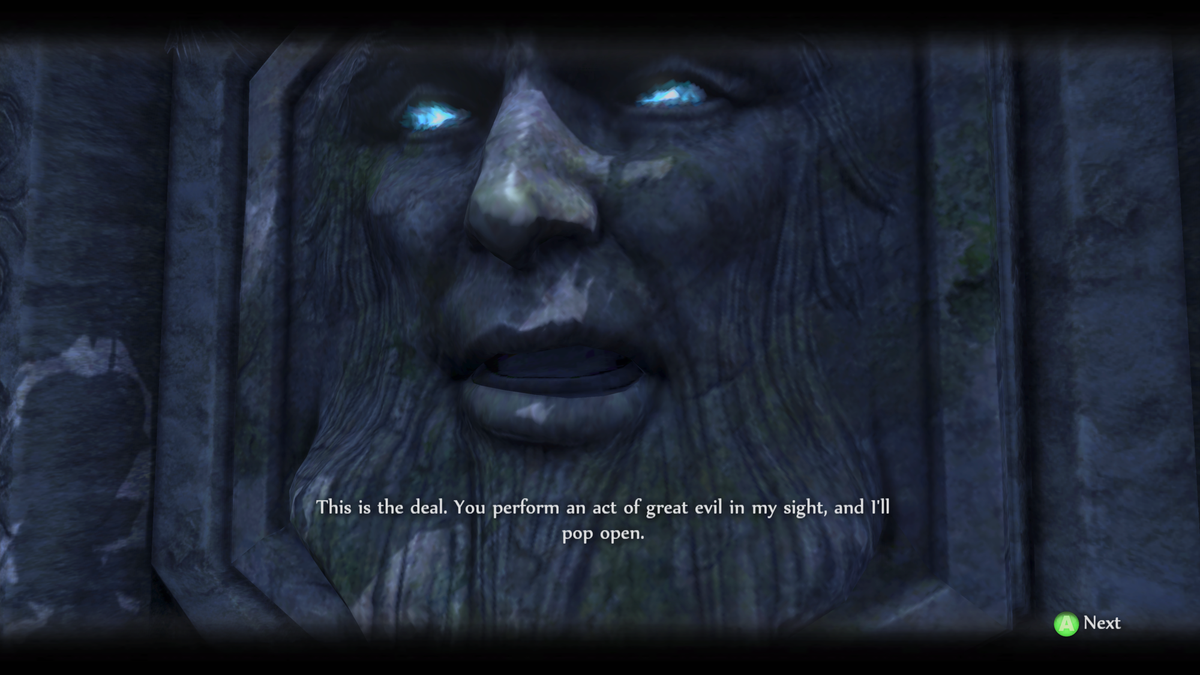
When Fable opens, you’re a child wandering the village streets of Oakvale with a few coins and a single moral directive: do good deeds and your father will reward you with a birthday present. Before the sword, before the spells, before destiny, there’s a test of conscience: help the townsfolk, or steal and lie your way through errands.
The choices seem simple. But they’re already shaping something larger: how you think of yourself.
That’s Fable’s trick. It doesn’t tell you who you are. It waits for you to decide.
When Fable was first released in 2004, it presented players with a new premise: a world that would remember your choices and respond accordingly. You could be a noble hero, a feared villain, or something in between, and the land of Albion would respond accordingly. What began as an action RPG became, for many players, a study in morality, consequence, and who our choices make us.
The World That Watches
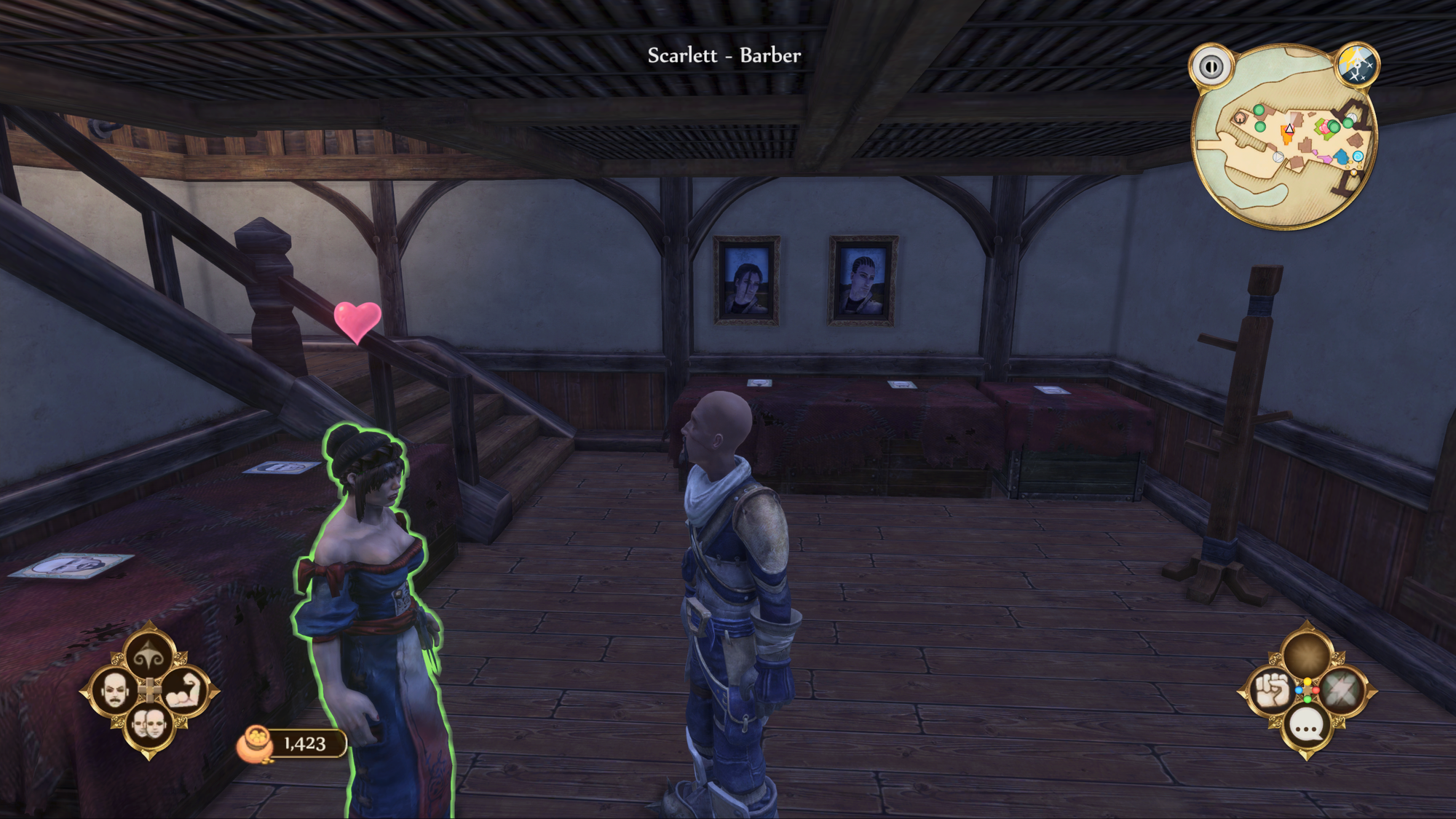
Albion is a world that never stops watching. You can hear your reputation in the whispers that follow you through Bowerstone’s marketplace. “It’s him!” someone gasps, clutching their basket. Or, just as easily, “Murderer.”
Even your body tattles on you. Good deeds soften your face; cruelty hollows your eyes and curls your spine. A halo hums faintly when you walk through sunlight. Horns glisten when you don’t. Chickens scatter differently depending on the tone of your aura.
This is morality made tactile, and for players it’s an extraordinary feedback loop. You act, the world responds, and suddenly you can see the shape of your choices. Therapy often works the same way, just slower. It helps people notice the ripples their actions leave in relationships, habits, and self-perception.
Narrative Therapy would call this an externalization of story. The player becomes both author and observer of the tale. In Fable, that process is literal: you write your legend one act at a time, and the game writes it back onto you.
Freedom, Responsibility, and the Weight of Choice
Freedom in Fable feels intoxicating at first. You can flirt, steal, fight guards and bandits, eat pies, or donate every coin you earn to the temple. The world never says “no,” but it never lets you off the hook either.
Existential Therapy speaks of “responsibility anxiety,” the unease that comes when we realize no one else is steering. Fable captures that perfectly. Every decision echoes somewhere: the price of goods changes, lovers leave, villagers bow or boo. Even refusing a quest changes the timeline.
That constant mirroring can spark reflection in players who are used to seeing their real-world actions disappear into abstraction. What happens when you can’t hide behind the thought it doesn’t matter? What does it feel like when every small cruelty has an audience?
For trauma survivors, that kind of accountability can feel heavy, but it can also restore agency. Many people arrive in therapy after experiences that stripped away control. In Albion, control is constant and visible. You can undo, repair, and choose again. That visibility can help rebuild trust in one’s own capacity to act and to change the outcome next time.
The Binary and the Blur
Of course, Fable’s moral system is famously absurd. Rescue a puppy, your halo gleams. Kick a chicken, your skin grays and villagers scream. The scale is wildly exaggerated, and yet it exposes something important: our craving for certainty.
Players often find themselves chasing purity or reveling in villainy because the middle ground feels unsatisfying. “Neutral” doesn’t sparkle. That mirrors a common cognitive distortion in real life: if I’m not perfect, I’m terrible.
CBT invites people to question that binary and Fable offers an experiment. How does it feel to be slightly wicked but mostly kind? What happens when you take an action you regret and try to earn forgiveness? The villagers’ reactions–sometimes unfair, sometimes forgiving–become a microcosm for how shame and redemption operate socially.
Even the economy teaches this lesson. Donate at the Temple of Avo and your renown rises; sacrifice innocents at the Chapel of Skorm and your power grows faster. “Evil” quests have a bigger payout, but can you stomach the fallout? The game exaggerates the moral transaction, forcing you to confront how often real-world morality is also tied to reward, reputation, or belonging.
The Voice of the Crowd
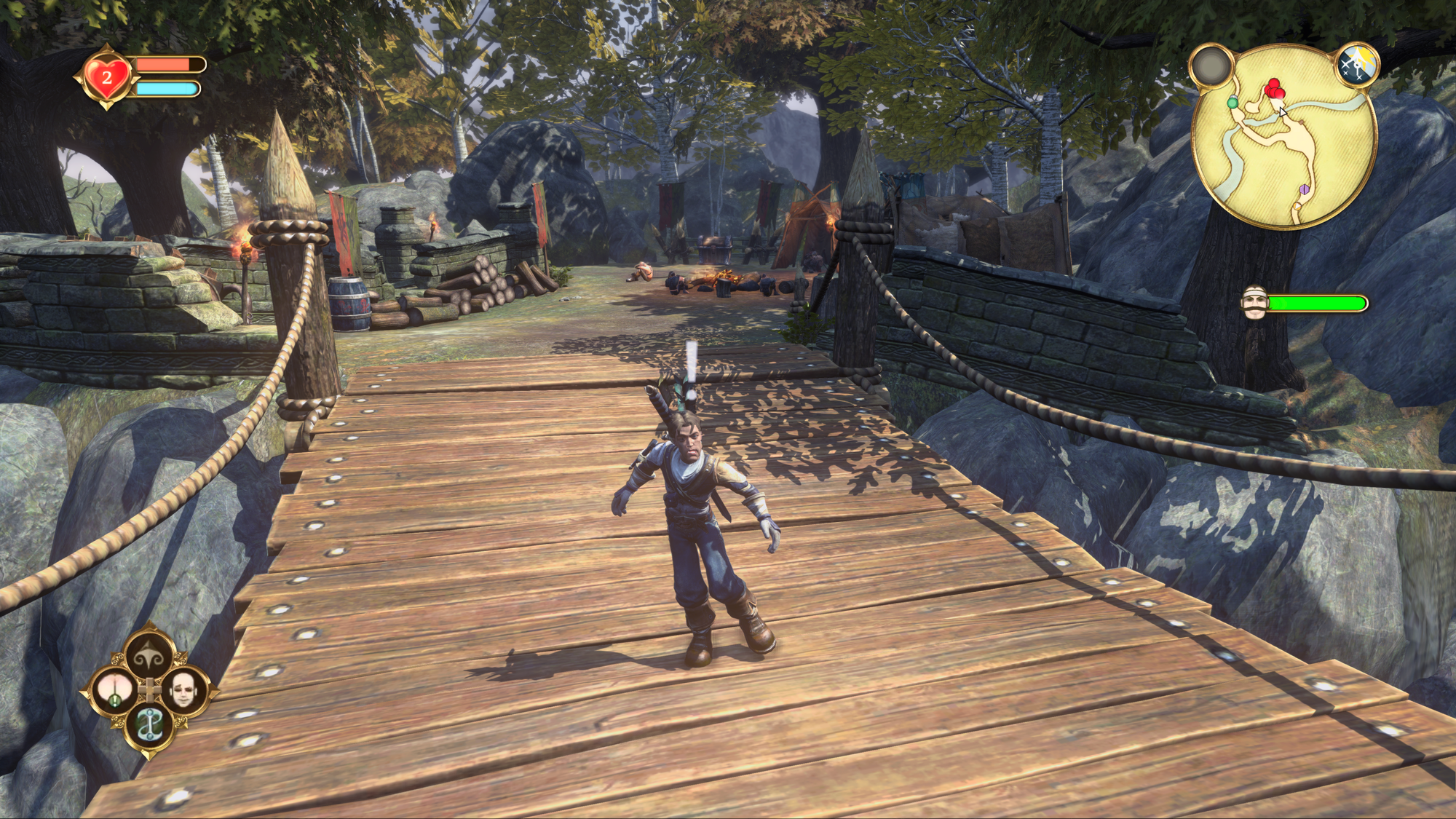
One of Fable’s most haunting details is the sound design. As your reputation shifts, so does the chorus of the crowd. It’s never quiet in Albion. You hear clapping, laughter, mockery. Children imitate you. Lovers swoon or flee.
That chorus can feel intoxicating or suffocating, and both reactions are instructive. It becomes a metaphor for the “social audience” that shapes identity. Who am I when others approve? Who am I when they don’t?
Those in-game moments can be pivotal in exploring social validation, internalized criticism, or the fear of rejection. The crowd’s voice can stand in for the superego, the family system, or the ever-scrolling social media feed. Fable makes that noise audible so players can finally notice it.
Masks, Morality, and Shame
Players often talk about the shock of seeing their avatar’s face change over time in the game. The transformation creeps up: slightly sharper features, a glow around the hands, a demonic tint to the eyes. Then the camera pans in, and it’s startling–this is what you’ve become.
That flinch is gold in therapy. It’s the moment of self-recognition, when the external matches an internal truth we haven’t yet admitted.
In many ways, Fable allows shame to surface safely. It turns internal judgment into a visual, external symbol. You can see the consequences without being consumed by them. And because the system is reversible–good deeds can balance evil, kindness can soften the face again–it models self-forgiveness.
People struggling with shame can practice repair in this absurd, contained world. You can start over. The villagers might still mutter, but tomorrow’s quests bring new chances to prove who you are.
When the Mirror is Biased
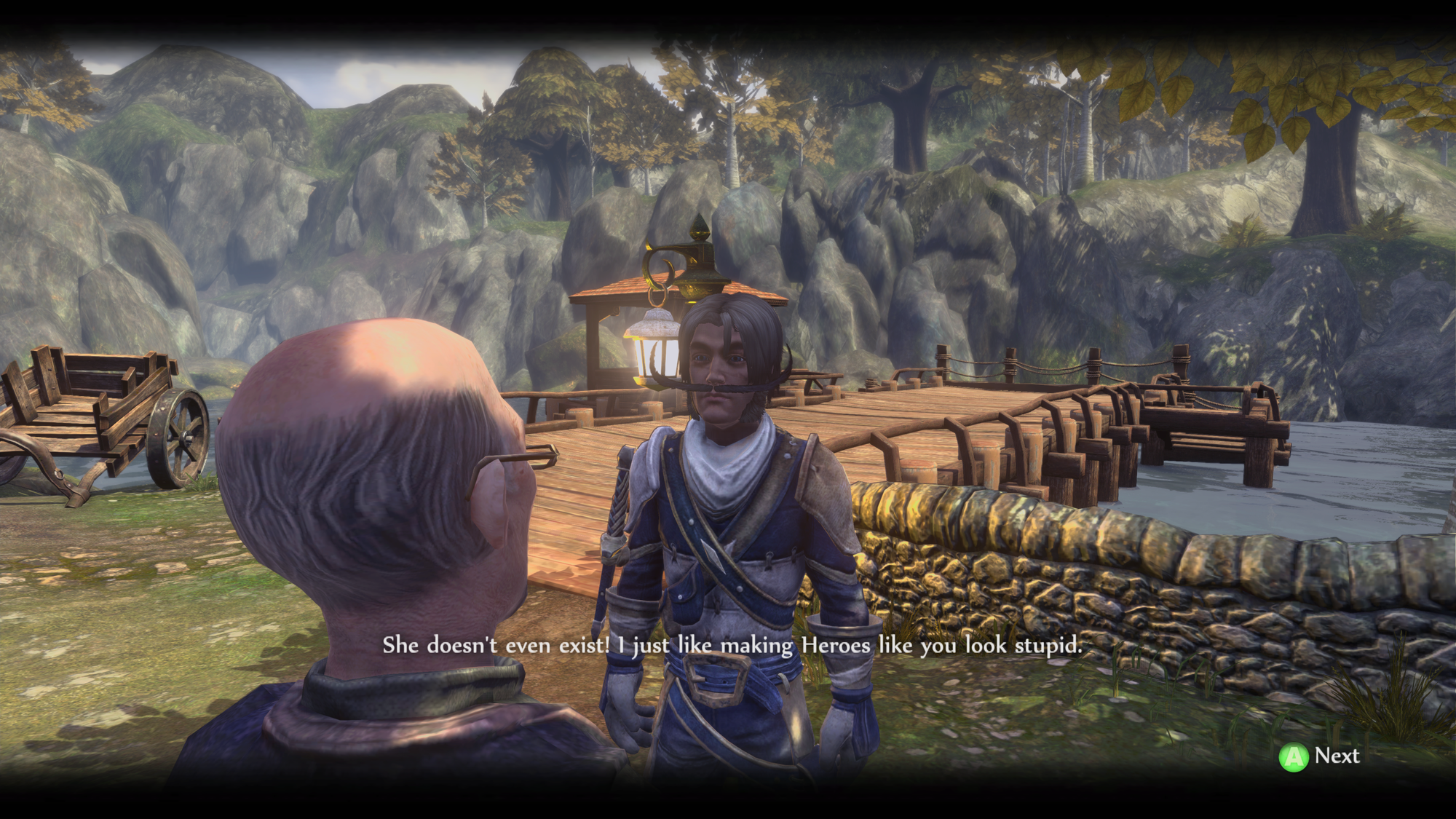
Still, Fable’s morality system carries assumptions that deserve to be named. The game often equates beauty, thinness, and unscarred skin with goodness, while treating fatness and physical scars as visual shorthand for corruption or excess. It’s an aesthetic moral code drawn from old fairy tales and fantasy archetypes: purity glows, sin disfigures.
For players who have lived with body shame, disability, or appearance-related trauma, that framing can sting. The game’s logic suggests that goodness must look a certain way and that moral worth can be read on the body. Therapy invites us to unlearn that.
These design choices become valuable entry points for critical reflection. How does it feel when your hero grows heavier or loses hair as a “punishment” for gluttony or immoral behavior? What emotions surface when the game rewards thinness or symmetry with praise? In Cognitive-Behavioral terms, those moments can reveal internalized beliefs about worth and appearance–beliefs absorbed not from the player’s choices but from the culture that shaped them.
Narrative Therapy offers another lens: the chance to re-write the meaning of those traits. A scar doesn’t have to symbolize moral decay. Fatness doesn’t need to represent indulgence. Baldness doesn’t erase power or beauty. The player can claim those features as symbols of survival, wisdom, or authenticity instead.
It can be powerful to invite people to talk back to the game’s assumptions. “What if the hero’s scars were signs of resilience instead of corruption? What if the villagers’ reactions said more about their prejudice than your character’s worth?” Reframing these visuals helps people confront not only Fable’s biases, but the ones that echo through real-world systems of beauty, morality, and belonging.
Rewriting the Story
Narrative Therapy often ends with a question: What story do you want to live next?
In Fable, that question has a literal interface. You can choose new clothes, new spells, and new allegiances. You can return to Oakvale as the child who lost everything or as the hero who rebuilt it. Each playthrough becomes a rehearsal for self-authorship.
That’s where meaning takes shape. The game becomes a reflective surface for agency, the sense that “I can shape what happens next.” Within that agency is hope, and within hope is healing.
Albion may exaggerate its morality for laughs, but beneath the halos and horns lies a quiet lesson: identity is not what we declare, but what we repeatedly choose. The world reacts, we react back, and through that exchange something solid forms–a self, visible at last.
In therapy, that same process unfolds in slower motion. Every new choice, every act of reflection, reshapes the story of who we are. Like the hero of Fable, we become not through perfection, but through participation. We become by choosing again.